
Beautiful Plants For Your Interior
Beautiful Plants For Your Interior
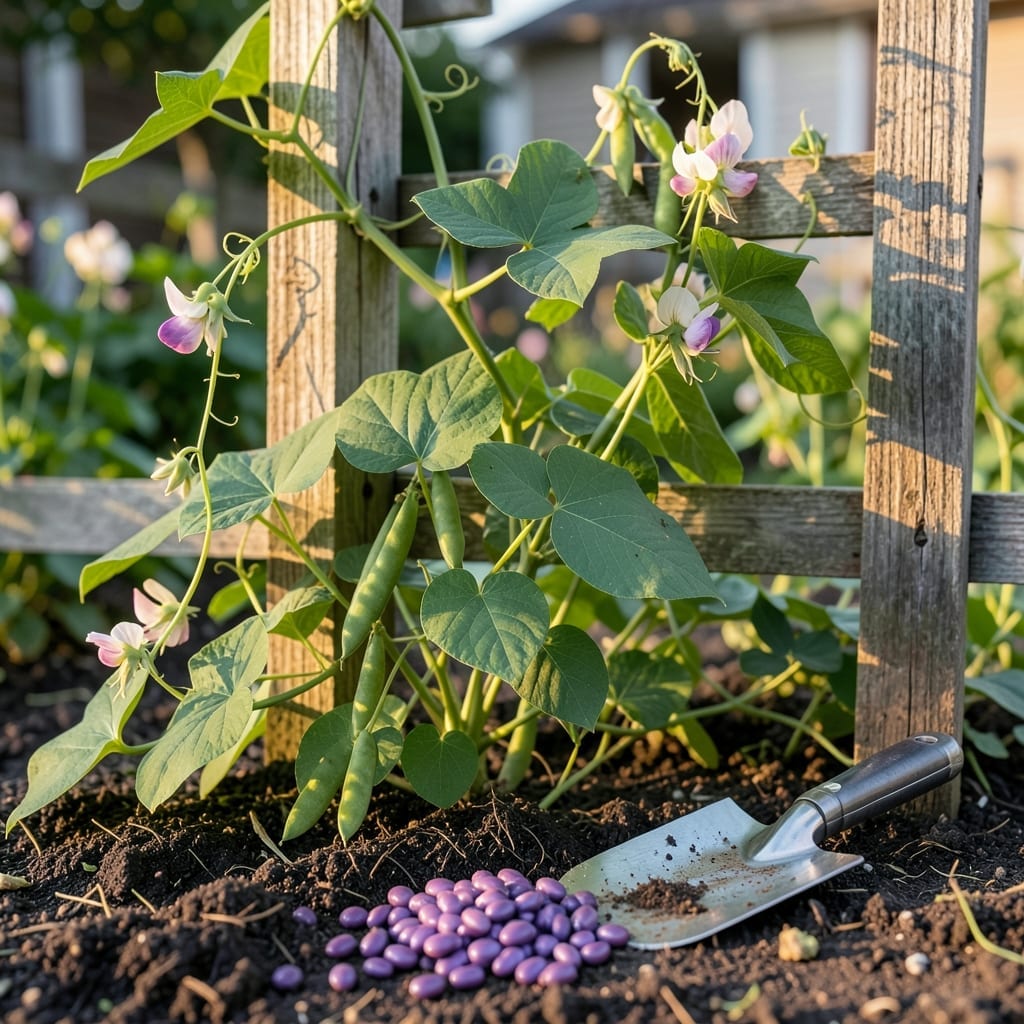
Timing is everything when growing Purple Hull Peas 🌱 in Alabama’s Zone 8a climate. Plant too early, and a late frost could ruin your crop. Wait too long, and the summer heat might stunt their growth.
Getting the timing right means the difference between a bountiful harvest and disappointment. These peas thrive when the soil is warm and the days are long enough to support their growth cycle.
I’ve learned through experience that April through June offers the sweet spot for planting in Alabama. This window avoids the worst of the cold snaps while giving your peas time to mature before the peak summer heat.
Discover how to align your planting schedule with Alabama’s unique seasonal patterns. The right timing will set you up for a successful harvest of these delicious, nutritious peas.
In Alabama’s Zone 8, timing your purple hull peas planting is critical for a strong harvest. The optimal window spans from mid-April to early June, when soil temperatures consistently reach 70°F or higher. 🌱
Planting too early risks exposure to late frosts, which can damage tender seedlings. Conversely, waiting too long means your peas may struggle in Alabama’s intense summer heat. Aim for soil temps above 60°F as a minimum threshold. ☀️
| Requirement | Specification |
|---|---|
| Best Months | April to June |
| Soil Temp | 70°F+ (minimum 60°F) |
| Frost Risk | Last frost ~March 15 |
| Sun Needs | Full sun (6+ hours) |
| Northern AL | Plant late April |
| Southern AL | Plant early April |
I’ve found that northern Alabama gardeners should plant closer to late April, while southern regions can start as early as mid-March if the soil is warm enough. Always check a soil thermometer before sowing. 🌡️
For the best results, plant your purple hull peas in well-draining soil with a pH between 6.0 and 6.8. These peas thrive in loamy soil enriched with organic matter like compost or aged manure.
Spacing matters too—sow seeds 1 to 1.5 inches deep and 2 to 4 inches apart in rows that are 24 to 36 inches apart. This gives each plant enough room to grow without competing for nutrients. 🌿
If you’re using raised beds, you can plant a bit earlier since the soil warms faster. Just ensure the beds are at least 6 inches deep to accommodate root growth. I’ve had success with succession planting every 2 weeks for a continuous harvest.
Watch for pest pressures like cowpea weevils and aphids, which are common in Alabama. Using row covers early on can help protect young plants until they’re established.
Finally, remember that consistent moisture is key, especially during flowering and pod formation. Water deeply once a week, or more often if rainfall is scarce. Avoid overhead watering to reduce disease risk. 💧
By following these Zone 8 guidelines, you’ll set your purple hull peas up for a productive season with a bountiful harvest from July to August. Happy planting! 🪴
Preparing your soil properly is the foundation for healthy purple hull peas. I always start by testing my soil’s pH level, aiming for a range between 6.0 and 6.8. This ensures the plants can absorb nutrients efficiently. 🌱
For best results, work in plenty of organic matter like compost or aged manure. This improves soil drainage and fertility, which is especially important in Alabama’s clay-heavy soils. Loamy soil is ideal for these peas.
Inoculating your seeds with rhizobium bacteria can significantly boost growth. This helps the peas form a symbiotic relationship with soil microbes, improving nitrogen uptake. I’ve seen noticeable differences in plant vigor with this step. ☀️
Planting depth matters too. Sow your seeds 1 to 1.5 inches deep and space them 2 to 4 inches apart in rows that are 24 to 36 inches apart. This gives each plant room to grow without competing for resources.
If you’re using raised beds, you can plant a bit earlier since the soil warms faster. Just ensure the beds are at least 6 inches deep to accommodate root growth. I’ve had great success with this method in my own garden. 🌿
Finally, keep the soil consistently moist but not waterlogged. These peas need about 1 inch of water per week, especially during flowering and pod formation. Mulching can help retain moisture and suppress weeds. 💧