
Beautiful Plants For Your Interior
Beautiful Plants For Your Interior
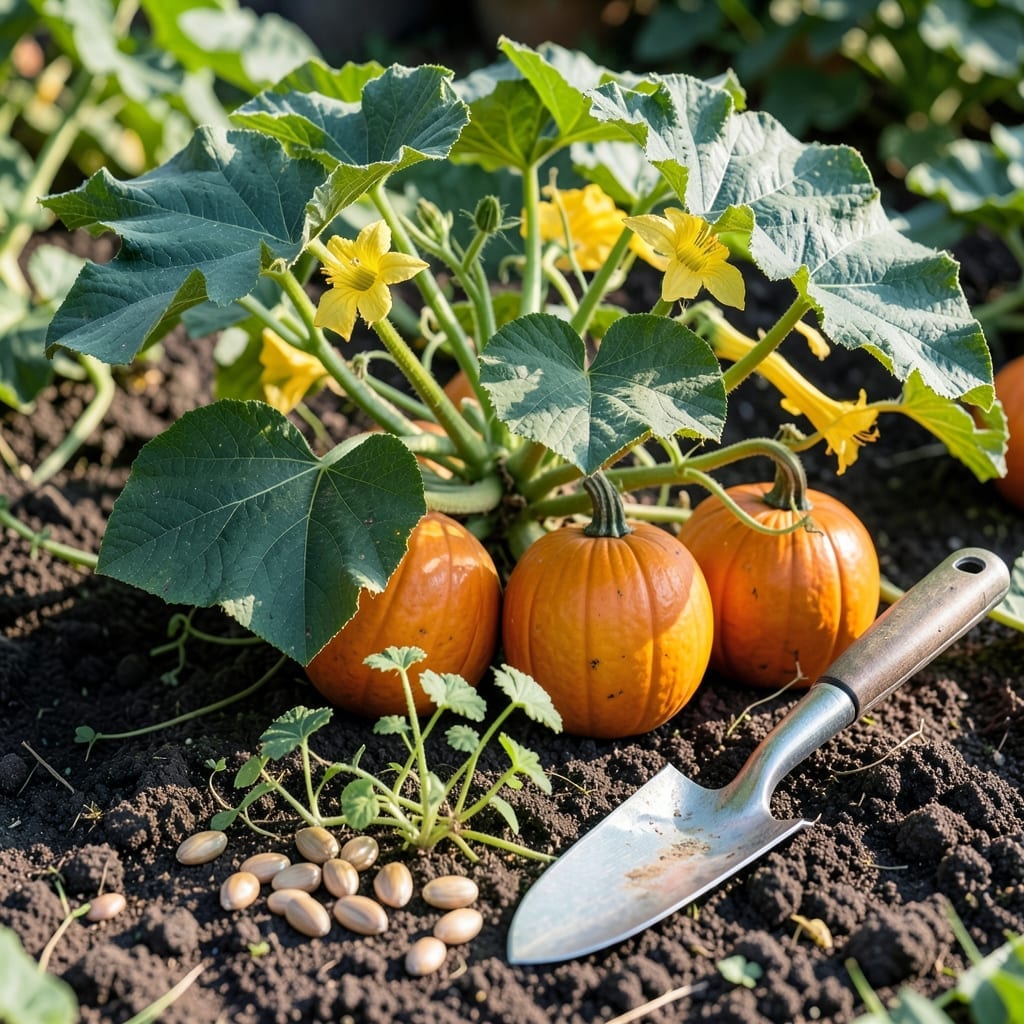
Timing is everything when growing 🎃 Pumpkin in Virginia. Plant too early, and frost can wipe out your seedlings before they even get started.
Plant too late, and you might end up with small, underdeveloped pumpkins just as the first fall frost hits. In Zone 7a, getting the timing right means the difference between a bountiful harvest and a disappointing season.
I’ve learned through trial and error that Virginia’s climate demands precision. The window is tighter than you might think, and missing it by even a week can throw off your entire growing season.
Let me walk you through exactly when to get those seeds in the ground for the best results. You’ll discover how to work with Virginia’s unique growing conditions to your advantage.
In Virginia, the ideal time to plant pumpkins varies by region due to our state’s diverse USDA zones. We’re looking at 6a to 8a, which means frost dates and soil warmth differ significantly. I always check my local last frost date before getting started.
The soil temperature must reach at least 70°F for pumpkin seeds to germinate properly. In most of Virginia, this occurs in mid-May, but coastal areas may warm up earlier. Western regions with higher elevations might need to wait until early June.
| Region | Planting Window | Last Frost Date | Variety Suggestion |
|---|---|---|---|
| Eastern VA | April 20 – May 10 | April 10-15 | Early varieties |
| Central VA | May 1 – May 20 | April 15-20 | Mid-season |
| Western VA | May 15 – June 1 | April 25-30 | Late varieties |
For early pumpkins, I recommend starting seeds indoors 2-3 weeks before your last frost date. This gives them a head start, especially in cooler zones. Just
The coastal areas of Virginia benefit from milder winters and earlier springs. Here, you can often plant as early as late April if the soil has warmed sufficiently. I’ve had great success with ‘Howden’ and ‘Gladiator’ varieties in these regions.
In the Piedmont region, which includes cities like Richmond and Charlottesville, mid-May is typically the sweet spot. The soil warms up nicely by then, and the risk of frost has passed. ‘Jack-O’-Lantern’ and ‘Cinderella’ do particularly well here.
For the mountainous western areas, including the Blue Ridge and Appalachians, it’s best to wait until late May. The higher elevation means cooler temperatures and later frosts. ‘Jarrahdale’ and ‘Long Island Cheese’ are excellent choices for these conditions.
Remember that pumpkin varieties have different maturity times. Early varieties like ‘Early Giant’ take about 75 days, while larger types can need 100-120 days. Always check the seed packet for specific information.
I always use black plastic mulch to help warm the soil faster in spring. This can give you a 1-2 week head start on planting. Just be sure to remove it once the plants are established to prevent overheating.
Another tip: row covers can protect young plants from unexpected late frosts. I keep them handy just in case the weather forecast changes. It’s better to be prepared than to lose your crop to a surprise cold snap.
Finally, don’t forget that Virginia’s growing season is generally long enough for most pumpkin varieties. With proper timing and care, you should have a bountiful harvest just in time for fall decorations and pies.
☀️🌱Getting the timing right for pumpkin planting in Virginia isn’t just about picking a date on the calendar. I’ve found that several key factors come into play to ensure your pumpkins thrive in our state’s unique climate conditions.
First, you’ll need to consider your last frost date, which varies across Virginia’s USDA zones. Then there’s soil temperature—pumpkins need it to be at least 60°F to germinate properly.
I always check the maturity days for my chosen pumpkin variety. Early varieties like Small Sugar need about 85 days, while giant pumpkins can require 120 days or more. This affects when you should plant to ensure harvest before the first frost.
Virginia’s weather patterns can be unpredictable, so I recommend checking the 10-day forecast before planting. A late cold snap can set back young seedlings, while unexpected heat waves can stress new plants.
Many gardeners swear by lunar planting. I’ve had good results planting during the waxing moon, which is said to encourage above-ground growth. While not scientific, it’s a tradition worth considering.
Finally, consider your microclimate. Urban areas, slopes, and proximity to water can all affect local conditions. I’ve found that my garden near Richmond often warms up a week earlier than the general Zone 7a recommendations.