
Beautiful Plants For Your Interior
Beautiful Plants For Your Interior
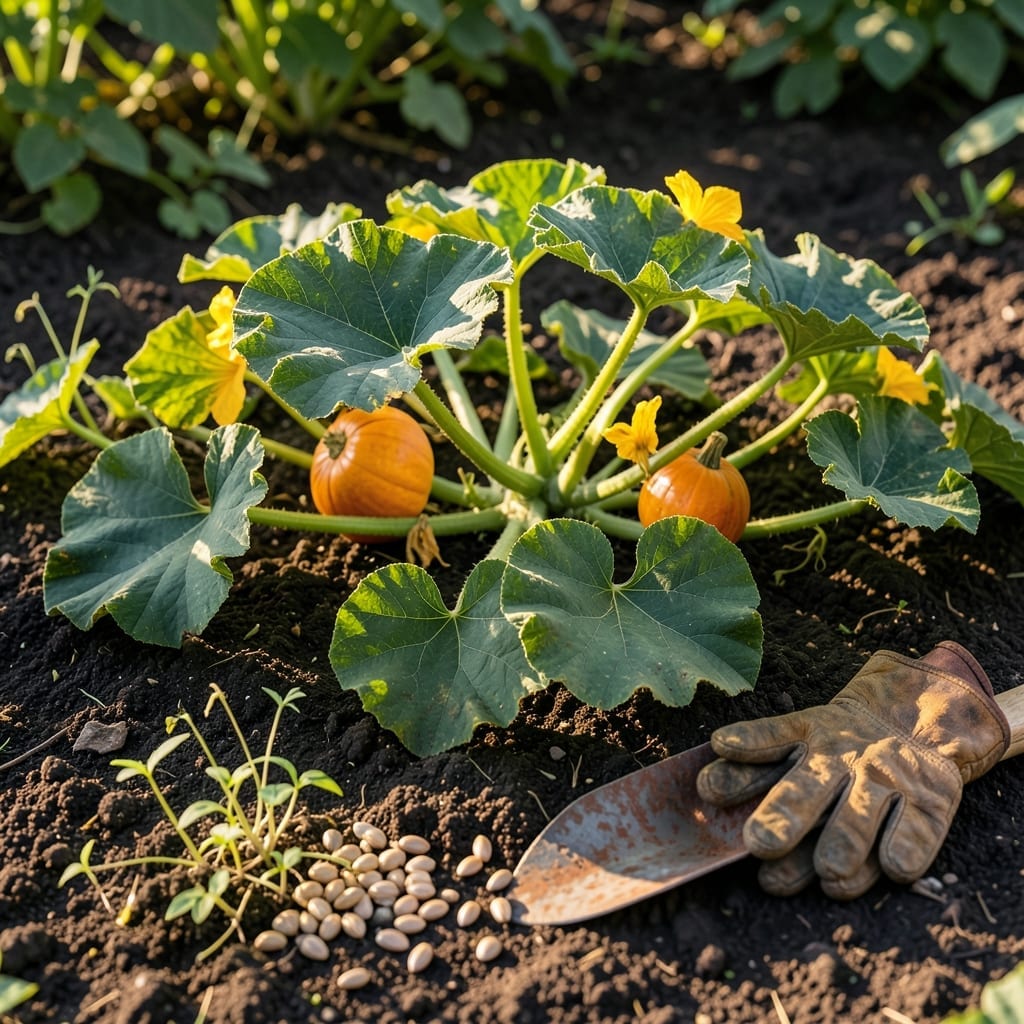
Timing is everything when growing 🎃 Pumpkin in Upstate New York’s Zone 5b climate. One misstep with your planting schedule can mean the difference between a bountiful harvest and a disappointing season.
Our region’s late frosts and short growing windows demand precision. Plant too early, and cold soil will stunt your vines before they even get started.
Wait too long, and that first autumn frost will strike before your pumpkins reach maturity. It’s a delicate balance that separates successful gardeners from the rest.
Discover the most important factors for nailing your planting window and setting your Pumpkin patch up for success from the very beginning.
In Upstate NY’s Zone 5, timing your pumpkin planting is crucial for a successful harvest. The last frost date is typically around May 15, but soil temperature matters more than air temperature for these warm-season crops.
Pumpkins need soil temps of 70°F+ to germinate properly, which usually means waiting until late May or early June. Planting too early in cold soil can cause seeds to rot or stall growth.
| Planting Window | Key Details |
| Late May – Early June | Optimal time for most varieties |
| Early June – Mid-June | Safe for giant pumpkins needing longer seasons |
| Mid-May | Possible with black plastic mulch to warm soil |
| Soil Temp Requirement | 70°F minimum for germination |
| Frost-Free Days Needed | 90-120 days for full maturity |
For jack-o’-lantern types, aim to plant around May 25-June 5. These typically need 90-100 days to mature, giving them enough time before the first fall frost around October 15.
Giant pumpkin varieties require 120-130 days, so I recommend planting by June 1 at the latest. These massive plants need every bit of our 150-day growing season to reach their full potential.
If you’re eager to start earlier, use black plastic mulch to warm the soil. This can give you a 1-2 week head start while protecting seeds from cold nights. Just be sure to remove it once seedlings emerge.
Remember that clay-heavy soils common in Upstate NY warm up slower. I always check my soil temperature with a simple thermometer before planting. If it’s below 65°F, I wait another week.
For fall planting, it’s generally not recommended here. Even fast-maturing varieties like ‘Small Sugar’ (75 days) would need to be planted by early August to mature before frost, which is cutting it too close.
I’ve found that direct sowing works best for pumpkins in our region. Transplants can work but require careful handling to avoid disturbing the roots. Either way, choose a sunny spot with at least 6-8 hours of direct light.
Finally, consider your harvest goals. For Halloween pumpkins, count backward from October 15. For giant pumpkins for fairs, you’ll need that full 120-day window, so earlier planting is essential.
☀️In Upstate NY’s Zone 5 climate, preparing your soil is just as critical as timing. I always start by testing my soil’s temperature—70°F or warmer is ideal for pumpkin seeds to germinate properly. Cold soil can delay growth or even rot the seeds before they sprout.
Since Upstate NY often has clay-heavy soil, I improve drainage by mixing in compost or aged manure. Raised beds are another great option, as they warm up faster in spring and prevent waterlogging.
If you’re eager to get a head start, you can begin seeds indoors 2-3 weeks before the last frost date. I use biodegradable pots to avoid disturbing delicate roots during transplanting. Just
For those with heavy clay soil, consider building raised beds or planting in mounds. This improves drainage and warms the soil faster, giving your pumpkins a better chance to thrive in Upstate NY’s unpredictable springs.
I’ve found that mulching with straw helps retain moisture and suppress weeds, which is especially useful in Upstate NY’s humid summers. Just keep the mulch a few inches away from the stems to prevent rot.
Finally, always check your local frost dates and soil conditions. In Upstate NY, the last frost typically occurs around May 15, but microclimates can vary. When in doubt, wait a little longer—pumpkins grow quickly once the soil is warm! ✂️