
Beautiful Plants For Your Interior
Beautiful Plants For Your Interior
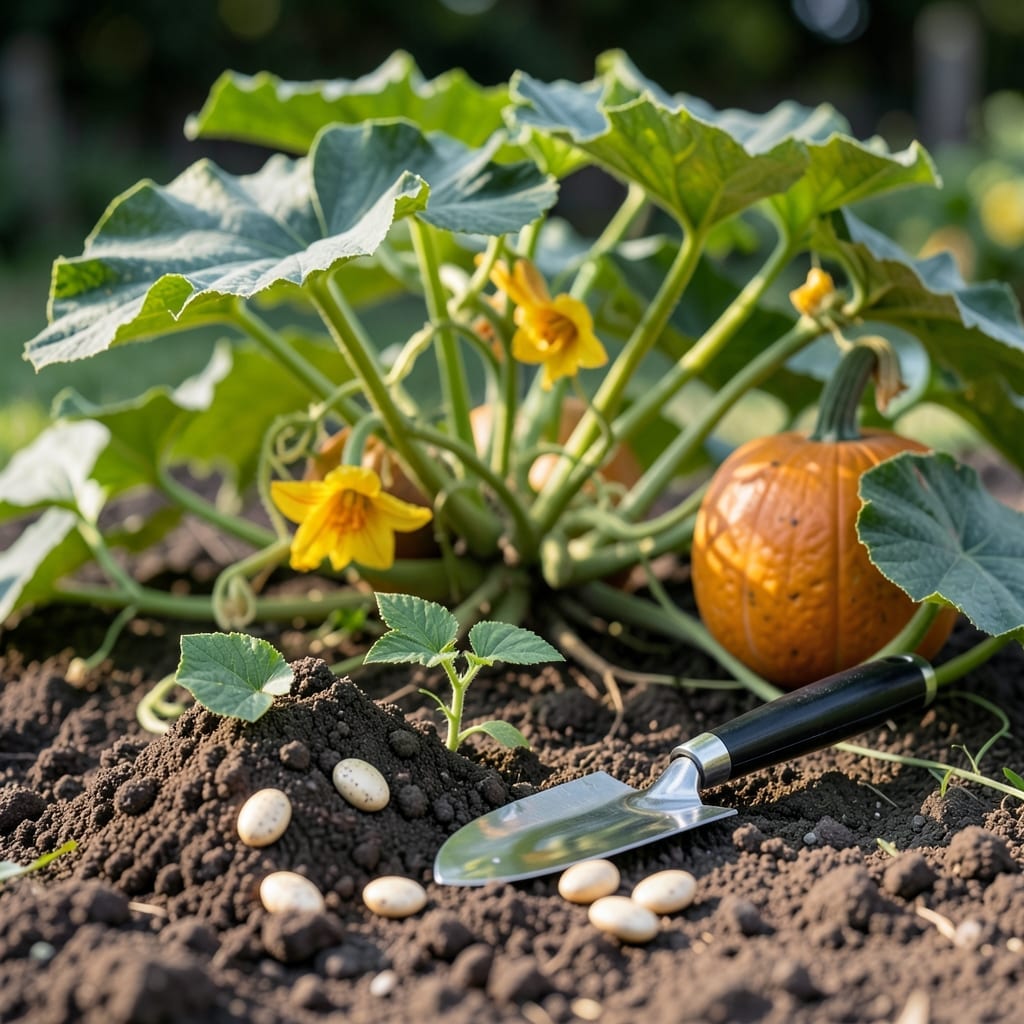
Phoenix’s scorching summers make growing 🎃 Pumpkin seem impossible, but the secret lies in timing. Plant too early, and the heat will fry your seedlings. Plant too late, and you’ll miss the harvest window.
I’ve learned the hard way that Phoenix’s unique climate demands a different approach. The desert’s extreme temperatures can trick even experienced gardeners into making costly mistakes.
What if I told you there’s a perfect window to beat the heat and grow thriving Pumpkins? It’s all about working with Phoenix’s seasons, not against them.
Discover the exact timing that transforms your Pumpkin patch from a struggle to a success story. The answer might surprise you.
Phoenix’s extreme summer heat makes pumpkin planting a timing puzzle. The best window is late July through early August for a fall harvest. This avoids the brutal June temperatures while giving vines time to mature before cooler weather arrives.
For an early crop, you can try planting in late February to early March, but be prepared to protect seedlings from unexpected late frosts. Phoenix’s USDA Zone 9b allows for a long growing season, but timing is everything.
| Planting Window | Harvest Time | Key Consideration |
|---|---|---|
| Late July – Early August | October – November | Avoid extreme summer heat |
| Late February – Early March | June – July | Watch for late frosts |
| September | December – January | Risk of early frosts |
The soil temperature is critical. Pumpkins need at least 90°F soil to germinate properly in Phoenix. Use a soil thermometer to check before planting. If it’s too cool, seeds may rot instead of sprouting.
Phoenix’s monsoon season (July-September) can bring sudden downpours. Ensure your drainage is excellent to prevent waterlogged roots. Raised beds or mounds can help manage excess moisture during these unpredictable storms.
For container growing, start seeds in large pots (at least 5 gallons) in late July. Containers heat up faster than ground soil, so monitor moisture levels closely. The desert sun can dry out pots in hours.
If you’re aiming for giant pumpkins, begin in early July. These varieties need 120-150 days to mature. Smaller pie pumpkins can be started later, as they often mature in 75-90 days.
Remember that microclimates vary across Phoenix. Areas near South Mountain may stay warmer longer, while north Phoenix can cool down faster. Adjust your planting dates based on your specific location’s patterns.
Always mulch heavily around plants to retain moisture and regulate soil temperature. In Phoenix, a 3-4 inch layer of straw or wood chips can make a significant difference in plant health.
Finally, keep an eye on the weather forecast. If an unexpected heat wave is predicted, delay planting by a few days. Pumpkin seeds and seedlings are particularly vulnerable to temperatures above 105°F. ☀️
Not all pumpkin varieties can handle Phoenix’s intense heat. I’ve tested several, and only the toughest survive our 100°F+ summers. The key is choosing heat-tolerant types that mature quickly before the worst heat hits.
Some of my top picks include Cinderella (flat, ribbed, and heat-resistant), Jarrahdale (blue-gray skin, great for arid climates), and Miniature varieties like Jack Be Little, which mature in just 90 days. These thrive where others wilt.
| Variety | Days to Maturity | Heat Tolerance |
|---|---|---|
| Cinderella | 100-110 | High |
| Jarrahdale | 90-100 | High |
| Jack Be Little | 90 | Very High |
The Cinderella pumpkin is my go-to for Phoenix. Its thick rind resists sunburn, and it stores well after harvest. Plus, its sweet orange flesh is perfect for fall displays or pie filling—wait, no, we’re sticking to gardening!
For smaller spaces, Jack Be Little is ideal. These mini pumpkins produce abundant fruit on compact vines, making them perfect for container gardening or tight backyard plots. They’re also drought-tolerant once established.
I always recommend starting seeds indoors in Phoenix. This gives them a head start before transplanting into the garden. Just be sure to harden off seedlings for a week before moving them outside to prevent shock from the heat.
Lastly, don’t forget mulching heavily around your pumpkin plants. In Phoenix, organic mulch like straw keeps soil temps lower and retains moisture. This simple step can make or break your harvest in our desert climate
🌱