
Beautiful Plants For Your Interior
Beautiful Plants For Your Interior
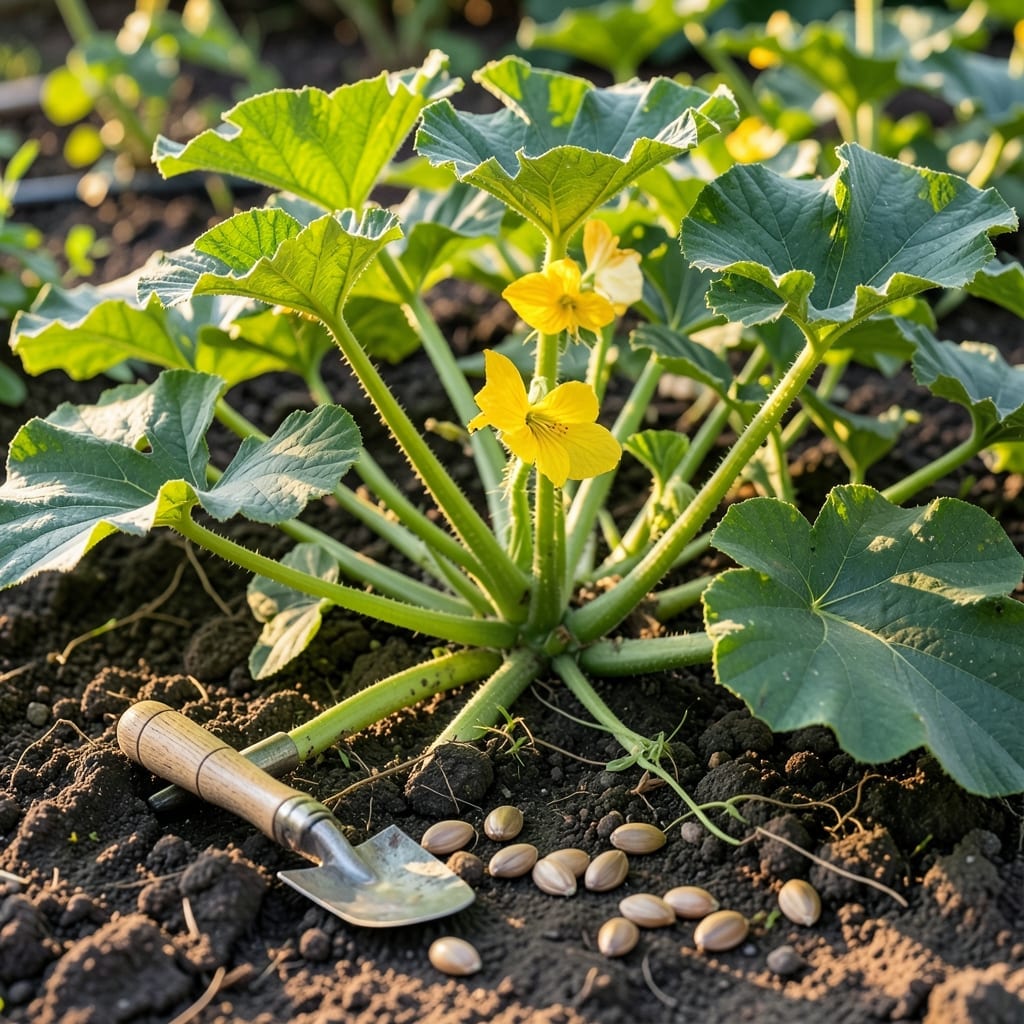
Timing is everything when growing 🎃 Pumpkin in Phoenix’s extreme desert climate—plant too early and frost kills your vines, plant too late and the blazing heat ruins your harvest.
In USDA zone 9b, the window is tight but rewarding. The key is working with the desert’s rhythm, not against it.
I’ve tested multiple planting schedules in Phoenix AZ, and the July to August window consistently delivers the best results for a successful harvest.
Discover how to align your planting with the desert’s unique conditions and set your Pumpkin patch up for success this season.
Phoenix’s USDA zone 9b climate demands precise timing for pumpkins. The desert’s intense summer heat and early frost dates create narrow windows for success. I’ve found July to August works best for most varieties.
Planting too early risks frost damage to tender vines, while late planting means heat stress during fruiting. The soil temperature must reach at least 90°F for proper germination. This typically happens in early July here.☀️
| Stage | Action |
|---|---|
| Ideal Planting | July – August |
| Last Frost Date | February 15 |
| First Frost Date | December 15 |
| Soil Temp Needed | 90°F minimum |
| Harvest Window | October – November |
For spring planting, you might try late April, but I’ve seen better success with summer starts. The 120-day varieties like Howden or Jack-O’-Lantern need that extra time to mature before the first frost.
If you’re growing mini pumpkins, they can handle a slightly later start. I planted Jack Be Little in early August last year and harvested by Halloween. The shorter growing season works for these smaller varieties.
Remember that Phoenix’s heat can be brutal. I always use shade cloth during the hottest part of the day to protect young plants. Drip irrigation is another must to keep roots moist without wetting the leaves.
The monsoon season in late summer can actually help your pumpkins. The extra moisture and slightly cooler temps give vines a boost. Just watch for powdery mildew in the humidity.💧
I’ve learned that soil preparation is key. Pumpkins need well-draining soil rich in organic matter. I mix in plenty of compost before planting and add a balanced fertilizer at planting time.
For the best results, start seeds indoors in peat pots about 3-4 weeks before your planned outdoor planting date. This gives them a head start and protects them from the harsh desert conditions during germination.
Don’t forget to mulch heavily around your plants. This keeps the soil temperature more consistent and reduces water evaporation. I use straw mulch which also helps prevent weeds that would compete with your pumpkins.🌱
Finally, keep an eye on the weather forecast. If an unexpected heatwave is coming, you might need to delay planting or provide extra shade. The desert climate keeps us gardeners on our toes!
Phoenix’s scorching summers demand heat-resistant pumpkin varieties that won’t wilt under pressure. I’ve found that not all pumpkins handle the 100°F+ days equally, so choosing the right type is crucial.☀️
Look for varieties with thick rinds and deep root systems to survive the desert heat. These traits help them retain moisture and resist sunburn, which is common in Phoenix’s intense climate.
| Variety | Heat Tolerance | Maturity Days |
|---|---|---|
| Cinderella | Excellent | 90-100 |
| Jarrahdale | Very High | 100-110 |
| Long Island Cheese | High | 105-115 |
Cinderella pumpkins are my top pick for Phoenix because they thrive in hot, dry conditions and produce reliably even in extreme heat. Their flat shape also resists sunburn better than round varieties.
Jarrahdale is another winner with its blue-gray rind that reflects sunlight, reducing heat stress. It’s slightly slower to mature but worth the wait for its rich flavor and storage potential.
Long Island Cheese is a classic choice for gardeners who want a large, consistent yield. It handles heat well but needs extra watering during peak summer to prevent cracking.
For best results, start these varieties in July or August to avoid the worst heat while still giving them enough time to mature before the first frost in December.🌱