
Beautiful Plants For Your Interior
Beautiful Plants For Your Interior
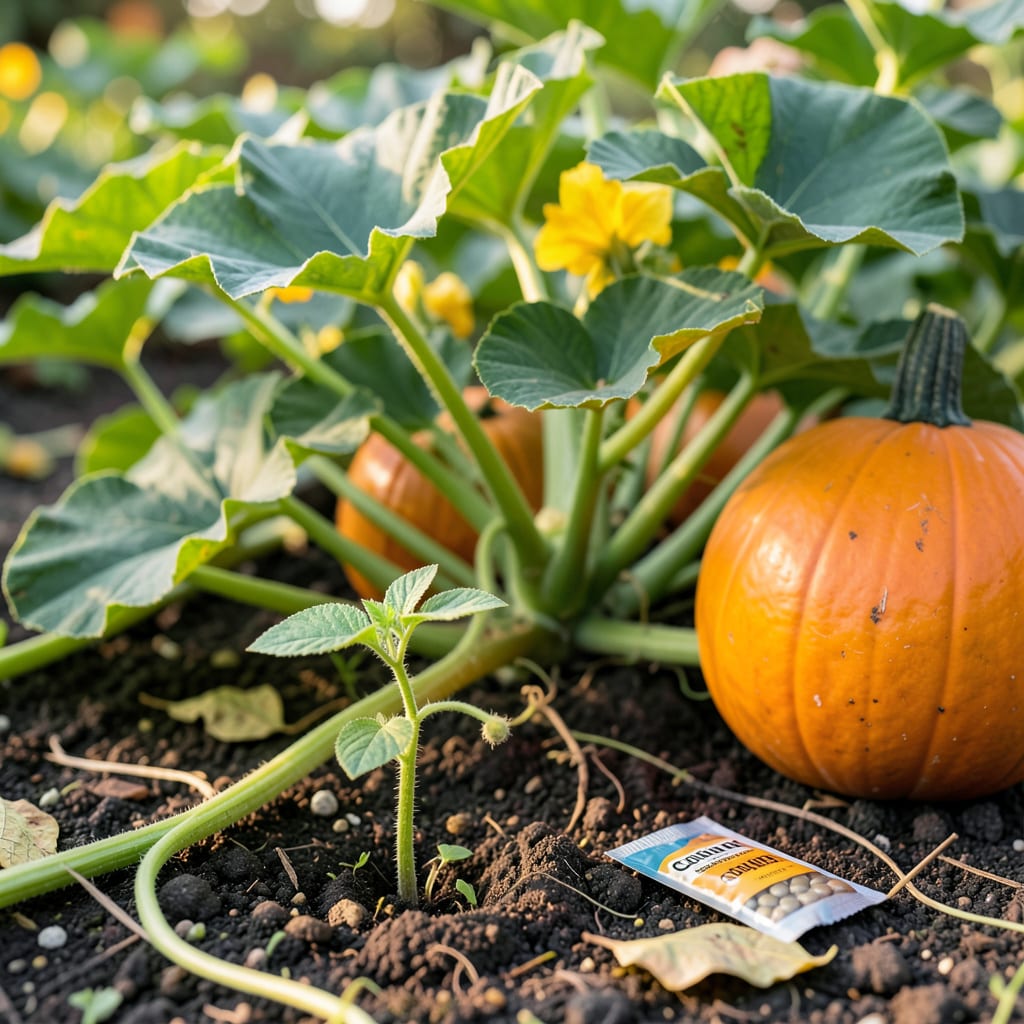
Growing pumpkins 🎃 in Ohio can be challenging, but with the right timing, you’ll enjoy a bountiful harvest. The key is understanding Ohio’s climate and frost dates to determine the ideal planting time for your pumpkin patch.
In Ohio’s USDA Zone 6, the best time to plant pumpkins is in late May to early June, after the last frost date. This allows for 100-120 days of growth before the first fall frost, giving your pumpkins enough time to mature.
Understanding the optimal time to plant pumpkins in Ohio is crucial for a successful harvest. The state’s climate varies significantly across different regions, making it essential to consider factors like frost dates and soil temperature 🌡️.
Ohio’s USDA Zone 6 presents unique challenges for pumpkin cultivation. The ideal time to plant pumpkins is typically in late May to early June, after the last frost date. This timing allows for 100-120 days of growth before the first fall frost, giving pumpkins enough time to mature 🎃.
Regional variations within Ohio can affect the specific planting time. Gardeners in southern Ohio may plant slightly earlier than those in northern regions, due to differences in temperature and soil warming 🌿.
To determine the optimal planting time for your specific area, consider the following factors:
Soil Temperature: Pumpkins require a soil temperature of at least 60°F for optimal germination. Use a soil thermometer to check the temperature at a depth of 4-6 inches 🌡️.
Frost Dates: Wait until after the last frost date in your area to plant pumpkins. This ensures that the soil has warmed up and the risk of frost damage has passed ❄️.
Regional Variations: Be aware of the microclimate in your specific region. Factors like elevation, soil type, and proximity to large bodies of water can influence the local climate and optimal planting time 🌍.
By considering these factors and understanding Ohio’s climate, you can determine the best time to plant pumpkins in your area and enjoy a bountiful harvest 🎃.
Pumpkin cultivation in Ohio requires careful planning and attention to detail. By planting at the optimal time and providing the right conditions, you can grow a successful crop of pumpkins 🌱.
For more specific guidance tailored to your region, consult local gardening resources or extension services. They can provide valuable insights into the best practices for growing pumpkins in your area 📚.
With the right timing and care, you can enjoy a rewarding pumpkin harvest in Ohio. Happy gardening! 🎃
Successful pumpkin cultivation in Ohio requires careful preparation of your garden. The key to a bountiful harvest lies in understanding the specific needs of pumpkin plants and preparing your soil accordingly 🌿.
Pumpkins need full sun and well-draining soil to thrive. Choose a location that receives at least 6 hours of direct sunlight daily ☀️.
By following these steps, you’ll create an ideal environment for your pumpkin plants to grow and flourish. Proper soil preparation is crucial for healthy vine development and maximizing your pumpkin yield 🎃.
Consider implementing companion planting strategies to enhance your pumpkin patch’s health and productivity. Some beneficial companions for pumpkins include marigolds, nasturtiums, and radishes, which can help deter pests 🌼.
With your garden prepared, you’ll be ready to plant your pumpkin seeds at the optimal time.
By combining proper garden preparation with the right planting timing, you’ll be well on your way to growing a successful pumpkin crop in Ohio. Happy gardening! 🌱
Once you’ve planted your pumpkin seeds in Ohio, proper care is crucial for a successful harvest. This includes effective watering strategies, managing common pests, and maximizing pumpkin size and quality 🌿.
Pumpkins need consistent moisture, especially when they’re producing fruit. Water them deeply once or twice a week, depending on weather conditions, to keep the soil moist but not waterlogged 💧.
Water your pumpkin plants in the morning to reduce the risk of fungal diseases. Avoid getting water on the leaves to prevent powdery mildew and other issues.
Common pests in Ohio that can affect pumpkin plants include squash bugs, cucumber beetles, and vine borers. Monitor your plants regularly and use organic or integrated pest management methods to control any infestations you find 🐜.
To maximize pumpkin size and quality, ensure your plants receive adequate nutrients. A balanced fertilizer applied at planting time and again when the vines start to run can help support healthy growth and fruit development 🌼.
Keep the area around your pumpkin plants weed-free to reduce competition for water and nutrients. You can use mulch to help retain moisture and suppress weeds 🌿.
By following these care tips, you’ll be well on your way to growing a successful crop of pumpkins in Ohio. With proper attention to watering, pest management, and nutrition, you can enjoy a bountiful harvest of delicious and healthy pumpkins 🎃.
For more specific advice on caring for your pumpkin plants in Ohio, consult local gardening resources or extension services. They can provide valuable insights into the best practices for your area 📚.
Pumpkins require a soil temperature of at least 60°F for optimal germination. Use a soil thermometer to check the temperature at a depth of 4-6 inches.
Pumpkins typically take 100-120 days to mature after planting. This timeframe allows for proper development and ripening before the first fall frost.
Can I start pumpkin seeds indoors in Ohio? Yes, you can start pumpkin seeds indoors 2-3 weeks before the last frost date. Use biodegradable pots to minimize transplant shock. Harden off the seedlings before transplanting them outside.
Water pumpkin plants deeply once or twice a week, depending on weather conditions. Keep the soil consistently moist but not waterlogged. Morning watering helps prevent fungal diseases.
