
Beautiful Plants For Your Interior
Beautiful Plants For Your Interior
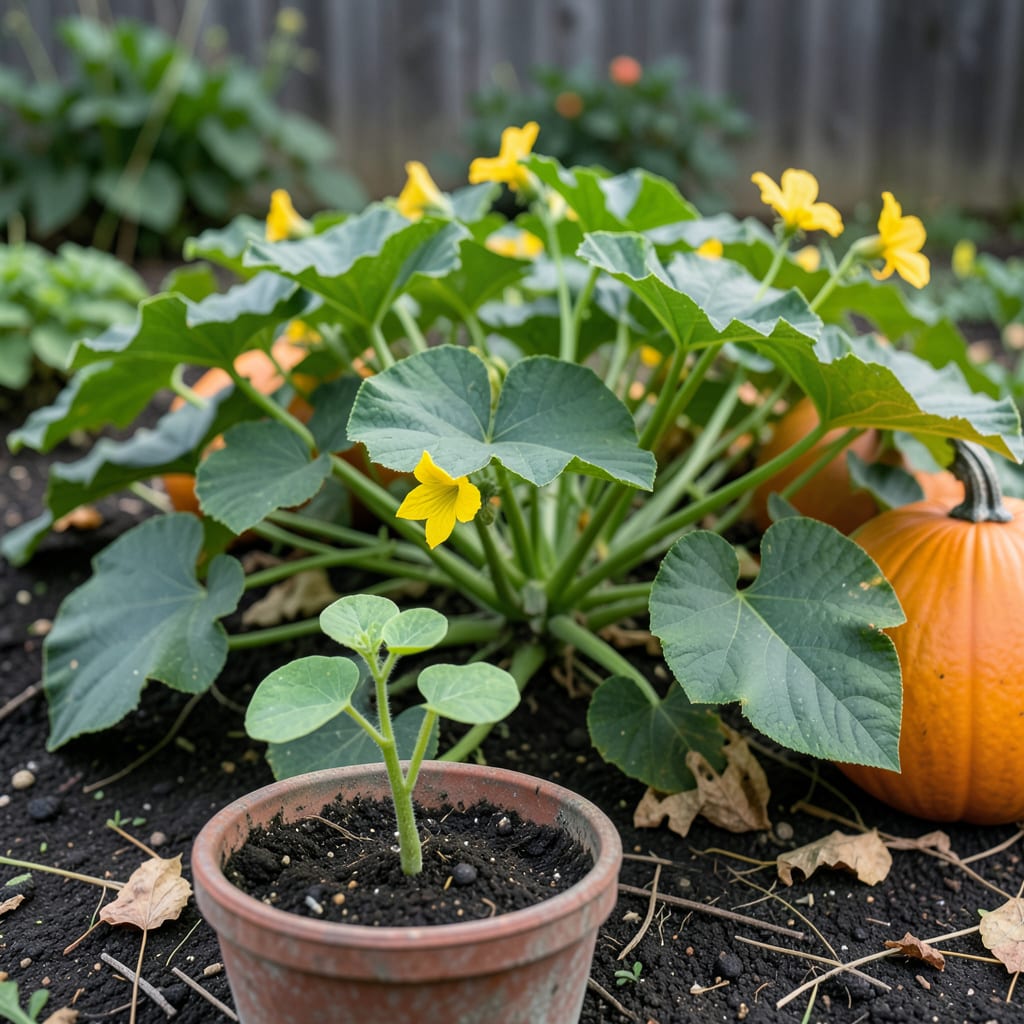
Growing pumpkins 🎃 in North Carolina can be a rewarding experience, but timing is everything. In USDA zone 7b, the ideal time to plant pumpkins is in late spring to early summer, after the last frost date, typically around April 15.
Planting at the right time ensures a bountiful harvest in the fall. I’ll guide you through the best practices for planting pumpkins in NC, helping you achieve a successful yield.
North Carolina’s diverse climate zones require careful planning when planting pumpkins. The state’s geography spans from the coastal plain to the mountains, creating different growing conditions across regions. Understanding these variations is crucial for determining the best planting times 🎃.
The ideal time to plant pumpkins in NC depends on the region’s last frost date and soil temperature. Generally, pumpkin planting occurs in late spring to early summer when the soil has warmed up to at least 60°F. I’ll break down the optimal planting times for different regions of North Carolina.
These planting times are based on the average last frost dates for each region. For the Coastal Plain, the last frost date is around April 10. For the Piedmont, it’s typically around April 15, and for the Mountains, it’s usually around April 25. Planting after these dates ensures that pumpkin seeds germinate in warm soil and avoids damage from late frosts.
Soil temperature plays a critical role in pumpkin seed germination. Pumpkins require soil temperatures of at least 60°F to germinate effectively. In North Carolina’s climate zones, soil temperatures reach this threshold in late spring. You can check soil temperature using a soil thermometer or consult local gardening resources for specific guidance 🌡️.
Regional microclimates within each zone can affect planting times. Factors such as elevation, soil type, and proximity to water bodies can influence local climate conditions. Gardeners should be aware of these microclimates and adjust their planting schedules accordingly. For example, lower elevation areas tend to warm up faster than higher elevation areas 🌿.
Understanding the specific growing conditions in your area is essential for successful pumpkin cultivation. By planting at the right time and considering regional variations, you can optimize your pumpkin yield and enjoy a bountiful harvest in the fall 🎃.
It’s also important to note that pumpkins require a long growing season, typically between 100 to 140 days from planting to harvest. Choosing the right pumpkin variety for your region’s growing season is crucial. Some varieties mature faster than others, so select varieties that fit your local climate and growing conditions.
By considering these factors and planting at the optimal time for your region, you can successfully grow pumpkins in North Carolina. Whether you’re a seasoned gardener or a beginner, understanding the optimal planting times and regional considerations will help you achieve a successful harvest 🌼.
For more specific guidance tailored to your exact location, consult local gardening experts or your county’s cooperative extension service. They can provide detailed information on frost dates, soil conditions, and other factors that might affect your pumpkin crop.
Successful pumpkin cultivation in NC requires careful planning and attention to regional details. By following these guidelines and staying informed about local growing conditions, you can enjoy a rewarding pumpkin harvest each year.
Preparing your garden for pumpkin planting is a crucial step in ensuring a successful harvest 🎃. In North Carolina, gardeners need to consider factors such as soil quality, sunlight, and space when planning their pumpkin patch.
Choose a location with full sun and well-draining soil for optimal pumpkin growth. Ensure the area receives at least 6 hours of direct sunlight daily.
To prepare your soil for pumpkin planting, test its pH level and nutrient content. Pumpkins prefer a slightly acidic to neutral soil pH, between 6.0 and 6.8. Add organic matter like compost or well-rotted manure to improve soil fertility and drainage 🌱.
When selecting pumpkin varieties, consider factors such as maturation period, size, and disease resistance. Choose varieties that are suitable for North Carolina’s climate and your specific growing conditions.
Pumpkins require a lot of space to spread out. Ensure that your pumpkin patch has enough room for the vines to grow, typically around 10-15 feet between plants. Consider using a trellis or other support system to maximize space 🌼.
By following these tips and preparing your garden accordingly, you’ll be well on your way to growing a successful pumpkin crop in North Carolina. Happy gardening! 🌻
Additionally, consider the last frost date for your area and plan your planting schedule accordingly. In North Carolina, the last frost date varies by region, typically occurring in late April or early May.
Keep in mind that pumpkins are warm-season crops and thrive in temperatures between 65°F and 95°F. Avoid planting too early, as cool soil and air temperatures can lead to poor germination and growth 🌡️.
With proper planning and preparation, you can enjoy a bountiful harvest of delicious and healthy pumpkins in the fall. Start preparing your garden now, and get ready for a successful pumpkin growing season 🎃.
Growing pumpkins in North Carolina can be challenging if you make critical mistakes that affect yield and quality. Understanding these common errors will help you achieve a successful harvest 🎃.
One of the most common mistakes is planting too early. Pumpkins are warm-season crops that thrive in temperatures between 65°F and 95°F. Planting before the last frost date can lead to poor germination and growth 🌡️.
Another critical error is not preparing the soil properly. Pumpkins require well-draining soil with a pH between 6.0 and 6.8. Failing to test and amend the soil can result in poor growth and reduced yields 🌱.
Inadequate spacing is also a common mistake. Pumpkins need room to spread out, typically requiring 10-15 feet between plants. Overcrowding can lead to disease and pest issues 🌼.
Poor soil moisture management can negatively impact pumpkin growth. Pumpkins need consistent moisture, especially when they’re producing fruit. Inconsistent watering can cause stress to the plants, leading to reduced yields 💧.
To avoid these mistakes, it’s essential to plan carefully and monitor your pumpkin patch regularly. By understanding the specific needs of pumpkins and taking steps to provide optimal growing conditions, you can enjoy a successful harvest in the fall 🎃.
For more specific guidance on growing pumpkins in North Carolina, consult local gardening experts or your county’s cooperative extension service. They can provide valuable insights and tips tailored to your region’s unique growing conditions.
By avoiding these common mistakes and following best practices, you can grow a bountiful and healthy pumpkin crop in North Carolina. Happy gardening! 🌻
Pumpkin seeds germinate best in soil temperatures of at least 60°F. In North Carolina, soil typically reaches this temperature in late spring. You can check soil temperature using a soil thermometer for optimal results .
Pumpkins typically require 100 to 140 days to mature from planting to harvest. Choose varieties that fit within North Carolina’s growing season for the best results. Some varieties mature faster than others, so select accordingly .
Yes, you can start pumpkin seeds indoors 2-3 weeks before the last frost date. Use biodegradable pots to minimize transplant shock. Harden off seedlings before moving them outdoors to your prepared pumpkin patch .
Pumpkins need consistent moisture, especially when producing fruit. Water them deeply once or twice a week, depending on weather conditions. Avoid overhead watering to prevent fungal diseases .
