
Beautiful Plants For Your Interior
Beautiful Plants For Your Interior
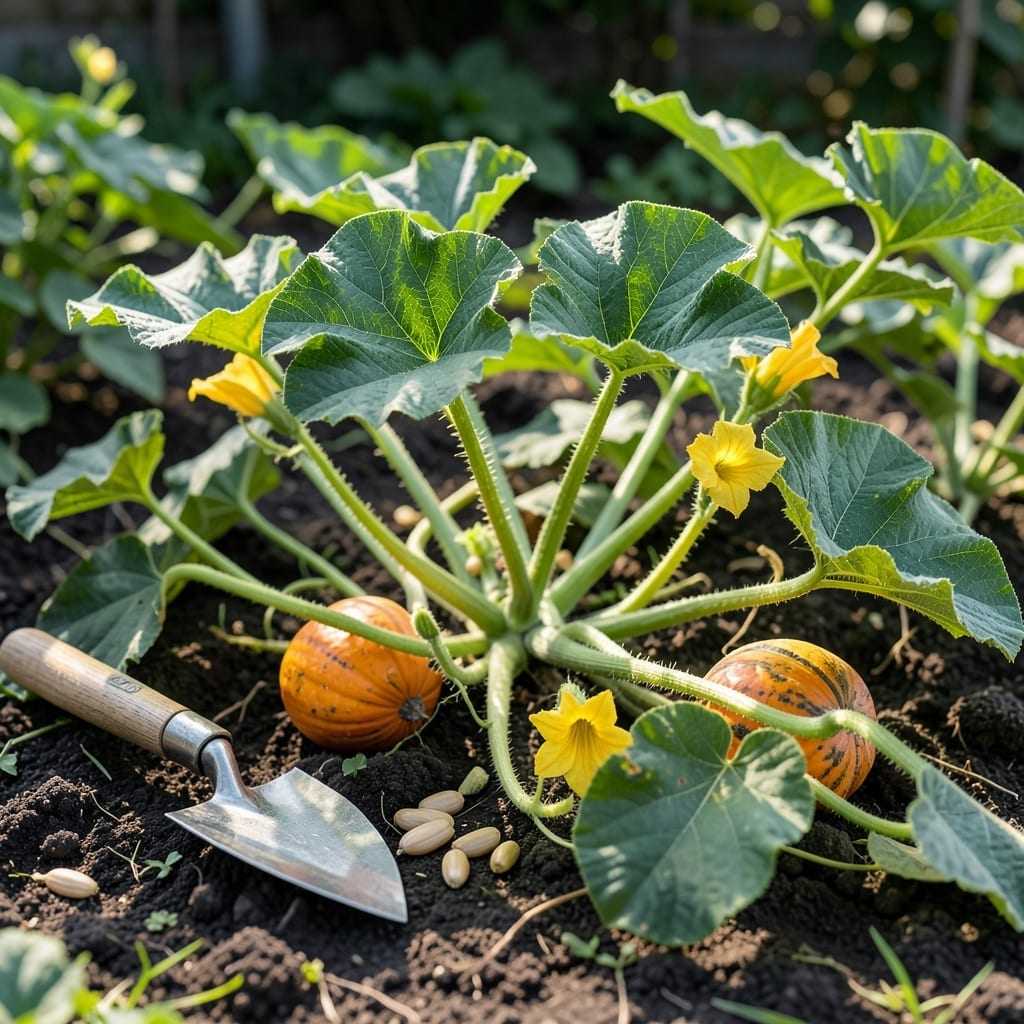
Timing is everything when it comes to growing 🎃 Pumpkin in East Tennessee’s unique climate. Plant too early, and frost can wipe out your seedlings.
Plant too late, and your Pumpkin may not mature before the first fall chill. Getting this right means the difference between a bumper crop and disappointment.
In Zone 7a, the window is tight but rewarding. I’ve learned the hard way that patience pays off when waiting for that perfect moment.
Discover the exact timing that’ll set you up for success with these iconic fall favorites. Let’s make this your best Pumpkin season yet.
East Tennessee’s USDA zones 6b-7a give us a 180-day growing season, but timing pumpkin planting is all about soil temperature and frost dates. I’ve found that mid-May to early June is the sweet spot for most gardeners here.
The last frost typically hits around April 15, but pumpkins need soil temps of 60°F+ to germinate. Planting too early risks cold soil rot, while late planting may leave pumpkins unripe before October’s first frost.
| Zone | Best Planting Window | Soil Temp Requirement | Frost-Free Days |
|---|---|---|---|
| 6b | May 1-15 | 60°F+ | 180 |
| 7a | April 25-May 10 | 60°F+ | 180 |
For zone 6b areas like Knoxville’s outskirts, I wait until May 1 to ensure soil warmth. In zone 7a, like Chattanooga, you can start late April if soil tests confirm 60°F+ at 2-inch depth.
Pumpkins need 75-100 days to mature. For Halloween harvests, count backward from October 15. Varieties like Howden or Jack-O’-Lantern fit perfectly in this window.
Early planting in April is risky. Even in zone 7a, late frosts can stunt young vines. I once lost a patch to a May 1 frost—lesson learned: soil thermometers are your best friend.
Late planting in July may work for small varieties like Jack Be Little, but larger pumpkins need the full season. East Tennessee’s hot summers help, but drought stress can reduce yields.
For clay-heavy soils common here, I recommend raised beds to improve drainage. Pumpkins hate waterlogged roots, and our summer rains can create problems in low-lying areas.
If you’re unsure, start seeds indoors in peanut pots 2-3 weeks early. Transplant after frost danger passes and soil warms. This gives a head start without frost risk.
Remember, pollinators are critical. Plant near bee-friendly flowers like sunflowers or zinnias to ensure good fruit set. Without bees, your pumpkins may grow but won’t form properly.
Finally, mulch heavily to retain moisture and suppress weeds. East Tennessee’s humid summers can stress plants, so consistent watering is key. Aim for 1-1.5 inches weekly, especially during fruit development.
East Tennessee’s clay-heavy soils need special attention before planting pumpkins. I always start by testing soil pH—aim for 6.0 to 6.8 for best results. This ensures your pumpkins can absorb nutrients efficiently. 🌱
The region’s dense clay can drain poorly, so I mix in plenty of organic matter like compost or aged manure. This improves drainage and adds essential nutrients for robust growth. 🌿
Steps to Prepare Soil:
I’ve found that raised beds work wonders in East Tennessee. They help prevent waterlogging and warm up faster in spring. If you’re planting in-ground, choose a slightly elevated spot to avoid standing water. ☀️
Don’t forget to loosen the soil to at least 12 inches deep. Pumpkin roots need room to spread. I also add a balanced fertilizer like 10-10-10 to give seedlings a strong start. This step is crucial for healthy vine development.
Mulching is another game-changer. After planting, I spread straw or shredded leaves around the base to retain moisture and suppress weeds. This keeps the soil temperature stable, which pumpkins love. 🪴
Finally, I always check that the soil temperature is at least 60°F before planting. In East Tennessee, this usually means waiting until mid-May. Planting too early in cold soil can stunt growth or cause seeds to rot.