
Beautiful Plants For Your Interior
Beautiful Plants For Your Interior
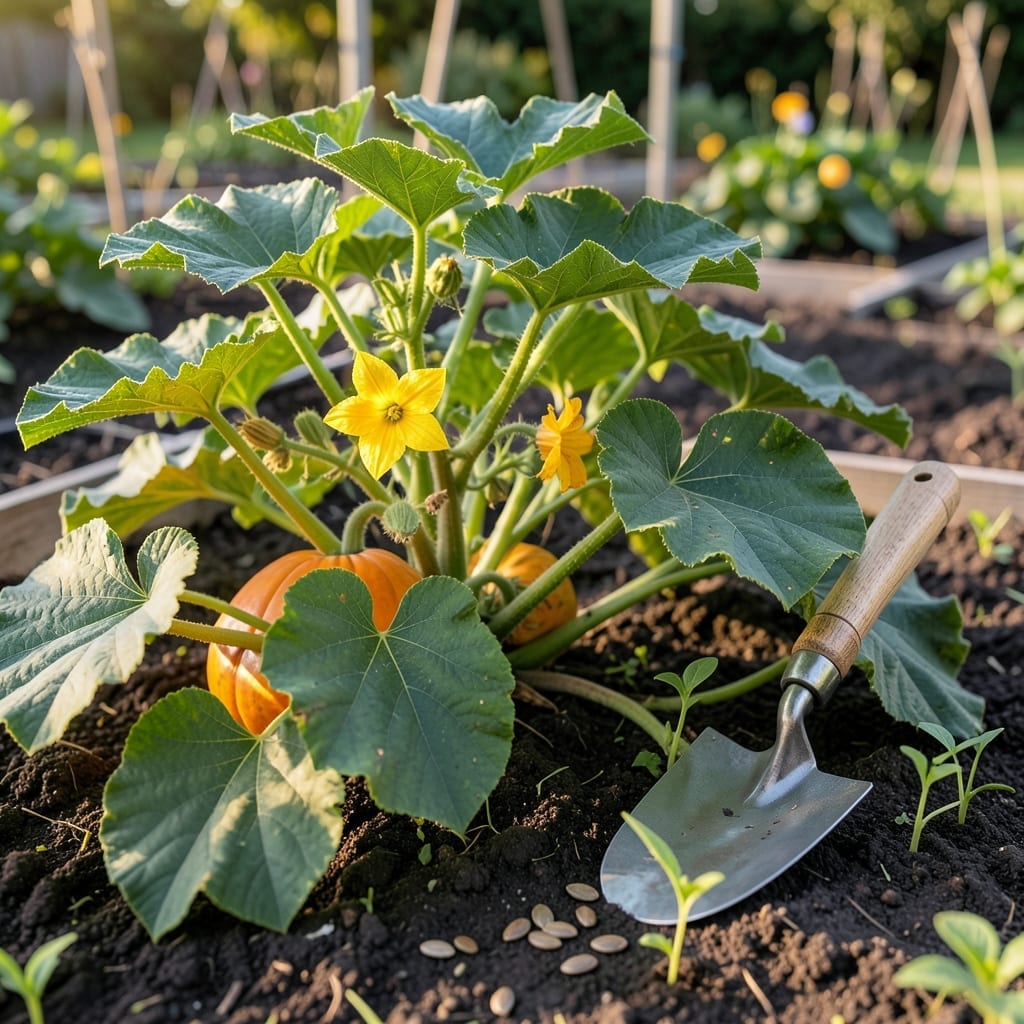
Timing is everything when growing 🎃 Pumpkin in Central Florida’s unique climate. Plant too early or too late, and you’ll miss the sweet spot for a bountiful harvest.
Our warm Zone 9a summers offer the perfect window, but knowing exactly when to start can make or break your patch. The right timing ensures strong vines and mature fruit before the season ends.
I’ve tested different approaches in my own garden, and the results were eye-opening. The key is working with Florida’s heat and humidity, not against it.
Let me walk you through the most important factors for planting success. With these insights, you’ll be set for a harvest that’s both abundant and on schedule.
Central Florida’s Zone 9 climate offers a unique window for growing pumpkins. The ideal soil temperature for germination is 70-90°F, which we typically hit in late June through early July. This timing ensures your pumpkins mature just in time for Halloween.
Since our last frost date is around February 15, and the first frost arrives near December 15, you’ve got a 300-day growing season. For Halloween pumpkins, aim to plant 90-120 days before your target harvest date.
| Requirement | Specification |
|---|---|
| Best Planting Months | July – August |
| Soil Temperature | 70-90°F |
| Days to Maturity | 75-120 days |
| Sunlight Needs | Full sun (6-8 hours) |
| Frost-Free Days | 300 days |
If you’re growing early varieties like Jack-O’-Lantern, you can start as early as late May. But for most gardeners, July planting gives the best balance of heat and time before the first frost threatens vines.
For giant pumpkins, start seeds indoors in late May and transplant in June. These varieties need 120+ days to reach full size, so timing is critical to avoid early frosts.
Central Florida’s sandy soil warms up quickly, which is great for pumpkins. But I always check soil temperature with a thermometer at 4-inch depth before planting. If it’s below 70°F, wait a week and test again.
Our humid summers can bring pest pressure, so I plant in raised beds with good drainage to prevent rot. Mulching with straw helps retain moisture and keeps fruit clean.
For successive planting, I sow a second batch in early August for a Thanksgiving harvest. This works well with smaller varieties like Sugar Pie that mature in 80-90 days.
Remember, pumpkins are 90% water, so consistent deep watering is key. I water 1-2 inches per week, more during dry spells. Morning watering helps prevent foliar diseases. ☀️
If you’re in a microclimate near the coast, you might get away with planting a bit earlier. But inland areas with hotter days should stick to the July-August window to avoid heat stress on young plants.
Finally, don’t forget to amend your soil with plenty of compost before planting. Pumpkins are heavy feeders, and Florida’s sandy soil benefits from the extra nutrients. 🌱
Central Florida’s Zone 9 climate is perfect for growing pumpkins, but not all varieties thrive equally. I’ve found that heat-tolerant types like Howden and Cinderella perform best in our humidity. These handle the summer heat better than others.
For a classic Halloween pumpkin, Jack-O’-Lantern varieties are a safe bet. They need 90-110 days to mature, so planting in early July ensures a timely harvest. Shorter-season types like Small Sugar can go in late July for a quicker turnaround.
| Variety | Planting Window | Days to Maturity |
|---|---|---|
| Howden | Early July | 100-120 |
| Jack-O’-Lantern | Early to Mid-July | 90-110 |
| Cinderella | Mid-July | 95-105 |
If you’re dealing with pest pressures, I recommend disease-resistant varieties like Gladiator or Magic Lantern. These hold up better against powdery mildew and squash bugs, which love Florida’s warmth. Always check the seed packet for local recommendations.
For early harvests, try Mini Jack or Spookie. These smaller pumpkins mature in 75-85 days, so you can plant them as late as early August and still get a harvest before Thanksgiving. They’re great for container gardening too.
Remember, our long growing season means you can experiment with successive planting. I’ve had success sowing a second batch in late July for a November harvest. Just watch for rainy spells, which can delay planting. ☀️
No matter the variety, soil prep is key. Work in plenty of compost and ensure your pH is 6.0-6.8. Pumpkins are heavy feeders, so don’t skip the organic matter. 🌱