
Beautiful Plants For Your Interior
Beautiful Plants For Your Interior
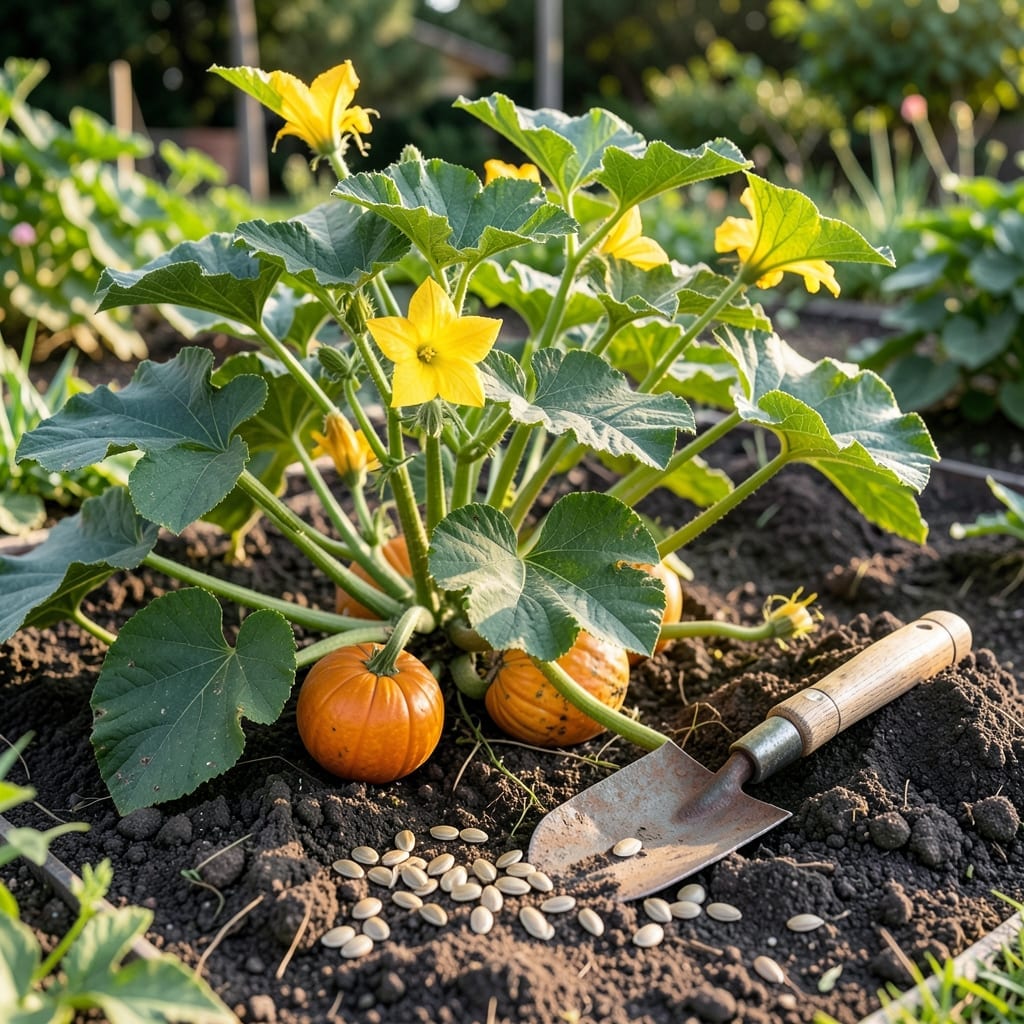
Timing is everything when planting 🎃 Pumpkin seeds in Pennsylvania. Plant too early and frost will kill your seedlings; too late and your pumpkins won’t mature before fall.
Pennsylvania’s climate zones 6a-7b create a narrow window for success. The difference between a thriving patch and a disappointment often comes down to just a few weeks.
I’ve learned through experience that waiting for the soil to warm is the key. Cold ground spells trouble for these heat-loving plants.
Discover the precise timing and preparation steps that will set your pumpkin patch up for a bountiful harvest this season.
In Pennsylvania, timing your pumpkin seed planting depends on your region’s frost dates and soil temperature. The state spans USDA zones 6a-7b, so planting windows vary slightly.
I always recommend waiting until soil reaches 60°F and all danger of frost has passed. This typically falls between late April and early June, depending on where you live.
| Region | Planting Window | Last Frost Date | Soil Temp Requirement |
|---|---|---|---|
| Southeast PA | May 1-15 | April 15 | 60°F+ |
| Central PA | May 10-25 | April 30 | 60°F+ |
| Northwest PA | May 20-June 1 | May 10 | 60°F+ |
| Poconos | May 25-June 5 | May 15 | 60°F+ |
For early pumpkin varieties, you can start 2-3 weeks earlier in warmer areas. These mature in 75-85 days, giving you more flexibility with timing.
In cooler regions like the Poconos, I’ve found that late May is the sweet spot. Planting earlier often leads to stunted growth from cold soil.
Remember that pumpkins need full sun and well-draining soil. I prepare my beds with plenty of compost the season before planting.
For giant pumpkin varieties, which take 120+ days to mature, start seeds indoors in April for transplanting after frost. This gives them a head start in Pennsylvania’s shorter growing season.
I always use soil thermometers to check conditions. When the soil at 2-inch depth reads 60°F for 3 consecutive days, it’s go time for planting.
In urban areas with heat islands, you might plant 1-2 weeks earlier than rural locations. But watch for late frost warnings—Pennsylvania weather can be unpredictable.
For the most accurate timing, I recommend checking with your local extension office. They often provide region-specific planting guides that account for microclimates.
No matter where you are in PA, avoid planting in cold, wet soil. This can cause seeds to rot before they even have a chance to sprout.
Preparing your Pennsylvania soil properly is just as important as timing. I always start by testing the pH level—pumpkins thrive in slightly acidic to neutral soil, between 6.0 and 6.8. This ensures nutrients are readily available.
Next, I work in plenty of organic matter like compost or aged manure. Pumpkins are heavy feeders, so rich, well-draining soil gives them the best start. Aim for at least 2-3 inches mixed into the top 6-8 inches of soil.
Moisture is another key factor. I make sure the soil stays consistently moist but not waterlogged. Pumpkin seeds need 1-2 inches of water per week, especially during germination and early growth stages.
Don’t overlook sunlight requirements. Pumpkins demand full sun, meaning at least 6-8 hours of direct light daily. I always choose the sunniest spot in my garden for these plants.
If your soil is heavy clay, consider planting in raised beds. This improves drainage and warms the soil faster in spring. I’ve seen a noticeable difference in growth when using this method.
Finally, I recommend adding a layer of mulch after planting. This helps retain moisture, suppresses weeds, and keeps the soil temperature steady—all crucial for healthy pumpkin development. 🌱