
Beautiful Plants For Your Interior
Beautiful Plants For Your Interior
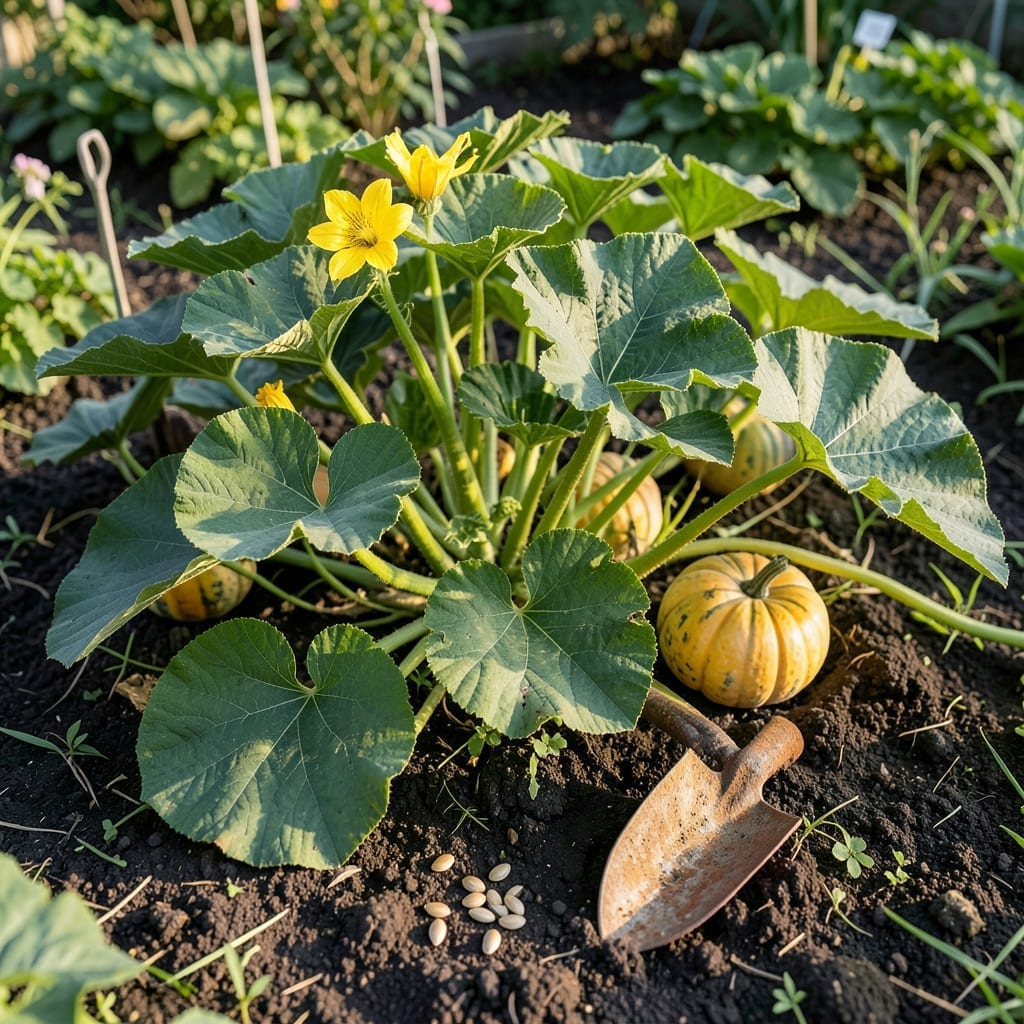
Timing is everything when growing the 🎃 Pumpkin in NY—plant too early, and frost will wipe out your seedlings. Go too late, and you’ll miss that perfect fall harvest window we all dream about.
In zones 5b-7a, the sweet spot for planting is when the soil warms up, usually between May and June. This gives your Pumpkin the full growing season it needs to thrive before the first frost hits.
I’ve seen gardeners struggle with timing year after year, but once you nail this window, the results are incredible. You’ll be rewarded with vibrant, healthy Pumpkins just in time for fall.
Discover how to align your planting schedule with NY’s climate for a bountiful yield. Let’s get you started on the right foot.
If you’re wondering when to plant pumpkin seeds in NY, timing depends on your specific region. New York spans USDA zones 3-7, so frost dates and soil warmth vary. Upstate NY typically has a shorter growing season than Long Island or NYC.
Pumpkins need soil temps of 60°F+ and no frost risk after planting. In most NY areas, this means late May to early June is ideal. But let’s break it down by region for precision.
| Region | Last Frost Date | Planting Window | Zone |
|---|---|---|---|
| Upstate NY | May 15 | Late May-June | 3-5 |
| Western NY | May 10 | Mid-May to June | 5-6 |
| Long Island | April 15 | Late April-May | 7 |
| NYC | April 15 | Late April-May | 7 |
In Upstate NY, I recommend waiting until late May to avoid late frosts. The soil warms slower here, so test with a soil thermometer before planting. A reading of 60°F at 4-inch depth is your green light.
For Western NY, mid-May is usually safe, but watch the 10-day forecast for unexpected cold snaps. Pumpkins hate frost, so err on the side of caution if temperatures dip below 50°F at night.
Long Island and NYC have the longest growing seasons in NY. Here, you can plant as early as late April, but I still check soil temperature and weather patterns to be sure. Warmer microclimates may allow even earlier planting.
If you’re eager to start earlier, consider indoor seed starting 2-3 weeks before transplanting. Use peat pots to minimize root disturbance. Just remember, pumpkins grow fast—don’t start indoors too early, or they’ll outgrow their containers.
For fast-maturing varieties like Jack Be Little, you can push the envelope slightly. These smaller pumpkins mature in 85-100 days, giving you more flexibility with timing. But Atlantic Giants need 120+ days, so stick to the earlier end of the window.
Always harden off seedlings before transplanting. I move my young plants outside for a few hours daily a week before planting. This reduces transplant shock and helps them acclimate to outdoor conditions.
Finally, mark your first fall frost date on the calendar. Most pumpkins need 75-100 days to mature. Count backward from your expected frost to find your latest safe planting date.
For successful pumpkin growth in NY, soil preparation is just as important as timing. I always start by testing my soil pH, aiming for 6.0-6.8—pumpkins thrive in slightly acidic to neutral conditions. Use a home test kit for quick results.
Next, enrich your soil with aged compost or well-rotted manure to improve fertility and drainage. Pumpkins are heavy feeders, so this step is non-negotiable. Work the organic matter 12-18 inches deep for best results.
When planting, space seeds 4-6 feet apart in rows 8-12 feet apart. Pumpkins need plenty of room to sprawl. Plant seeds 1 inch deep—any deeper, and they may struggle to emerge.
After planting, water thoroughly but avoid soggy soil. I use a drip irrigation system to keep moisture consistent without wetting the foliage, which can lead to disease. Mulch with straw to retain moisture.
Avoid overwatering early on—seeds need moisture to germinate but can rot in waterlogged soil. Once seedlings emerge, maintain even moisture but let the top inch of soil dry between waterings.
For NY’s variable climate, site selection matters. Choose a sunny spot with at least 6-8 hours of direct light daily. Avoid low areas where cold air settles, as pumpkins are frost-sensitive.
Finally, monitor seedling progress. If nights are still chilly, use row covers to protect young plants. Remove them once temperatures stabilize above 50°F at night.