
Beautiful Plants For Your Interior
Beautiful Plants For Your Interior
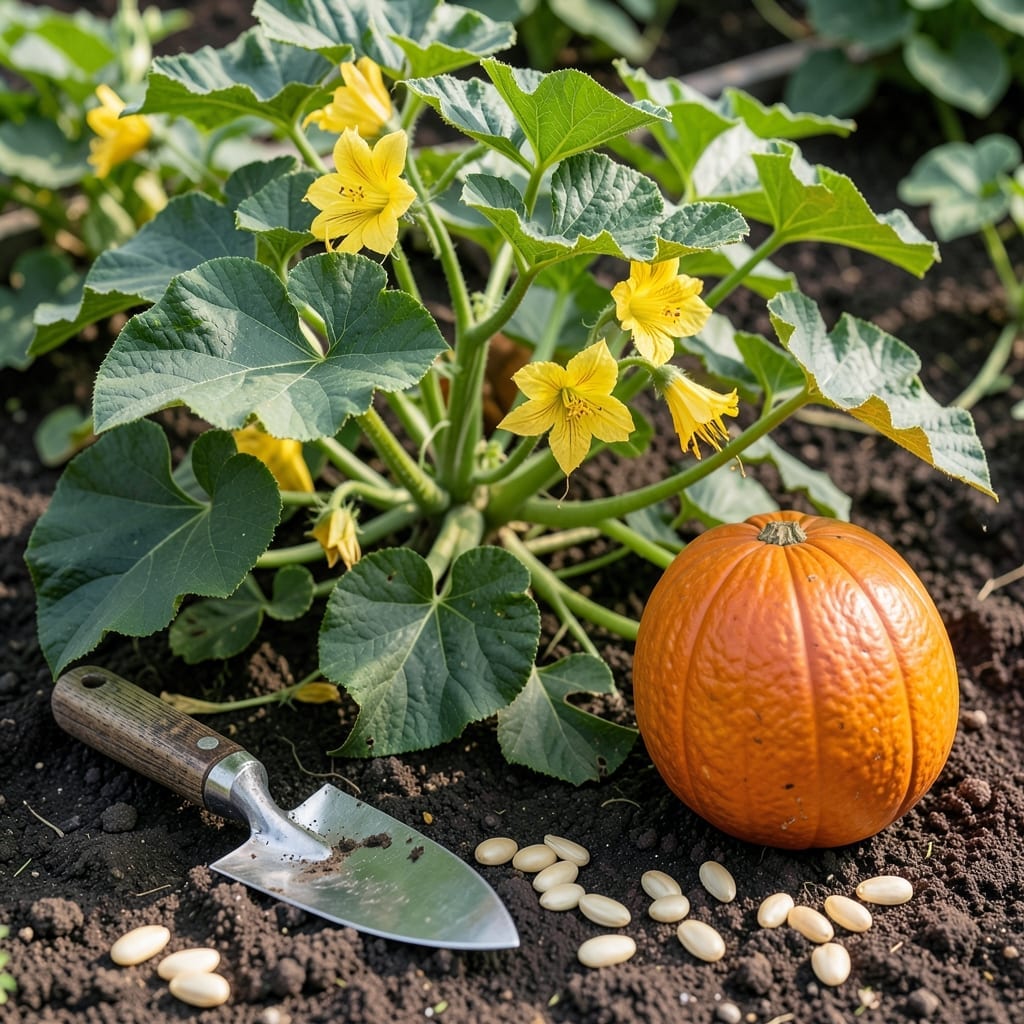
Timing is everything when it comes to growing 🎃 Pumpkin in Kansas. Plant too early, and a late frost might wipe out your seedlings. Wait too long, and your pumpkins won’t have enough time to mature before the first fall chill.
In our 5b-6b zone, the sweet spot for planting is just after the last frost, when the soil has warmed to at least 60°F. This usually falls between May and June, giving your vines the full growing season they need.
I’ve seen too many gardeners rush the process, only to lose their crop to an unexpected cold snap. Getting the timing right means the difference between a patch of struggling plants and a bountiful harvest come September.
Let me walk you through exactly when and how to plant for the best results in Kansas. Your future pumpkin patch will thank you.
In Kansas, the ideal planting window for pumpkin seeds depends on your region. Eastern Kansas typically has a later last frost than the western part of the state, so timing varies slightly. I always recommend waiting until soil temperatures reach at least 60°F for best results.
For most of Kansas, mid-May to early June is the sweet spot. This gives your pumpkins enough time to mature before the first fall frost, which usually arrives in mid-October. Planting too early risks frost damage, while planting too late may leave your pumpkins unripe.
| Region | Last Frost Date | Planting Window | Soil Temp |
|---|---|---|---|
| Eastern Kansas | April 15 | May 1 – June 10 | 60°F+ |
| Western Kansas | April 25 | May 10 – June 1 | 60°F+ |
| Central Kansas | April 20 | May 5 – May 25 | 60°F+ |
I’ve found that checking soil temperature with a simple thermometer is the most reliable method. If the soil is still chilly, you can warm it up by covering the area with black plastic mulch for a week before planting.
For early varieties like ‘Jack Be Little’, you can plant as late as early July in eastern Kansas, but larger varieties like ‘Howden’ need the full 120-day growing season. Always check your seed packet for the days to maturity information.
Kansas weather can be unpredictable, so I recommend keeping an eye on the 10-day forecast before planting. If a late frost is predicted after you’ve planted, cover your seedlings with frost cloth or old blankets to protect them.
The USDA Hardiness Zones in Kansas range from 5b to 6b, which affects planting times. In zone 5b, you’ll want to wait until mid-May, while in zone 6b, you might start as early as late April if the soil is warm enough.
Don’t forget that pollinators are crucial for pumpkin plants. If you’re planting in a remote area, consider adding bee-friendly flowers nearby to attract pollinators. This is especially important in Kansas, where wind can sometimes interfere with natural pollination.
If you’re growing pumpkins for Halloween decor, aim to have them ready by mid-October. Count backward from your desired harvest date using the days to maturity on your seed packet to determine the perfect planting time.
Finally, remember that well-draining soil is key in Kansas, where heavy clay can be an issue. I always amend my pumpkin patch with compost or aged manure to improve drainage and fertility. This gives your seeds the best start possible.
☀️Getting your Kansas soil ready for pumpkin seeds is crucial for a strong start. I always begin by testing the pH level—aim for 6.0 to 6.8 for optimal growth. Pumpkins thrive in slightly acidic to neutral soil, so amending with compost or lime can work wonders.
Kansas often has clay-heavy soil, which can retain too much water. To improve drainage, I mix in organic matter like aged manure or leaf mold. This also helps warm the soil faster, which is key since pumpkins need 70°F+ soil to germinate. ☀️
Another trick I swear by is using black plastic mulch to warm the soil faster in spring. This is especially helpful in Kansas, where early soil temperatures can lag behind air temps. Just lay it down a few weeks before planting.
Don’t forget to loosen the soil to at least 12 inches deep. Pumpkin roots need room to spread, and compacted soil can stunt growth. I use a garden fork to break up the dirt without over-tilling, which can harm soil structure. 🌱
If your soil is sandy, adding peat moss or coconut coir can help retain moisture. Pumpkins are thirsty plants, so consistent moisture is key, especially during fruit development.
Finally, consider a raised bed if your yard has poor drainage. Raised beds warm up faster and give you more control over soil quality. In Kansas, this can mean the difference between a mediocre harvest and a bumper crop. 🌿