
Beautiful Plants For Your Interior
Beautiful Plants For Your Interior
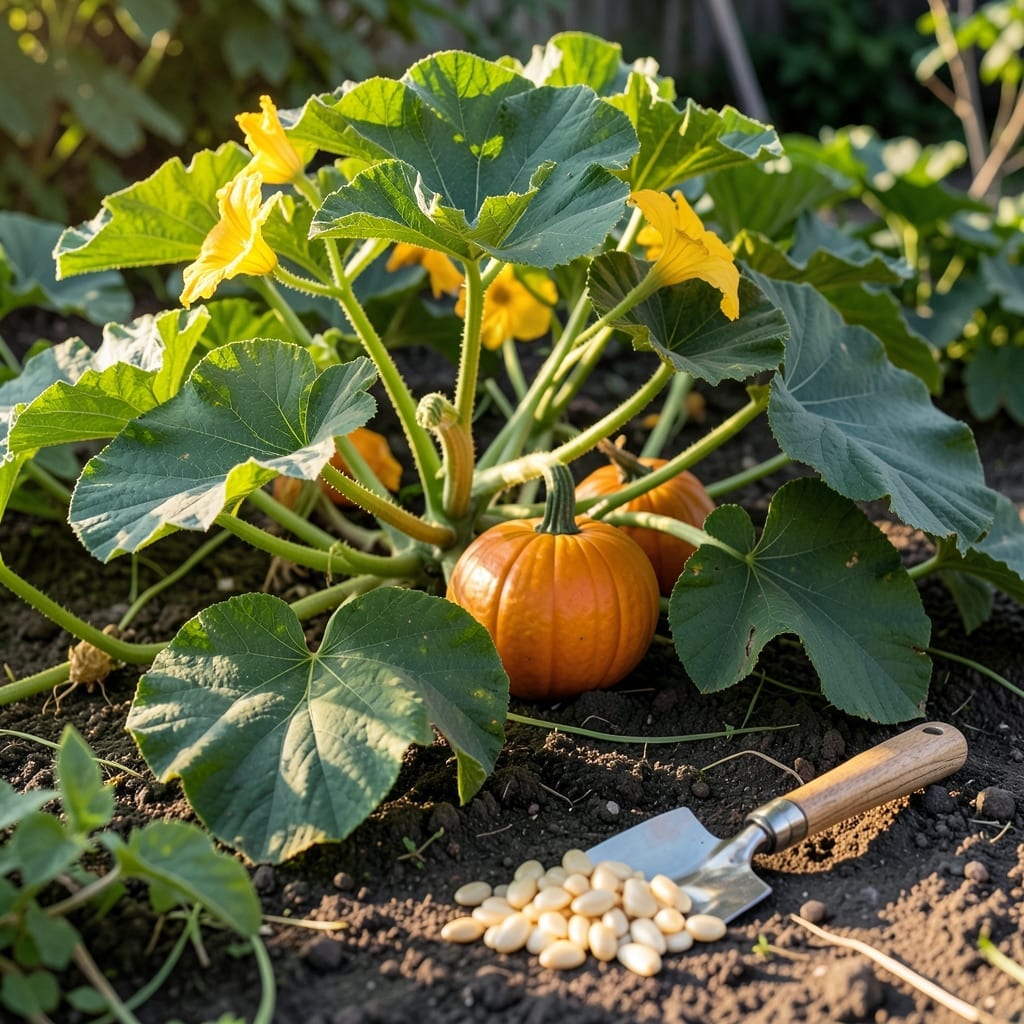
Timing is everything when it comes to growing pumpkins in Indiana. Plant too early, and frost will kill your seedlings; plant too late, and your 🎃 won’t mature before harvest season.
In Zone 5b-6a, the window is tight but predictable. You’ll want to wait until the soil warms up properly, which usually happens in late spring. This ensures your seeds have the best chance to thrive.
I’ve seen gardeners struggle with timing year after year, but getting it right makes all the difference. The good news? It’s easier than you think once you know the signs to look for.
Discover the exact cues Indiana’s climate gives you, and you’ll be on your way to a bountiful pumpkin patch before you know it.
Indiana’s Zone 5 climate means you need to time your pumpkin seeds just right. The last frost date is around April 15, but soil warmth is the real deciding factor.
I always recommend waiting until soil temperatures hit at least 60°F—usually in late May for most of the state. Planting too early risks frost damage, while waiting too long shortens your growing season.☀️
| Stage | Timing | Notes |
|---|---|---|
| Last Frost | April 15 | Avoid planting before this |
| Soil Temp | 60°F+ | Use a soil thermometer |
| Plant Seeds | Late May – Early June | Ideal for most varieties |
| Harvest | September – October | Before first frost |
Northern Indiana gardeners should lean toward early June planting, while southern areas can start mid-May. This accounts for the slight climate variation across the state.
For giant pumpkins, you’ll want to start even earlier—sometimes indoors in April—to give them the full 120 days they need. Smaller varieties can wait until early June.
I’ve found that using a soil thermometer takes the guesswork out of timing. If the reading is below 60°F at 4-inch depth, hold off on planting. This simple tool can save you from a failed crop.
Another tip: black plastic mulch can help warm the soil faster. I use it in early spring to get a head start, especially in cooler microclimates.
Pumpkin vines need full sun and plenty of space—at least 50-100 sq ft per plant. Plan your garden layout accordingly to avoid overcrowding as vines spread.
Remember, Indiana’s growing season is about 180 days, but pumpkins typically need 90-120 days to mature. Count backward from your expected harvest date to find your perfect planting window.
If you’re unsure, err on the side of planting a week later rather than too early. It’s easier to manage heat than to recover from frost damage.🌱
Getting your soil ready is the first step to growing giant pumpkins in Indiana. I always start by testing the pH level—pumpkins prefer slightly acidic to neutral soil, around 6.0 to 6.8. Amend with compost for nutrients.
Pumpkin seeds need warm soil to germinate, so aim for at least 60°F. In Indiana, this usually means waiting until late May. Use a soil thermometer to be sure before planting.
Plant your seeds 1 inch deep and space them 2 to 3 feet apart. Pumpkins are heavy feeders, so mix in aged manure or compost before planting. This gives them a strong start.
After planting, keep the soil consistently moist but not waterlogged. I use a drip irrigation system to deliver water directly to the roots, which helps prevent disease.
Mulch around your seedlings with straw or grass clippings to retain moisture and suppress weeds. This also keeps the soil temperature stable, which is crucial for young pumpkin plants.
Once seedlings emerge, thin them to the strongest 2-3 plants per hill. This ensures each plant has enough space to grow and access to full sun and nutrients. ☀️