
Beautiful Plants For Your Interior
Beautiful Plants For Your Interior
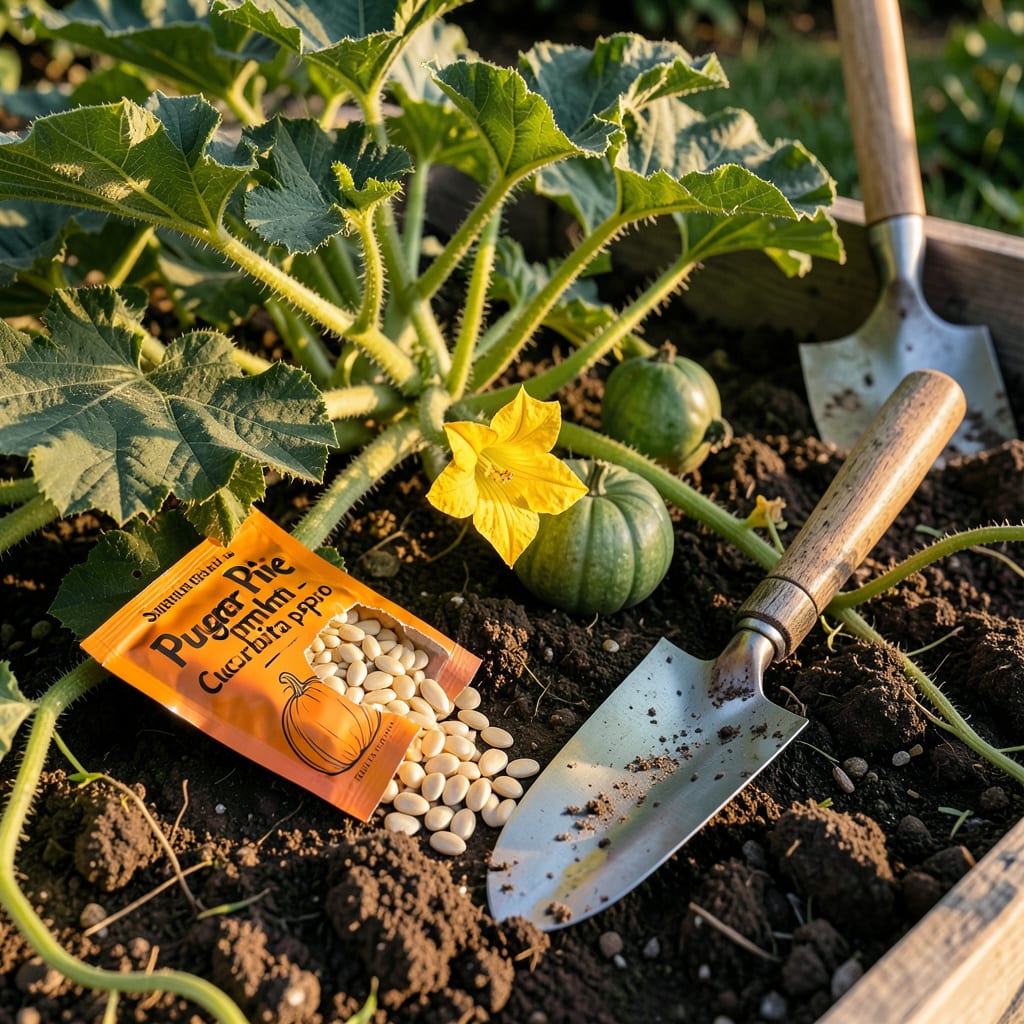
Timing your 🎃 pumpkin patch in California isn’t just about the calendar—it’s about beating the heat, dodging unexpected chills, and working with your region’s quirks. Plant too early along the coast, and fog might stunt your seedlings. Wait too long inland, and your giants won’t ripen before fall.
I’ve helped gardeners from San Diego to Sacramento nail their planting windows, and the difference is night and day. Whether you’re chasing state-fair blue ribbons or just want perfect jack-o’-lanterns, we’ll break down the exact weeks to sow—plus the soil temps and variety picks that make all the difference.
If you’ve ever wondered why your neighbor’s pumpkins thrive while yours struggle, the answer often lies in California’s microclimates. From the cool coastal fog of San Francisco to the blazing Central Valley, planting times vary dramatically. I’ll break down the perfect windows for your zone.
The golden rule? Soil temperature must hit 70°F—cooler than that, and your seeds may rot. Inland areas like Fresno or Bakersfield can plant as early as mid-April, while coastal gardeners in LA or San Diego should wait until late May when the marine layer lifts.
| Region | Best Planting Window | Soil Temp Threshold | Last Frost Date | Days to Harvest | Variety Recommendation |
|---|---|---|---|---|---|
| Coastal (Zones 9-10) San Francisco, LA, San Diego |
Late May – Early June | 70°F+ (use black plastic) | Jan 31 (rare frost) | 90-100 days | ‘Sugar Pie’, ‘Jack Be Little’ |
| Inland (Zones 7-9) Sacramento, Fresno, Bakersfield |
Mid-April – Early May | 70°F (naturally warm) | March 15 | 100-120 days | ‘Howden’, ‘Connecticut Field’ |
| Desert (Zone 9b-10a) Palm Springs, Indio |
Late Feb – Early March | 75°F+ (shade cloth needed) | None | 80-90 days | ‘Cinderella’, ‘Early Giant’ |
| Mountain (Zones 6-8) Lake Tahoe, Big Bear |
Late May – Early June | 70°F (use raised beds) | June 1 | 90-110 days | ‘New England Pie’, ‘Baby Pam’ |
💡 Pro Tip: Use a soil thermometer—don’t guess! Coastal areas may need row covers for extra warmth.
Desert gardeners, I know you’re eager to plant early, but late February is your sweet spot. The extreme heat means you’ll need afternoon shade cloth (30-40% density) to protect young plants. I’ve seen pumpkins fry in 100°F+ temps—don’t let that happen to yours!
For those in mountain regions, your short season demands fast-maturing varieties. ‘New England Pie’ goes from seed to harvest in just 85 days. Use raised beds with black plastic to warm soil faster. Every day counts when frost can arrive by mid-October!
Coastal gardeners face a different challenge: cool nights and fog. If you’re in San Francisco, consider starting seeds indoors in peat pots 2-3 weeks before transplanting. This gives your pumpkins a head start against the short summer window. Just harden them off properly!
No matter your zone, moon phases matter for some gardeners. The waxing moon (between new and full) is traditionally best for planting above-ground crops like pumpkins. While science is mixed, many California growers swear by this old farmer’s trick for bigger yields.
Remember, pumpkins need space—vines spread 10-20 feet! In small urban gardens, try ‘Bushkin’ or ‘Wee-B-Little’ varieties that stay compact. For giant pumpkins, you’ll need a 100 sq ft patch minimum. Plan your garden layout before planting!
Finally, watch the weather like a hawk. California’s unpredictable late spring rains or sudden heatwaves can derail your plans. I always keep row covers and shade cloth on hand. When the forecast shows a week of 80°F+ days, that’s your cue to plant!
Next up, we’ll cover the 5 critical mistakes I see California gardeners make with pumpkins—don’t let these trip you up! 🎃
Even with perfect timing, California gardeners often sabotage their pumpkin crops without realizing it. I’ve seen healthy seedlings wilt overnight and promising vines produce no fruit—all from avoidable errors. Let’s fix the most common mistakes before they wreck your harvest.
The biggest offender? Ignoring soil temperature. Many plant when air temps feel warm, but pumpkins need 70°F+ soil to germinate. Coastal gardeners, this means you! A $10 soil thermometer could save your entire crop from rotting in cool, damp earth.
Skipping soil prep: California’s clay-heavy soils suffocate roots. Mix in 3 inches of compost and 1 inch of sand for drainage. Desert gardeners, add coconut coir to retain moisture.
Over/under-watering: 1-2 inches weekly is ideal. Coastal areas need less; inland requires more. Use the finger test—dry at 2″ depth? Time to water. Drip irrigation beats overhead sprinklers to prevent mildew.
Crowding plants: Giant varieties need 100 sq ft per hill. Plant seeds 1″ deep, 5′ apart in hills spaced 8′ apart. Bush types can go 3′ apart. Use vertical trellises for small spaces.
Ignoring pests early: Squash bugs and cucumber beetles attack seedlings. Apply neem oil spray weekly. Inland gardeners, watch for gophers—use hardware cloth barriers 12″ deep.
Planting in shade: Pumpkins demand 6-8+ hours of sun. Coastal gardeners, choose south-facing slopes or use reflective mulch to maximize light. Even partial shade reduces yields by 50% or more.
Another silent killer? Poor pollination. California’s native bees are fantastic, but if you’re growing in urban areas, you might need to hand-pollinate. Use a small paintbrush to transfer pollen between flowers in the early morning when blooms are open.
Desert gardeners, your unique challenge is intense heat stress. Pumpkin leaves wilt at 95°F+, so plant where they’ll get afternoon shade from trees or structures. I’ve had great success with 30% shade cloth suspended 3 feet above plants—enough protection without blocking pollinators.
Coastal gardeners battle powdery mildew from marine layer moisture. Prevent it with weekly baking soda sprays (1 tbsp baking soda + 1 tsp oil + 1 gallon water). Space plants for maximum airflow, and water only in mornings so foliage dries quickly. 🌿
Here’s a trick I learned from Central Valley farmers: plant radishes alongside your pumpkins. They deter cucumber beetles and loosen soil as they grow. Plus, you’ll get an extra crop! Just harvest the radishes before they bolt to avoid competing with your pumpkin vines.
Finally, don’t forget about succession planting for continuous harvests. In warm inland zones, I plant a new hill every 3 weeks through early July. This staggers harvests so you’re not overwhelmed with 50 pumpkins at once—unless that’s your goal for a pumpkin patch business! 🎃
Not all pumpkins thrive equally in California’s diverse climates. I’ve tested dozens of varieties across the state, and the differences are stunning. Coastal gardeners need fast-maturing types that beat the fog, while inland growers can push giant varieties with long hot summers.
For small spaces or containers, ‘Jack Be Little’ and ‘Wee-B-Little’ stay compact (2-3 lbs) and mature in just 85 days. These are perfect for urban balconies or coastal patios where space is limited. Their small size doesn’t sacrifice flavor—they’re sweeter than many giant varieties! 🌱
Best for: Urban gardens, short seasons, beginners
Best for: Inland zones, experienced growers, competitions
Inland gardeners in Zones 7-9 (Sacramento, Fresno) should try ‘Howden’ or ‘Connecticut Field’—these classic jack-o’-lantern types thrive in heat and produce consistently. For giant pumpkins, ‘Dill’s Atlantic’ can reach 200+ lbs with proper care and 140+ days of warm weather.
Desert dwellers need drought-tolerant varieties like ‘Cinderella’ (also called Rouge Vif d’Etampes). Its deep roots handle heat better than most. Pair it with drip irrigation on a timer—3x weekly in peak summer. The flat shape makes it easier to transport too! ☀️
For powdery mildew prone areas (coastal and foggy regions), ‘Lumina’ is my secret weapon. Its white rind reflects sunlight, reducing fungal spores. The flesh stays sweet even in cool summers. I’ve grown these successfully in San Francisco where other varieties failed.
Remember, seed quality matters. Always buy from reputable suppliers like Baker Creek or Territorial Seed. Old seeds have poor germination—test yours by placing 10 seeds on a damp paper towel. If fewer than 7 sprout in 5 days, buy fresh seeds. 💧
Pumpkin seeds need soil temperatures of at least 70°F to germinate properly. Coastal areas often require black plastic mulch to warm the soil faster. Use a soil thermometer to check—don’t guess!
Yes! Coastal gardeners can start seeds indoors 2-3 weeks before transplanting. Use peat pots to minimize root disturbance. Harden off seedlings for 7-10 days before moving them outside.
Standard varieties require 100 sq ft per hill, with vines spreading 10-20 feet. For small spaces, try bush varieties like ‘Bushkin’ that stay under 6 feet. Vertical trellising works too!
Ignoring soil prep is the #1 killer of pumpkin crops. California’s clay-heavy soils suffocate roots. Mix in 3 inches of compost and 1 inch of sand before planting. Desert gardeners should add coconut coir for moisture retention.
Use 30-40% shade cloth suspended 3 feet above plants during peak heat. Desert gardeners should plant where seedlings get afternoon shade from structures or trees. Water deeply every 3-4 days in extreme heat.
