
Beautiful Plants For Your Interior
Beautiful Plants For Your Interior
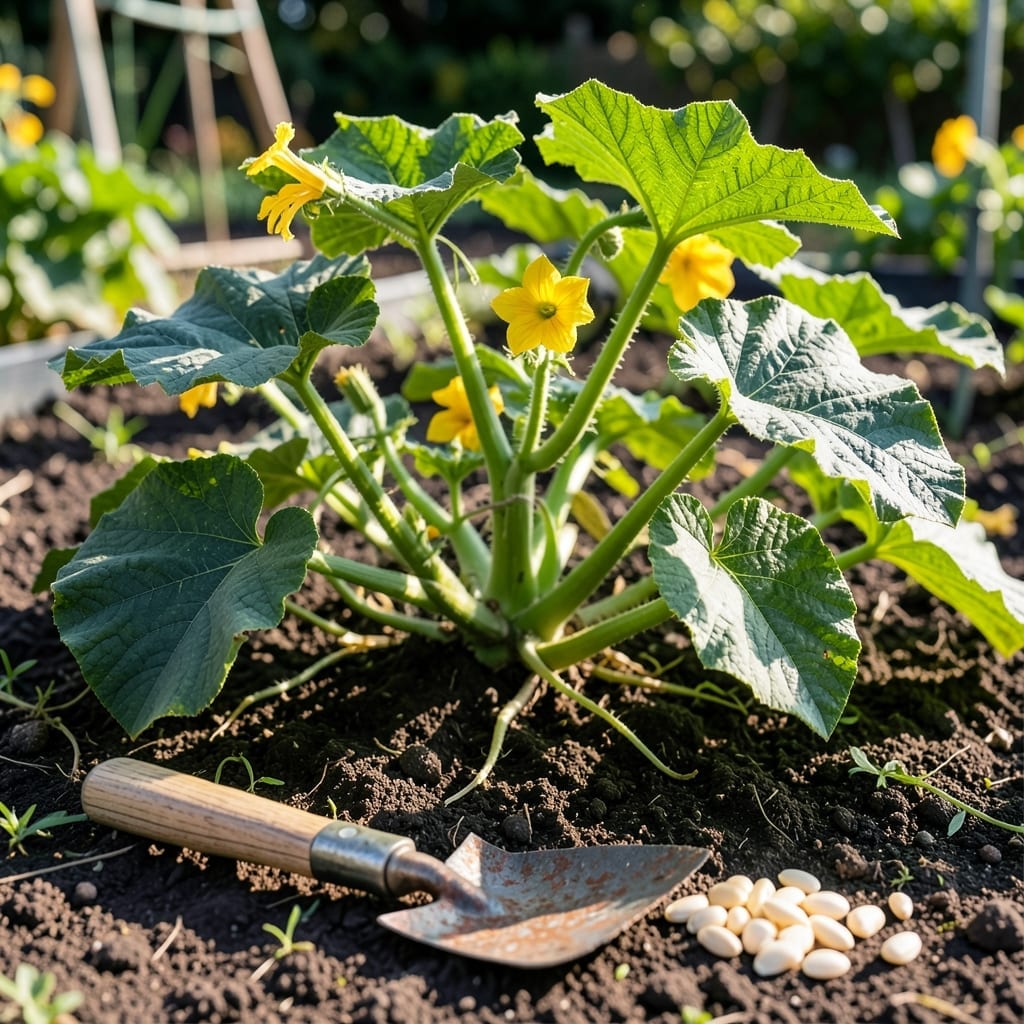
Timing is everything when planting 🎃 Pumpkin seeds in Arkansas. Get it right, and you’ll harvest plump, vibrant pumpkins just in time for fall—get it wrong, and you risk frost damage or stunted growth.
In our 7b-8a zones, the window is short but sweet. Plant too early and a late frost could wipe out your seedlings. Plant too late and your pumpkins won’t mature before the first cold snap.
I’ve learned the hard way that soil temperature is the key. Those seeds need warmth—at least 60°F—to sprout and thrive. And trust me, Arkansas springs can be unpredictable.
Let me walk you through the exact timing and preparation you’ll need. With the right approach, you’ll be well on your way to a bountiful fall harvest.
In Arkansas, your pumpkin planting success hinges on timing. The state spans USDA Zones 7b-8a, with last frost dates varying from April 1-15 in the north to March 15-30 in the south. I always wait until soil temps hit 70°F to avoid cold shock.
For Central Arkansas (Zone 7), aim to plant mid-April to early June. Southern Arkansas (Zone 8) gardeners can start late March to late May. This gives your pumpkins 90-120 days to mature before the first fall frost around November 1.
| Zone | Last Frost | Planting Window | Soil Temp |
|---|---|---|---|
| 7b (Central) | April 15 | April 15 – June 1 | 70-85°F |
| 8a (Southern) | March 30 | March 25 – May 15 | 70-85°F |
I recommend using a soil thermometer to check temps at 4-inch depth. If you’re eager to start earlier, use black plastic mulch to warm the soil faster. This trick can give you a 2-week head start in cooler areas.
For early varieties like ‘Jack Be Little’, you can plant up to 2 weeks earlier since they mature in 85 days. ‘Howden’ and other standard varieties need the full 100-120 days, so stick to the later planting window.
Remember that Arkansas summers are hot and humid. Plant in well-draining soil to prevent rot, and choose a spot with full sun exposure (6-8 hours daily). I’ve found that raised beds work particularly well in our clay-heavy soils.
If you’re in the Arkansas River Valley or Ouachita Mountains, watch for microclimates. These areas can have slightly cooler temperatures and may require adjusting your planting dates by 1-2 weeks later than the general zone recommendations.
For successive harvests, try planting a second batch of seeds in late June. This works especially well in Southern Arkansas where the growing season is longer. Just be sure to monitor for pests like squash bugs, which are more active in our warm summers.
Always harden off seedlings if you start them indoors. I move my pumpkin starts outside for a few hours daily for a week before transplanting. This prevents transplant shock and gives them the best start in our variable Arkansas weather.
Finally, keep an eye on the 10-day forecast before planting. A late cold snap can set you back weeks. When in doubt, it’s better to wait an extra week than to risk losing your crop to an unexpected frost.
With these timing tips, you’ll be well on your way to a bountiful pumpkin harvest just in time for fall decorations and pies 🎃
Arkansas soil can be tricky, but with the right prep, your pumpkin seeds will thrive. I always start by testing my soil pH—aim for 6.0-6.8 for best results. Our clay-heavy soil often needs compost or aged manure to improve drainage.
Moisture management is key in our humid climate. Pumpkins need 1-2 inches of water weekly, but avoid soggy soil. I use drip irrigation to keep foliage dry and prevent disease. Early morning watering works best to reduce evaporation.
Spacing is crucial for healthy vines. I plant my seeds 5-6 feet apart in rows 8-10 feet apart. This gives the vines room to spread while allowing good air circulation, which helps prevent fungal diseases in our humid summers.
Pest control is a must in Arkansas. Squash bugs and cucumber beetles love pumpkins. I check my plants daily and remove pests by hand. Row covers can help early on, but remove them when flowers appear to allow pollination.
Don’t forget about pollinators! Pumpkins need bees for pollination. I plant pollinator-friendly flowers like marigolds nearby to attract them. If bees are scarce, you can hand-pollinate using a small paintbrush.
Finally, keep your pumpkin patch weed-free. Weeds compete for nutrients and water. I use a thick layer of straw mulch to suppress weeds and keep the soil cool. This also helps prevent soil-borne diseases from splashing onto the leaves.
With these tips, your Arkansas pumpkin patch will be the envy of the neighborhood 🎃