
Beautiful Plants For Your Interior
Beautiful Plants For Your Interior
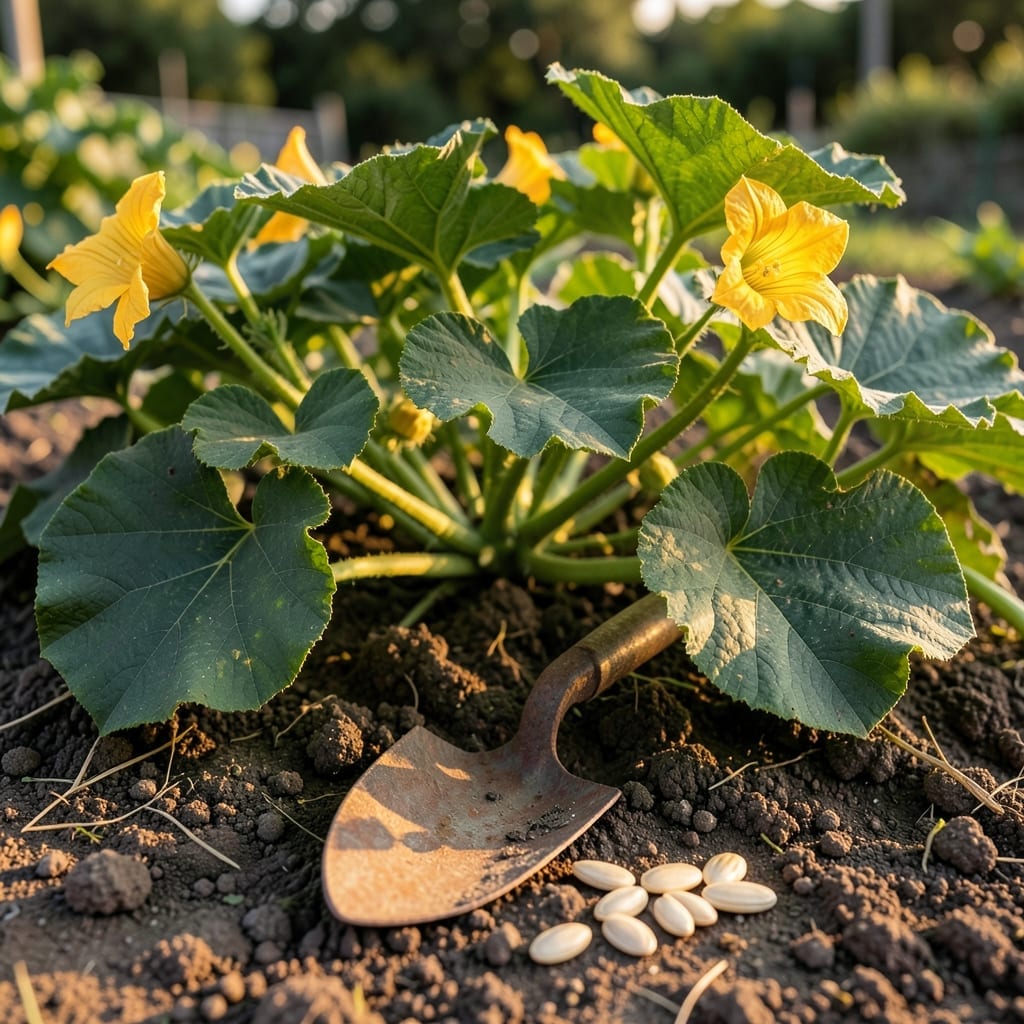
Arizona’s intense heat and unique growing seasons make timing everything when it comes to planting 🎃 Pumpkin seeds. Plant too early or too late, and your harvest could suffer.
In our desert climate, getting the timing right means the difference between a bountiful fall harvest and a disappointing one. The key is working with Arizona’s long growing season, not against it.
I’ve learned through trial and error that July through August is the sweet spot for most of the state. This window avoids the scorching peak summer heat while giving vines enough time to mature before cooler weather arrives.
Discover how to align your planting schedule with Arizona’s climate for the best results. Your future pumpkin patch will thank you.
Arizona’s diverse elevations create unique planting windows for pumpkins. In the low desert (Phoenix, Tucson), I’ve found July through early August works best for avoiding extreme heat while allowing 90-120 days to maturity.
The high desert (Flagstaff, Payson) has a shorter season. Here, late May to early June planting takes advantage of warmer soil and avoids early frost. The intermediate elevations fall somewhere in between.
| Region | Planting Window | Frost Considerations |
|---|---|---|
| Low Desert | July – Early August | First frost Dec 1 |
| High Desert | Late May – Early June | First frost Oct 15 |
| Intermediate | June – July | First frost Nov 1 |
In Phoenix, I always wait until soil temps hit 70°F. Use a soil thermometer to check. The monsoon season in late summer can help with watering, but don’t rely on it completely.
For Flagstaff gardeners, the shorter growing season means choosing fast-maturing varieties like ‘Small Sugar’ or ‘Jack Be Little’. These can go from seed to harvest in 85-90 days.
The intermediate elevations (like Prescott) offer more flexibility. Here, June planting works well, but watch for late spring frosts that can damage young seedlings.
Remember, pumpkins need 6+ hours of sun daily. In Arizona, this is rarely an issue, but shade cloth can help protect young plants from intense afternoon sun in lower elevations.
I’ve had best results direct sowing seeds rather than transplanting. Pumpkins don’t like their roots disturbed. Plant 1 inch deep and 3-4 feet apart for standard varieties, closer for mini types.
Soil prep is crucial in our desert soils. I amend with compost and ensure good drainage. Pumpkins are heavy feeders, so mix in a balanced fertilizer at planting.
For those in container gardens, choose bush varieties like ‘Bushkin’. Use at least a 5-gallon container per plant and ensure it has drainage holes. ☀️
Planting pumpkin seeds in Arizona’s desert climate requires understanding how heat and moisture impact germination. The state’s intense summer sun can dry out soil quickly, making timing and preparation critical.
Soil temperature is the biggest factor—70°F or warmer is ideal for pumpkin seeds to sprout. In Arizona, this means waiting until late summer for most regions, unless you’re in higher elevations like Flagstaff.
I’ve found that monsoon season in late July and August provides a natural watering boost. This can help seeds germinate faster, but you’ll still need to monitor soil moisture closely.
In low desert areas like Phoenix, the soil heats up quickly, but it also dries out fast. I recommend mulching heavily to retain moisture and protect seeds from temperature swings.
For high desert regions, like Flagstaff, cooler nights mean you can plant a bit earlier. Just ensure the soil stays consistently warm, as pumpkins won’t tolerate frost.
If you’re struggling with germination, try pre-soaking seeds for 12 hours before planting. This gives them a head start in Arizona’s dry conditions. ☀️