
Beautiful Plants For Your Interior
Beautiful Plants For Your Interior
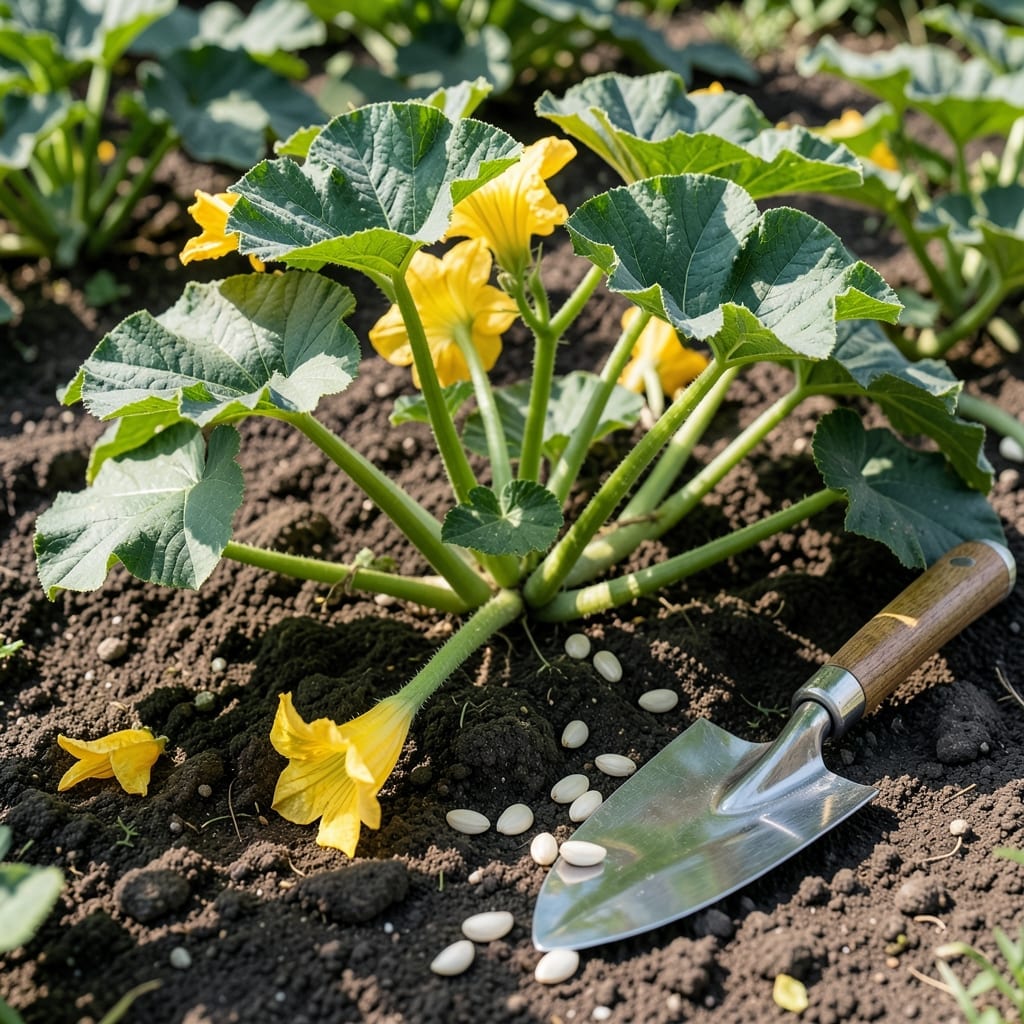
Timing is everything when growing 🎃 Pumpkin in Alabama. Plant too early, and a late frost could wipe out your crop. Wait too long, and you’ll miss the sweet spot for a bountiful harvest.
Alabama’s USDA zones 7b-8a give us a unique window. The soil needs to be warm—at least 70°F—and all danger of frost must have passed.
I’ve learned that April through June is prime time to get those seeds in the ground. But there’s more to it than just the calendar. You’ll want to watch the weather and your soil closely.
Discover the exact timing and tricks to ensure your Pumpkin patch thrives. Let’s make this your best growing season yet.
In Alabama, timing your pumpkin seed planting depends on your USDA hardiness zone. The state spans zones 7a-8b, with last frost dates ranging from March 15 to April 1. Soil temperature is critical—pumpkins need at least 60°F to germinate, but 70-90°F is ideal for rapid growth.
Northern Alabama (Zone 7a) has a shorter growing season than southern regions (Zone 8b). I always recommend starting seeds 2-4 weeks after the last frost when soil has warmed. This ensures your pumpkin vines have enough time to mature before the first fall frost in November.
| Zone | Last Frost Date | Planting Window | Harvest Time |
|---|---|---|---|
| 7a (North) | March 15 | April 15 – May 15 | September 15 – October 15 |
| 7b (Central) | March 25 | April 10 – May 10 | September 10 – October 20 |
| 8a (South-Central) | March 15 | April 1 – May 1 | September 1 – October 15 |
| 8b (Coastal) | February 28 | March 20 – April 20 | August 25 – October 10 |
For early varieties like Jack Be Little, you can plant as soon as soil reaches 60°F. These smaller pumpkins mature in 85-100 days, giving you flexibility. I’ve found they do well in containers if space is limited.
Mid-season varieties such as Howden need 100-110 days to mature. In Zone 8b, you can start these as early as late March, but in Zone 7a, wait until mid-April to avoid frost damage.
Late-season pumpkins like Atlantic Giant require 120-130 days. These are best suited for southern Alabama where the growing season is longer. I recommend starting seeds indoors 3-4 weeks before transplanting to give them a head start.
Always check your local soil temperature with a thermometer before planting. If it’s below 60°F, wait a week and test again. Pumpkin seeds planted in cold soil often rot before germinating.
In southern Alabama, you might get away with a second planting in late July for a fall harvest. However, this is risky in northern zones where early frosts can damage vines before pumpkins mature.
Remember, consistent moisture is key during germination. I water my pumpkin patches daily for the first week after planting, then taper off to every 2-3 days once seedlings emerge. This prevents the soil from drying out.
Finally, consider mulching around your plants to retain moisture and suppress weeds. Alabama’s humid climate can lead to fungal diseases, so I use straw mulch to keep foliage dry and healthy.
With the right timing and care, you’ll be rewarded with vibrant pumpkins just in time for fall 🪴
Preparing your Alabama soil for pumpkin seeds starts with checking the pH level. Pumpkins thrive in slightly acidic soil between 6.0-6.8. I always test my soil first and amend it with lime or sulfur if needed.
Next, ensure your soil is well-draining and rich in organic matter. I mix in compost or aged manure about 2-3 inches deep before planting. This gives your pumpkins the nutrients they need to grow strong 🌱
For best results, plant your seeds in hills or mounds. This improves drainage and warms the soil faster. I create 12-inch high mounds spaced about 6 feet apart for each plant.
Avoid overwatering once seedlings emerge. Pumpkins need 1-2 inches of water per week, but soggy soil can lead to root rot. I water in the early morning to allow foliage to dry during the day.
In Alabama’s humid climate, mulching is essential. I apply a 2-3 inch layer of straw mulch around plants to retain moisture and prevent weeds. This also keeps pumpkins off the ground, reducing rot risk.
With proper soil prep and planting techniques, your pumpkins will establish strong root systems and vines ready to thrive in Alabama’s heat ☀️