
Beautiful Plants For Your Interior
Beautiful Plants For Your Interior
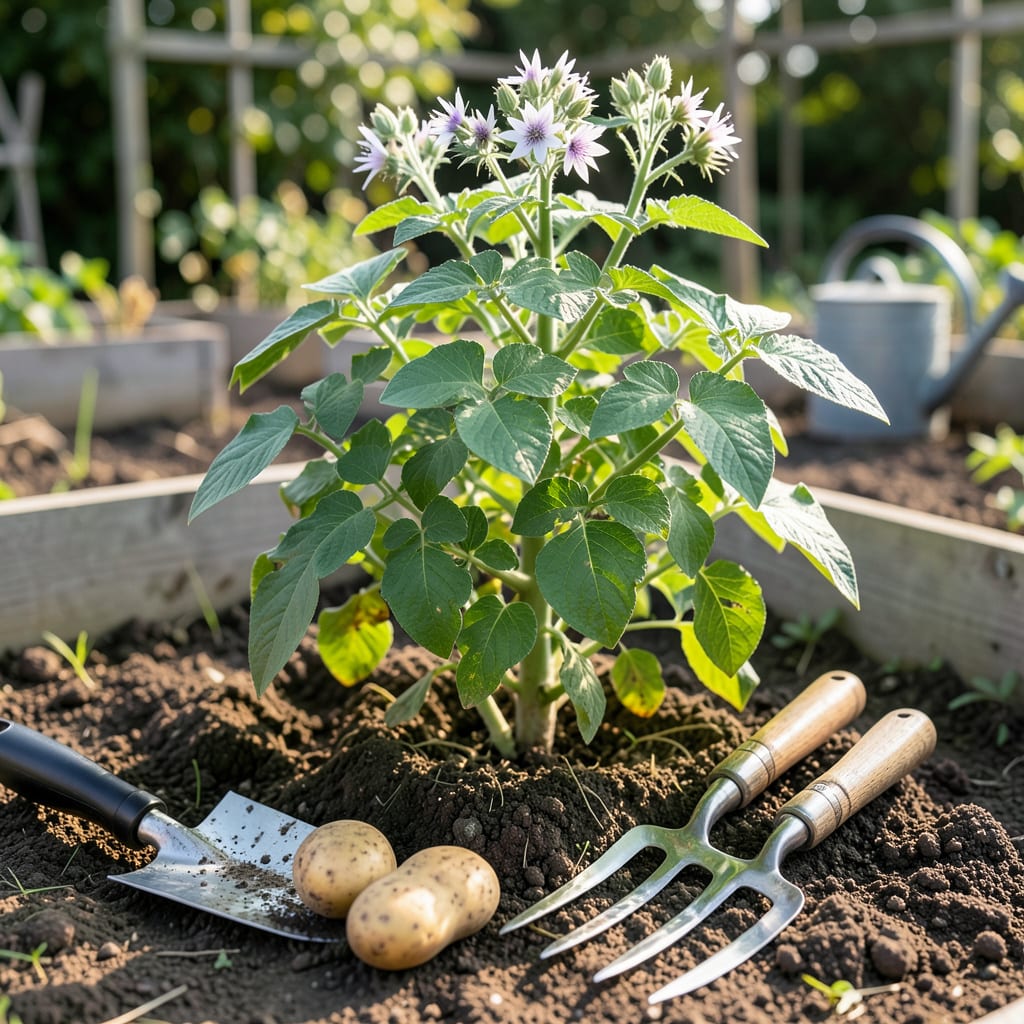
Timing your 🥔 potato planting in Zone 7A can mean the difference between a bumper harvest and a disappointing yield. Plant too early, and late frosts might wipe out your young shoots. Wait too long, and summer heat could stunt your tubers before they size up.
After years of testing different approaches, I’ve nailed down the perfect windows for both spring and fall plantings. Whether you’re growing Yukon Golds or Russets, I’ll show you exactly when to get those seed potatoes in the ground—and why these dates work so well for our climate.
If you’re growing potatoes in Zone 7A, nailing the planting window is your ticket to a heavy harvest. Our region’s last frost date (around April 15) and first frost (mid-October) create two perfect planting opportunities. I’ll break down both seasons so you never miss your ideal time.
The secret lies in soil temperature—potatoes won’t grow until soil hits 45°F (7°C). In Zone 7A, that typically happens in late March for spring planting. But don’t rush it; cold, wet soil causes seed potatoes to rot before they sprout. I always use a soil thermometer to be sure.
| Season | Planting Window | Harvest Time | Variety Recommendation |
|---|---|---|---|
| Spring | March 15 – April 10 | June – July | Yukon Gold, Red Norland |
| Fall | August 1 – 20 | October – November | Kennebec, Purple Majesty |
💡 Pro Tip: For spring planting, aim for 2-3 weeks before last frost. Fall potatoes need 10-12 weeks before first frost.
For spring planting, I start preparing my seed potatoes in early March by chitting (sprouting) them indoors. This gives them a 2-week head start. By St. Patrick’s Day (March 17), I’m usually ready to plant if soil conditions cooperate. Remember, potatoes can handle a light frost, but emerging foliage is vulnerable.
The fall planting window is shorter but equally rewarding. I plant my second crop around August 1 to ensure tubers mature before our first frost. Fall-grown potatoes often have fewer pests and can be stored longer. Just be sure to mulch heavily (4-6 inches of straw) to protect from early cold snaps.
Here’s my soil prep routine for both seasons: I work in 2-3 inches of compost and a balanced fertilizer (10-10-10) a week before planting. Potatoes thrive in loose, well-draining soil with a pH between 5.0-6.5. I avoid fresh manure as it can cause scab disease on tubers.
For container growers, you can start even earlier—late February indoors—since containers warm up faster. Use a 10-gallon pot per 2-3 seed potatoes. I’ve had great success with fabric grow bags that allow for easy harvesting and prevent waterlogging.
Watch for foliage emergence about 2-3 weeks after planting. That’s when I begin hilling—piling soil around stems every 2 weeks until plants flower. This prevents greening of tubers and encourages more potato formation. In Zone 7A’s heat, I hill higher (6-8 inches) to keep tubers cool.
Remember that variety selection dramatically impacts your timeline. Early varieties like Yukon Gold mature in 60-80 days, while late-season types like Russets need 110-135 days. In Zone 7A, I recommend sticking with early to mid-season varieties for both crops to avoid frost damage.
Finally, keep an eye on the 10-day forecast before planting. If nighttime temps will dip below 28°F (-2°C), hold off or be ready with frost blankets. Our Zone 7A microclimates vary—urban areas may warm faster than rural spots, so adjust accordingly. When in doubt, a soil thermometer is your best friend! 🌱
Even experienced gardeners can sabotage their potato crops by making these common Zone 7A mistakes. I’ve seen entire harvests lost to preventable errors—especially when it comes to our region’s unpredictable spring weather and early fall frosts. Let’s fix these issues before they wreck your spuds.
The first deadly mistake is planting in cold, soggy soil. Zone 7A’s early spring often brings heavy rains, and wet soil causes seed potatoes to rot. I always wait until soil temps hit 45°F (7°C) AND the ground isn’t waterlogged. A simple soil thermometer and squeeze test (form a ball—if it crumbles, it’s ready) save me every year.
💡 Quick Fix: Use raised beds for better drainage and always check the 14-day forecast before planting.
Another harvest-killer is misjudging frost dates. Our Zone 7A last frost averages April 15, but I’ve seen frosts as late as May 1. I now plant my spring potatoes March 15-30 (with frost blankets ready) rather than waiting until April. For fall crops, I plant no later than August 15 to ensure 90-day varieties mature before our first frost.
The third critical error is choosing wrong varieties for our climate. Many gardeners plant late-season Russets (120+ days) that never mature before frost. I stick with early varieties like Yukon Gold (70 days) or Red Norland (80 days) for both crops. These mature reliably and handle our summer heat waves better than heat-sensitive types.
Here’s a mistake I made for years: skipping the hilling process. In Zone 7A’s heat, exposed tubers turn green and bitter. I now hill my potatoes every 2 weeks until plants flower, creating 6-8 inch mounds. This keeps tubers cool and protected. For container growers, I add extra mulch (straw or shredded leaves) to mimic this effect.
Finally, many gardeners overlook soil prep. Potatoes need loose, acidic soil (pH 5.0-6.5). I amend my beds with compost and sulfur (if needed) before planting. Avoid fresh manure—it causes scab disease. A simple soil test from your local extension office takes the guesswork out of amendments.
Remember: Zone 7A’s microclimates vary dramatically. My urban garden warms faster than my rural friend’s plot 20 miles away. Always adjust based on your specific location’s conditions, and when in doubt, delay planting a few days rather than risking frost damage. Your future harvest will thank you! 🌿
Not all potatoes thrive in Zone 7A’s unique climate, where we can grow two crops per year. After testing dozens of varieties, I’ve identified the top performers that handle our spring frosts and summer heat while maturing in time for fall harvests. Let’s dive into the best choices for our region’s double-crop advantage.
The key is matching days-to-maturity with our planting windows. For spring, I focus on early to mid-season varieties (60-90 days) that beat the summer heat. Fall crops need fast-maturing types (70-85 days) to avoid October frosts. Here are my top picks for Zone 7A gardeners.
| Variety | Days to Maturity | Best For | Heat Tolerance | Storage Life |
|---|---|---|---|---|
| Yukon Gold | 70-80 days | Spring & Fall | ⭐⭐⭐⭐ | 2-3 months |
| Red Norland | 75-85 days | Spring | ⭐⭐⭐⭐ | 3-4 months |
| Kennebec | 80-90 days | Spring & Fall | ⭐⭐⭐⭐⭐ | 4-5 months |
| Purple Majesty | 90-100 days | Fall | ⭐⭐⭐ | 3-4 months |
💡 Pro Tip: For fall planting, choose varieties with 90 days or less to maturity to ensure harvest before first frost.
Yukon Gold remains my top choice for Zone 7A because it’s versatile and reliable. This variety handles our spring temperature swings and produces well in both seasons. The buttery flavor and medium storage life make it perfect for home gardeners who want fresh potatoes year-round.
For spring planting, I love Red Norland for its early maturity and excellent scab resistance. It thrives in our cool spring soil and produces consistently even in wet years. The red skin stays attractive even after storage, making it great for market gardeners too.
Kennebec shines as my fall crop workhorse. Its heat tolerance and long storage life make it ideal for our August planting window. I’ve harvested beautiful Kennebecs as late as November by using thick mulch to protect against light frosts. This variety also resists common diseases like verticillium wilt.
For adventurous gardeners, Purple Majesty offers stunning color and high antioxidants. While it needs a longer season, I’ve successfully grown it as a fall crop by starting seeds indoors in late July. The deep purple flesh holds its color when cooked, making it a favorite for colorful dishes.
Remember that seed quality matters in Zone 7A. I always source certified disease-free seed potatoes from reputable suppliers. Never use grocery store potatoes, as they may carry diseases and often fail to sprout properly in our climate. For organic growers, High Mowing Seeds and Wood Prairie Farm offer excellent Zone 7A-adapted varieties. 🌱
Containers are perfect for Zone 7A gardeners. You can start 2-3 weeks earlier than in-ground planting since containers warm up faster. Use 10-gallon pots or fabric grow bags with well-draining soil. Just monitor moisture more closely as containers dry out faster.
Planting before soil reaches 45°F (7°C) risks seed rot. Even if sprouts emerge, a hard frost (below 28°F) can kill young foliage. In Zone 7A, I never plant before mid-March unless using frost protection. A soil thermometer removes all guesswork.
Apply 4-6 inches of straw mulch immediately after planting in August. If frost threatens before harvest, cover plants with frost blankets or old sheets. I’ve successfully extended harvests into November using thick mulch layers and row covers.
In Zone 7A, Kennebec and Red Norland store exceptionally well (4-5 months). For best results, cure freshly dug potatoes at 50-60°F for 10 days before storing in a cool, dark place. Avoid washing before storage to prevent rot.
