
Beautiful Plants For Your Interior
Beautiful Plants For Your Interior
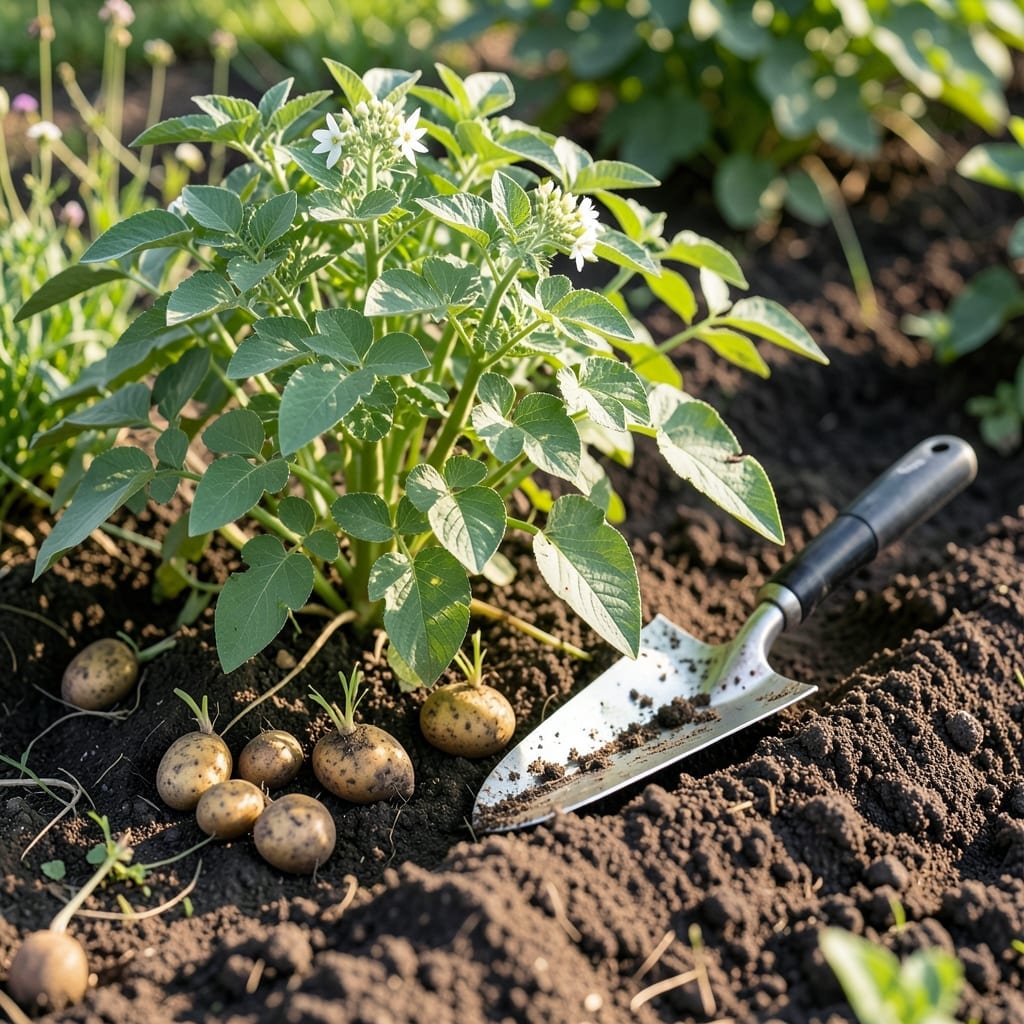
Timing is everything when planting 🥔 Potato in Western Cape. Get it right, and you’ll enjoy a bountiful harvest of flavorful spuds straight from your garden.
In our USDA 9b climate, the planting windows are March-April and August-September. These periods align perfectly with the region’s Mediterranean climate, giving your potatoes the best start.
Whether you’re a seasoned gardener or just starting out, knowing when to plant is the key to success. I’ll guide you through the optimal times and what to consider for each planting season.
Discover how to maximize your yield by planting at the right time. With these insights, you’ll be digging up delicious potatoes in no time.
In Western Cape, the Mediterranean climate offers two ideal windows for planting potatoes. The first is in early autumn (March to April), and the second is in late winter (August to September).
These periods align with the region’s cool soil temperatures and minimal frost risk, creating perfect conditions for tuber development. I’ve found that planting outside these windows can lead to poor germination or disease issues. 🌱
| Planting Season | Ideal Months | Soil Temperature | Harvest Time |
| Autumn | March – April | 7-13°C (45-55°F) | June – July |
| Spring | August – September | 7-13°C (45-55°F) | November – December |
The autumn planting (March-April) is my top recommendation for Western Cape gardeners. The soil retains warmth from summer while the air cools, which encourages rapid early growth before winter sets in.
For spring planting (August-September), I wait until the worst winter frosts have passed. This timing allows potatoes to mature during the milder spring months, avoiding both extreme cold and summer heat.
Western Cape’s coastal areas often have more flexible planting windows due to moderated temperatures. Inland regions, however, require stricter adherence to these timings to avoid frost damage or heat stress.
I always check the soil temperature with a thermometer before planting. Potatoes need at least 7°C to sprout, but above 25°C can inhibit tuber formation. This is why our autumn and spring windows work so well.
For early varieties, I start planting at the beginning of March or August. These mature faster (60-90 days) and can handle slightly cooler conditions than maincrop types.
Maincrop potatoes need the full growing season, so I plant them in mid-March or mid-September. This gives them 110-135 days to reach their full potential before harvest.
The Western Cape’s rainfall pattern also influences planting. I aim to plant just before the rainy season begins, ensuring consistent moisture during the critical tuber formation stage. ☀️
Remember that well-draining soil is non-negotiable for potatoes. In Western Cape’s clay-heavy areas, I amend the soil with compost and sand to prevent waterlogging, which can rot developing tubers.
Planting potatoes in Western Cape requires attention to soil preparation and local climate. I start by selecting certified seed potatoes from a trusted supplier to avoid disease issues.
Before planting, I chit the seed potatoes by placing them in a cool, bright spot for 4-6 weeks. This encourages strong sprouts to form, giving them a head start.
I always test my soil pH before planting, aiming for 5.0-6.5. Western Cape’s soils can be alkaline, so I amend with sulfur or peat moss if needed.
For spacing, I plant seed pieces 30cm apart in rows 60cm apart. This gives each plant enough room to develop healthy tubers without competition.
After planting, I mulch heavily with straw to retain moisture and suppress weeds. In Western Cape’s dry summers, this helps maintain consistent soil moisture. 🌱
I monitor for pests like aphids and diseases like blight, which can be problematic in our humid coastal areas. Regular crop rotation helps prevent these issues.