
Beautiful Plants For Your Interior
Beautiful Plants For Your Interior
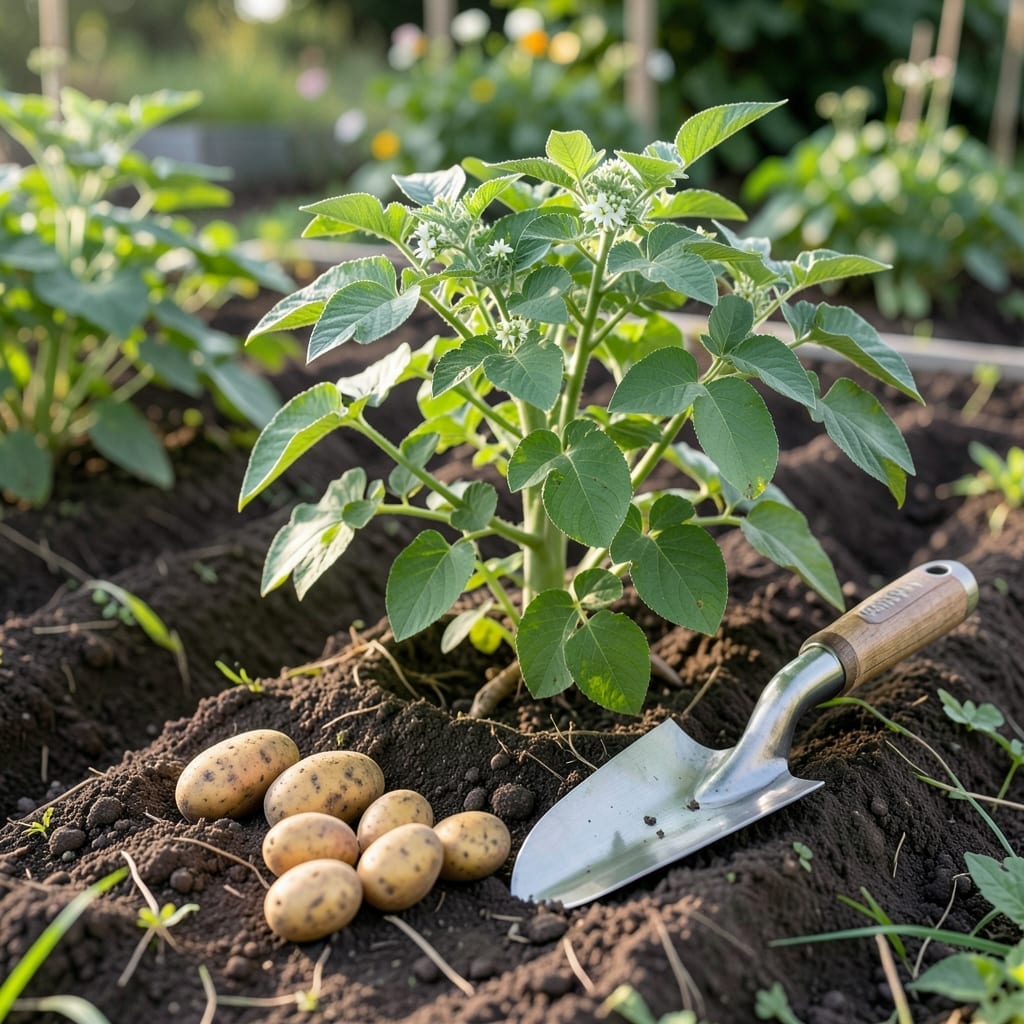
Timing is everything when it comes to growing the perfect 🥔 Potato crop in Victoria, Australia. Get it right, and you’ll enjoy a bountiful harvest of homegrown spuds; get it wrong, and you risk stunted growth or disease.
Victoria’s unique climate zones demand precision. Whether you’re in a cooler region or a warmer pocket, aligning your planting schedule with local conditions is the key to success.
I’ll walk you through the optimal windows, from August to October, and how to adjust for early or late varieties. No guesswork—just clear, actionable advice tailored for your area.
Discover how to make this season your most productive yet, with tips that ensure healthy plants and a hefty harvest come November through January.
Victoria’s diverse climate zones mean potato planting times vary across the state. In cool mountainous regions, I wait until late September to avoid frost damage to young shoots. The temperate central areas allow for earlier planting in mid-August to early September. 🌱
For warmer northern zones, I find early August works best, giving tubers time to mature before summer heat. Coastal regions with mild winters can even push planting to late July. Always check your local frost dates and soil temperature. 🌿
| Region | Planting Window | Frost Risk |
|---|---|---|
| Cool Mountainous | Late September | High |
| Temperate Central | Mid-August to Early September | Moderate |
| Warm Northern | Early August | Low |
| Coastal Mild | Late July to Early August | Minimal |
I always test soil temperature before planting—45°F (7°C) is the minimum for seed potatoes. Use a soil thermometer at 4-inch depth for accuracy. In colder zones, black plastic mulch can warm the soil faster. 🌡️
For early varieties like Rocket or Swift, I plant 2-3 weeks earlier than maincrops. These mature in 70-90 days and avoid late-season diseases. Maincrop varieties such as Pontiac need the full 120-day window. 🪴
In frost-prone areas, I protect emerging shoots with frost cloth or straw mulch. A late frost can kill young plants, so monitor weather forecasts closely. Planting in raised beds also improves drainage and warms soil faster. 💧
I’ve found well-draining loamy soil works best for potatoes in Victoria. Add compost or aged manure before planting to boost fertility. Avoid fresh manure, as it can cause scab disease. A pH of 5.0-6.0 is ideal for preventing scab. ✂️
For container gardening, I use large pots or grow bags with quality potting mix. These allow for better control over soil conditions and can be moved to sheltered spots during cold snaps. Ensure containers have drainage holes. ☀️
Watering consistency is key after planting. I give my potatoes 1-2 inches of water weekly, more in hot spells. Reduce watering as foliage yellows to toughen skins for harvest. Overwatering can lead to disease or rot. 🌧️
Finally, I rotate planting spots yearly to prevent soil-borne diseases. Never plant potatoes where tomatoes, peppers, or eggplants grew the previous year. This simple step keeps my harvests healthy and productive year after year. 🌳
In Victoria, I’ve found that first early potatoes thrive when planted in late August for a Christmas harvest. These varieties mature in about 90-110 days, so timing is key to avoid frost damage.
Second early potatoes need a slightly longer window, so I plant them in early September. They’re ready in 110-135 days, perfect for a late summer to early autumn crop.
| Variety | Planting Time | Harvest Time | Days to Maturity |
|---|---|---|---|
| First Early | Late August | December | 90-110 |
| Second Early | Early September | January | 110-135 |
| Maincrop | Mid-September | February | 135-160 |
For maincrop potatoes, I wait until mid-September to plant. These take 135-160 days to mature, so they’re ideal for a late harvest in Victoria’s milder regions.
I always check the last frost date in my area. In cooler parts of Victoria, I plant 2-3 weeks later to avoid frost risk. This adjustment ensures my seed potatoes aren’t exposed to freezing temperatures.
If I’m growing in warmer zones, like Melbourne’s suburbs, I can plant earlier by 1-2 weeks. The soil temperature should be at least 7°C (45°F) for optimal sprouting.
I also consider rainfall patterns. Victoria’s spring can be wet, so I ensure my soil is well-draining to prevent rotting. Adding compost or sand helps improve drainage in heavier soils.
By tailoring my planting schedule to the potato variety and local climate, I maximize my chances of a healthy, abundant harvest every season. ☀️