
Beautiful Plants For Your Interior
Beautiful Plants For Your Interior
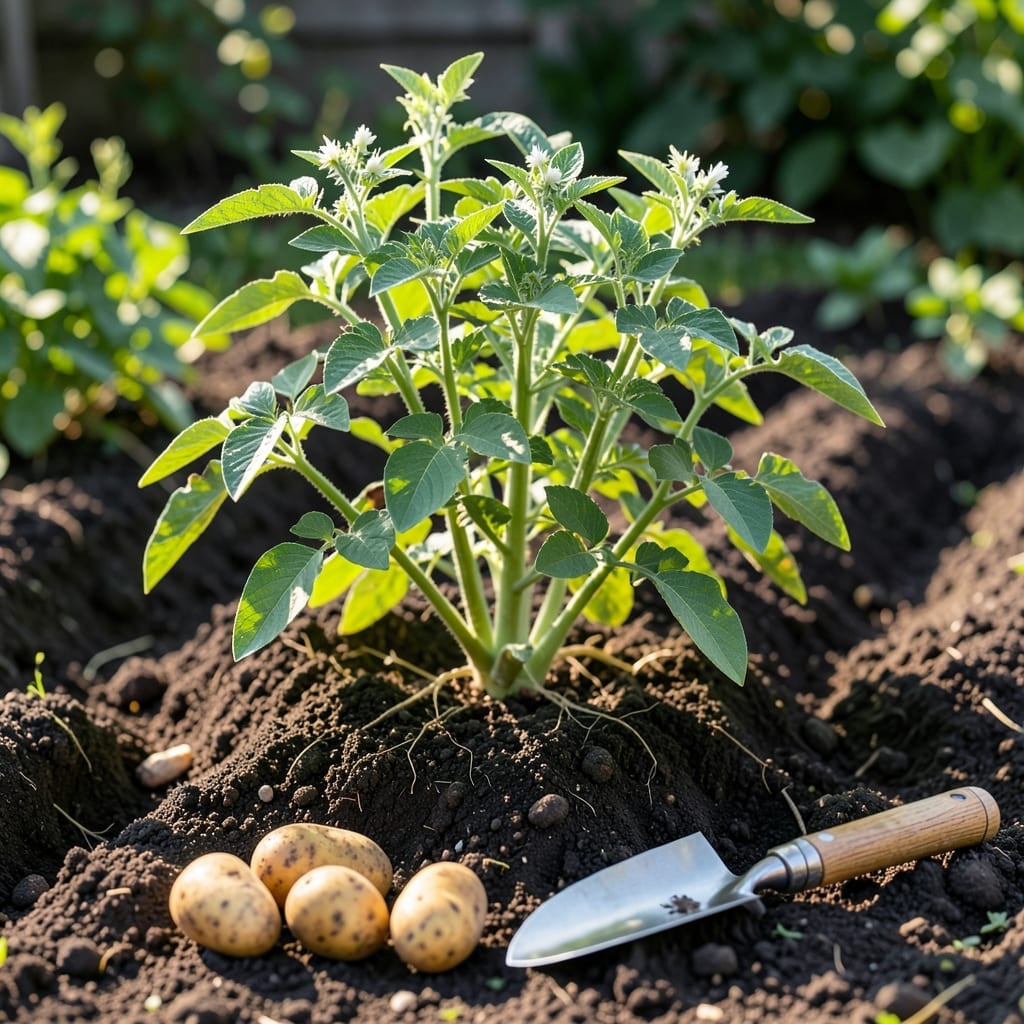
Planting Potato 🥔 in the Northwest at the right time can make or break your harvest. Our region’s cool, damp climate means timing is everything to avoid rot and frost damage.
Get it wrong, and you might end up with stunted growth or diseased tubers. But get it right, and you’ll enjoy a bumper crop come summer.
I’ve spent seasons fine-tuning the perfect planting window for this area. The key lies in understanding our unique weather patterns and soil conditions.
Let me show you exactly when and how to plant for the best results in your Northwest garden.
In the Pacific Northwest, timing your potato planting depends on your USDA hardiness zone. Coastal areas like Western Washington and Oregon have milder winters, allowing earlier planting.
The ideal soil temperature for potatoes is 45-50°F. In Zone 8b, this typically occurs in mid-March to April, while cooler inland zones may need to wait until late April.
| Zone | Planting Window | Soil Temp | Last Frost |
|---|---|---|---|
| 7a-7b | Late March – April | 45°F+ | April 1-15 |
| 8a-8b | Mid-March – April | 45°F+ | March 15-30 |
| 9a | February – March | 45-50°F | Feb 15-28 |
For early varieties, I recommend planting 2-3 weeks before your last frost date. This gives them a head start before the warmer growing season begins.
In cooler areas like Eastern Washington or high elevations, wait until soil warms consistently to at least 45°F to prevent seed piece rot.
Coastal regions benefit from milder winters but have more rainfall. I always ensure good drainage to avoid waterlogged soil, which can rot seed potatoes.
For maincrop potatoes, plant 1-2 weeks later than early varieties. They need longer growing seasons and do best when planted in April across most zones.
I’ve found that container gardening works well in the Northwest. It allows me to control soil temperature and improve drainage, especially in wet springs.
Always check your local weather and soil conditions. In the Northwest, microclimates can vary significantly even within the same zone. ☀️
Timing your potato planting in the Northwest isn’t just about the calendar. I always check the soil first, as our region’s cool, damp climate can trick even experienced gardeners into planting too early.
The most reliable sign is soil temperature—aim for 45-50°F at a 4-inch depth. This ensures your seed potatoes won’t rot in cold, waterlogged ground.
Another key indicator is soil workability. If you can squeeze a handful and it holds shape briefly before crumbling, it’s ready. If it stays in a sticky ball, it’s still too wet for potato planting.
I also watch for natural weed growth. When weeds start sprouting on their own, it’s a sign the soil has warmed enough for potatoes. This often aligns with dandelions blooming in early spring.
Don’t forget to check the 2-week forecast. Even if the soil is perfect, a late frost can damage young plants. I always wait until after our region’s last frost date (typically mid-April).
Finally, test moisture levels. Dig a small hole and check if it’s damp but not soggy. Potatoes need consistent moisture but hate waterlogged roots, especially in our rainy Northwest springs.
With these signs, you’ll know exactly when to get those seed potatoes in the ground for a thriving crop 🌱