
Beautiful Plants For Your Interior
Beautiful Plants For Your Interior
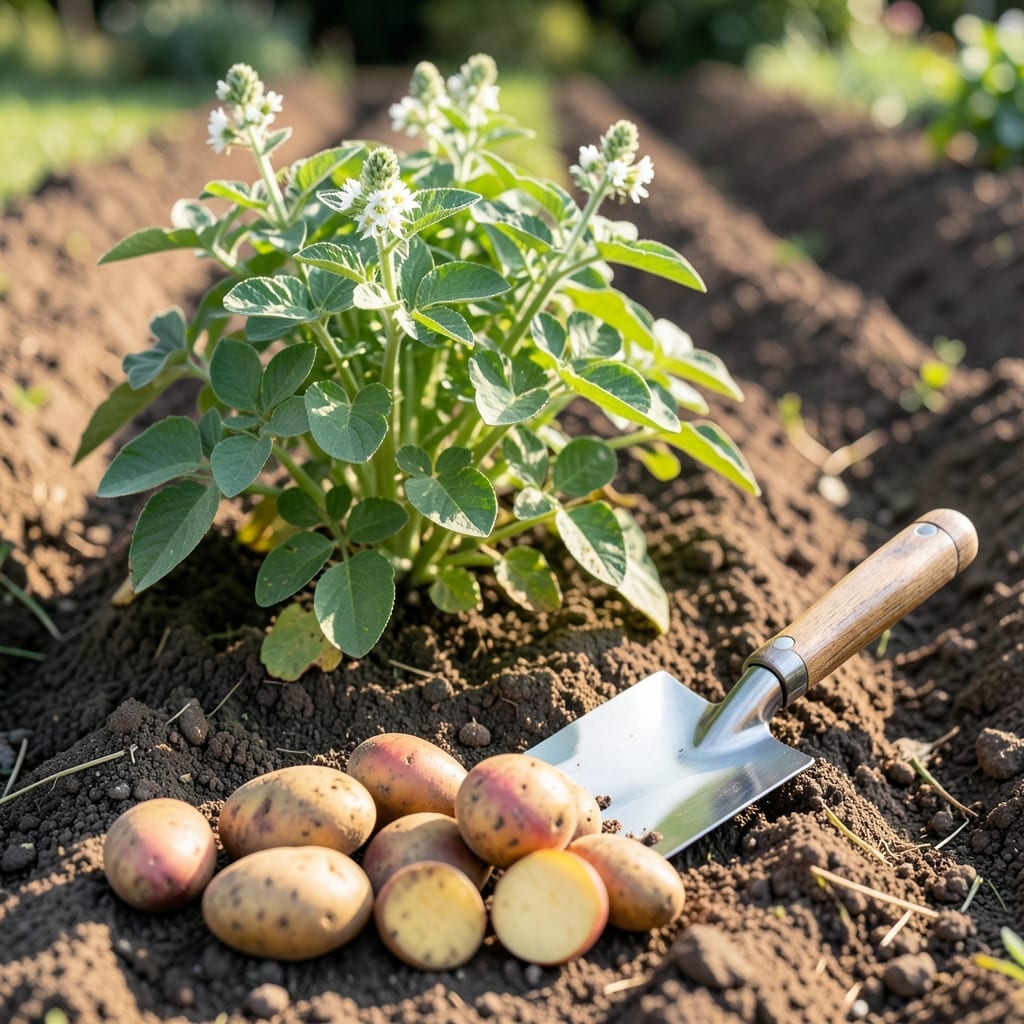
Timing is everything when it comes to planting Potato 🥔 in South Georgia’s warm climate. Plant too early or too late, and you risk poor yields or disease.
Zone 8b offers a unique growing window that many gardeners overlook. The key is working with the region’s mild winters and early springs.
I’ve tested different approaches in my own garden, and the sweet spot for planting is clearer than you might think. It’s all about beating the heat while giving your spuds enough time to mature.
Discover the exact timing that will set you up for a bountiful harvest of homegrown Potatoes this season.
In South Georgia’s Zone 8, timing your potato planting is crucial for a successful harvest. The region’s mild winters and hot summers create a unique growing window. I’ve found early spring offers the best conditions for tuber development before the heat sets in.
For spring planting, aim for February to March, about 2-3 weeks before the last frost date of March 15. This gives your seed potatoes time to establish before summer’s intense heat.
| Planting Window | Key Details |
|---|---|
| Early Spring | Feb-March | 2-3 weeks before last frost |
| Late Winter | January | For early varieties only |
| Soil Temp | 45°F minimum for seed pieces |
| Harvest | May-June | 70-120 days after planting |
A fall crop is possible in South Georgia but requires careful timing. Plant in late August to early September for a winter harvest, but be prepared to protect young plants from potential early frosts.
The soil temperature is your best planting indicator. I always check that it’s consistently at or above 45°F at a 4-inch depth before planting. Use a soil thermometer for accuracy rather than guessing.
South Georgia’s sandy loam soil warms up quickly in spring, which is ideal for potatoes. However, this soil type also drains fast, so I recommend adding organic matter to improve moisture retention while maintaining good drainage.
For early varieties like Yukon Gold or Red Pontiac, you can plant as early as mid-January in protected areas. These mature faster, often in 70-90 days, beating the summer heat.
Late varieties such as Kennebec or Russet do best with a February planting. They need the full 120-day growing season and can handle slightly warmer temperatures as they mature.
Remember that South Georgia’s humidity can increase disease pressure. Planting in the recommended windows helps avoid the peak humidity of late summer while still allowing for proper tuber development.
I’ve had great success with successive plantings every 2-3 weeks from February through early March. This staggers your harvest and extends your fresh potato enjoyment throughout the spring and early summer. ☀️
Preparing your soil and seed potatoes correctly is crucial for success in South Georgia’s unique climate. The region’s sandy loam drains quickly, so I always amend with organic matter to retain moisture and nutrients.
Start by testing your soil pH, aiming for a slightly acidic range of 5.0 to 6.5. This helps prevent scab disease and promotes healthy tuber growth. I use a simple home test kit for quick results.
I’ve found that chitting seed potatoes (sprouting them indoors) gives them a head start. Place them in a bright, cool spot for 2-3 weeks before planting. This step is especially helpful in South Georgia’s early spring.
For disease prevention, I always use certified seed potatoes from reputable suppliers. Grocery store potatoes may carry diseases that can spread in your garden. In our humid climate, this precaution is non-negotiable.
After planting, mulch heavily with straw or leaves to maintain soil moisture and suppress weeds. This is particularly important in South Georgia, where summer heat can stress young plants.
Finally, remember that consistent watering is key. Aim for 1-2 inches per week, especially during tuber formation. I water in the early morning to reduce evaporation and fungal risks.
🌱