
Beautiful Plants For Your Interior
Beautiful Plants For Your Interior
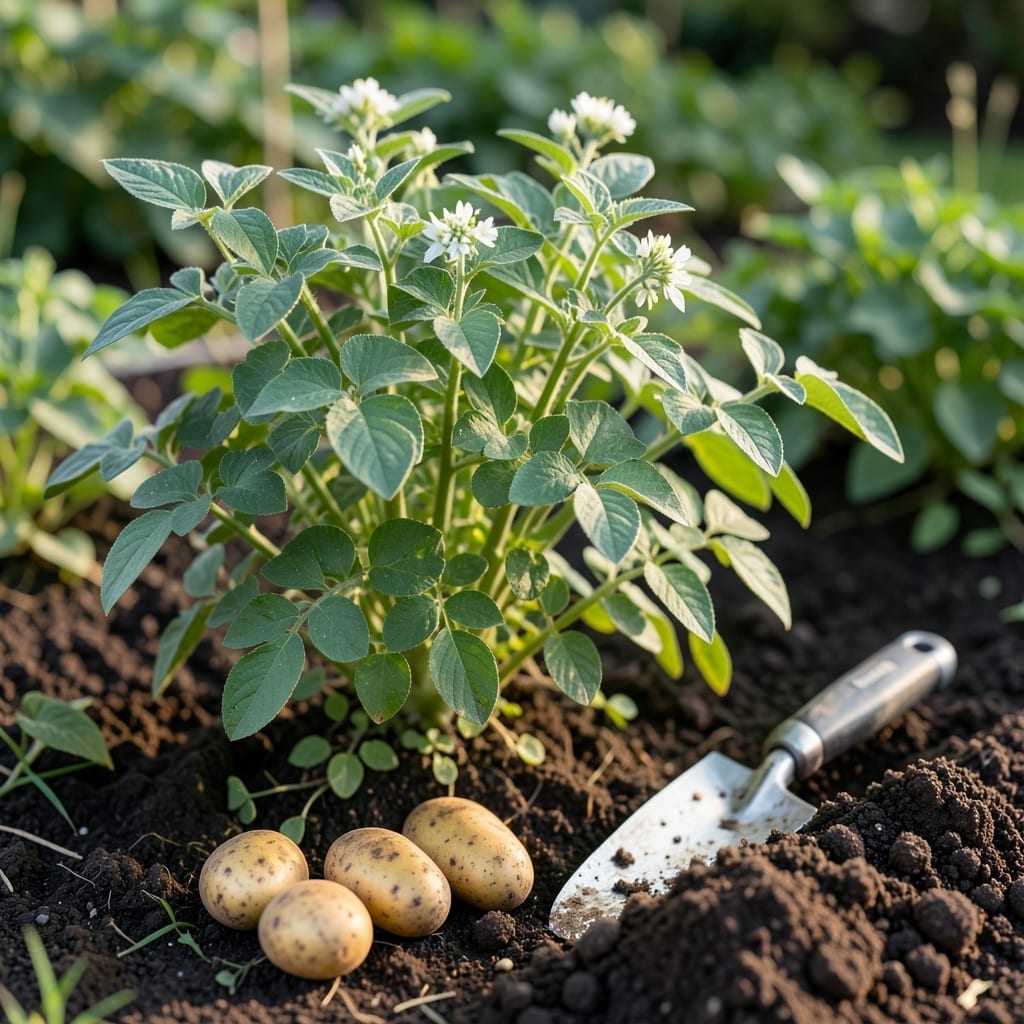
Timing is everything when you’re growing 🥔 Potato in South East Queensland. This subtropical region’s unique climate means you can’t just plant anytime and expect great results.
Get it wrong, and you risk frost damage or stunted growth. But get it right, and you’ll enjoy a bountiful harvest when others are struggling with poor yields.
I’ve spent years figuring out the perfect window for planting Potato here in zone 10a. The good news? There’s a clear sweet spot that works every time.
Let me show you exactly when to get those tubers in the ground for the best results. Your future harvest will thank you.
South East Queensland’s subtropical climate offers a unique window for potato planting. The region’s frost-free periods and warm soil make timing crucial for a bountiful harvest. I’ve found that autumn and winter are the sweet spots here. 🌱
For best results, aim to plant during March to April. This aligns with cooler temperatures and reduced risk of heat stress, which can stunt tuber development. Soil temperature should ideally be between 7-10°C for optimal growth. ☀️
| Season | Planting Window | Key Consideration |
|---|---|---|
| Autumn | March – April | Cool soil, low frost risk |
| Winter | May – June | Mild temps, consistent moisture |
| Spring | August – September | Avoid late planting (heat risk) |
The autumn planting window is my top recommendation. It avoids the summer heat that can cause disease pressure and ensures tubers develop before the wet season begins. Early varieties like ‘Kennebec’ thrive in this period. 🌿
If you miss autumn, winter planting is your next best option. The cooler months provide stable conditions, but watch for excess moisture. Ensure your soil is well-draining to prevent rot. I use raised beds for better control.
Spring planting is riskier but possible with early-maturing varieties. Plant no later than September to avoid the summer heatwave that can scorch foliage. Mulching heavily helps regulate soil temperature in this season.
Remember, soil preparation is key year-round. I always test my soil’s pH level (aim for 5.0-6.5) and add organic compost before planting. This boosts nutrient availability for your spuds. ✂️
The harvest window typically falls 90-120 days after planting. In South East Queensland, that often means a winter or early spring harvest. Look for yellowing foliage as your signal that tubers are ready.
For successive crops, try staggering plantings every 4-6 weeks during the ideal windows. This extends your harvest season and ensures a steady supply. I’ve had great luck with this approach in my own garden.
Finally, always source disease-free seed potatoes from reputable suppliers. In our humid climate, certified seed stock reduces the risk of introducing fungal diseases that could devastate your crop. 🌱
Choosing the right potato variety is just as important as timing in South East Queensland. The region’s subtropical climate favors types that can handle heat and humidity without sacrificing yield. I’ve tested many varieties over the years. 🌱
Early varieties like ‘Kennebec’ and ‘Sebago’ are my top picks for autumn planting. They mature quickly, often in 70-90 days, which helps avoid the wet season that follows winter. ☀️
‘Pontiac’ is another excellent choice for winter planting. Its early maturity means you can harvest before the summer heat sets in. I love its consistent size and smooth skin. 🌿
For those who prefer spring planting, ‘Dutch Cream’ is a standout. It handles warmer temperatures better than most and produces buttery, rich tubers. Just ensure you plant early to avoid heat stress.
‘Nadine’ is perfect for gardeners wanting a low-maintenance option. It’s disease-resistant and thrives in our humid conditions. Plus, its waxy texture holds up well in storage. ✂️
Always select certified seed potatoes to avoid introducing diseases. I source mine from local nurseries that specialize in subtropical varieties. This ensures my crops start strong and stay healthy throughout the growing season.