
Beautiful Plants For Your Interior
Beautiful Plants For Your Interior
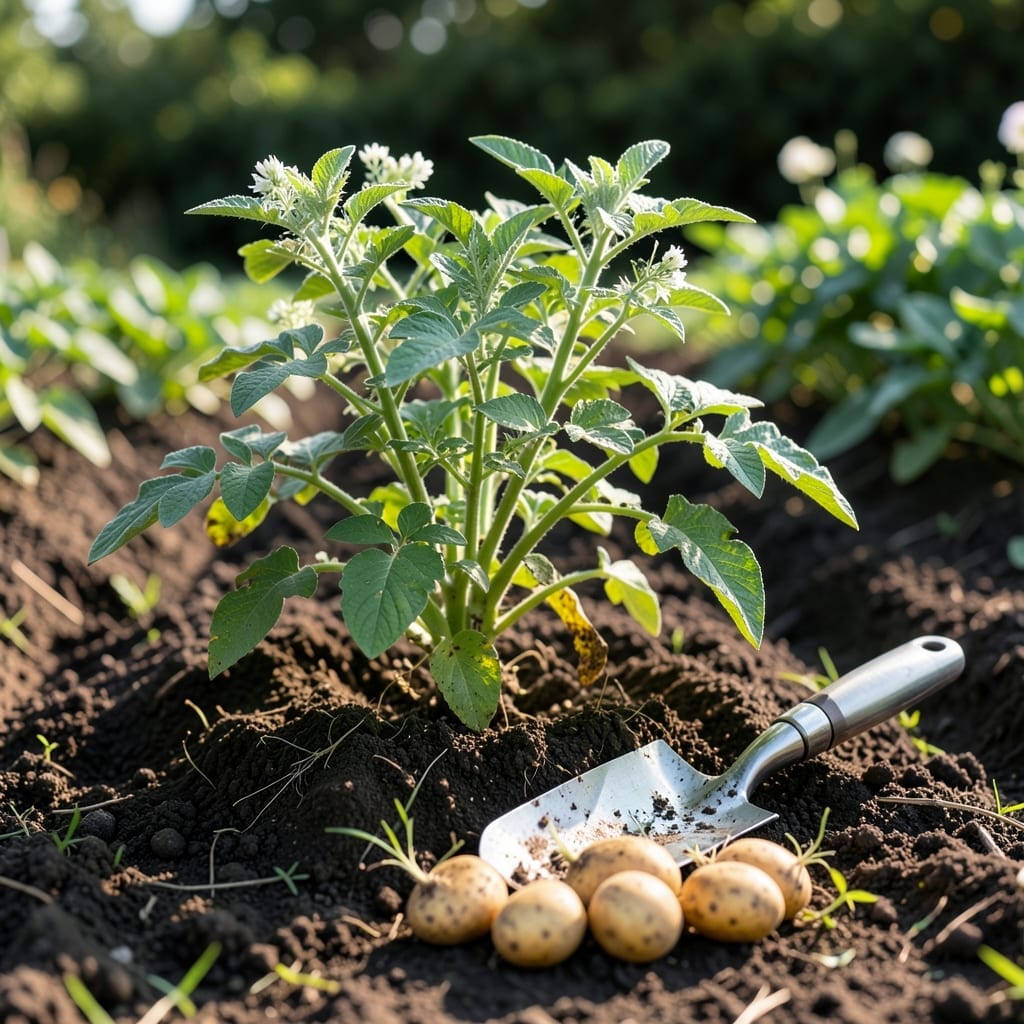
Timing is everything when planting Potato in Seattle’s unique maritime climate. Plant too early and frost may ruin your crop; too late and you’ll miss the ideal growing window.
The 8b zone offers a generous growing season, but understanding the nuances can mean the difference between a mediocre harvest and a bumper crop. I’ve learned the hard way that March – April is the sweet spot.
Seattle’s cool springs and mild summers create perfect conditions for 🥔, but timing your planting right is the key to success. Whether you’re a seasoned gardener or just starting out, nailing this window sets you up for success.
Let me walk you through everything you need to know to get your Potato patch off to the best start this season. The results will speak for themselves.
Seattle’s USDA Zone 8b climate gives us a long growing season, but potatoes need precise timing. The ideal window is March to April, when soil warms to 45°F and frost risk drops.
I’ve found that early varieties like Yukon Gold do best planted in mid-March, while late-season types thrive when started in early April. This timing avoids both late frosts and summer drought.
| Variety | Planting Time | Harvest Window | Days to Maturity |
|---|---|---|---|
| Early (Yukon Gold) | Mid-March | June-July | 60-70 |
| Mid-Season (Red Pontiac) | Late March | July-August | 90-100 |
| Late (Kennebec) | Early April | August-September | 110-120 |
For new potatoes, you can plant as early as February if you’re using row covers to protect from cold snaps. Just be ready to mulch heavily if temperatures dip.
Seattle’s cool springs are perfect for potatoes, but I always check the 10-day forecast before planting. A sudden cold spell can set back your crop by weeks.
The last average frost in Seattle is April 15, so planting 2-3 weeks before this date gives your potatoes a head start while minimizing risk.
If you miss the spring window, don’t worry—you can plant a second crop in late July for a fall harvest. Just be sure to choose fast-maturing varieties.
I’ve had great success with container gardening for potatoes. It’s ideal for Seattle’s small spaces and lets you control soil temperature more easily. Just ensure your containers have good drainage.
Remember, potatoes need full sun (at least 6 hours daily) and loose, well-draining soil. I always amend my beds with compost before planting to give my spuds the best start.
Finally, keep an eye on soil moisture. Seattle’s spring rains can be deceiving—potatoes need consistent moisture but hate waterlogged soil. A drip irrigation system works wonders here. ☀️
Seattle’s maritime climate creates unique conditions for growing potatoes. The cool, wet springs and mild summers mean we can plant earlier than many regions, but timing is still crucial to avoid frost damage and maximize growth.
The last frost date around April 15 is my baseline, but I watch soil temps closely. When the earth reaches 45°F, it’s go time for seed potatoes. The consistent rainfall means less irrigation early on.
🌱 Climate Tip: Seattle’s cool summers prevent soil from overheating, which is ideal for potatoes. However, our long spring rains can delay planting if the soil stays too soggy.
Microclimates matter in Seattle. My sunny slope warms up faster than my neighbor’s shady yard. If you’re in a cooler pocket, wait until late April to plant. Those in warmer areas can start in early March.
The 180 frost-free days give us flexibility, but early varieties do best here. I aim to harvest before the October rains set in, which can make digging muddy and increase disease risk.
Watch for temperature swings in early spring. A sudden cold snap can stunt young plants. I use row covers for protection if forecasts dip below 32°F after planting.
The consistent moisture reduces watering chores, but I still check soil regularly. Potatoes hate waterlogged roots, so well-draining beds are a must in our rainy climate.
Our cool nights help prevent common issues like heat stress, but they can also slow early growth. Patience pays off when the tubers form in our mild summer conditions. 🌱