
Beautiful Plants For Your Interior
Beautiful Plants For Your Interior
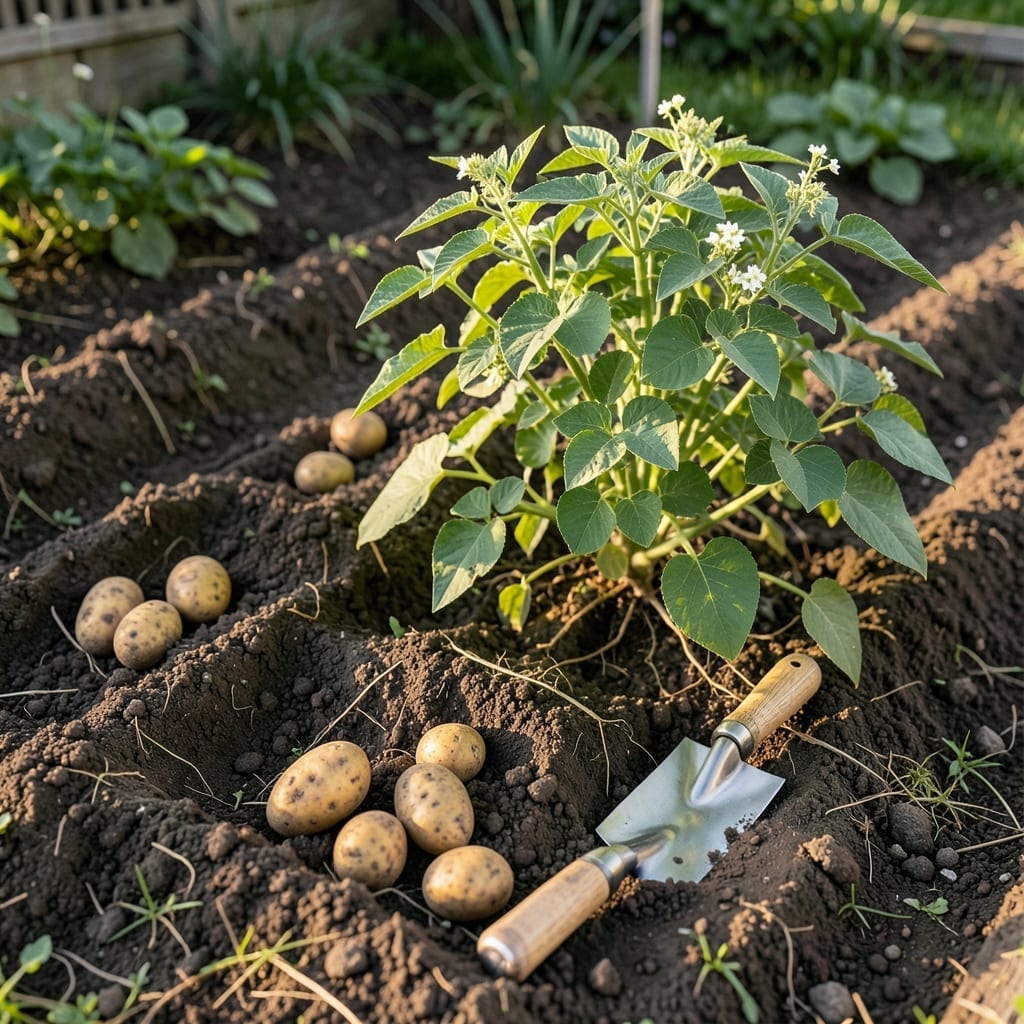
Planting potatoes in Portland Oregon at the right time can mean the difference between a meager harvest and a bumper crop of 🥔 spuds. The city’s unique maritime climate offers a long growing season.
But timing is everything to avoid frost damage and maximize yield. I’ve learned that getting this right can transform your gardening results.
In Zone 8b, the window is narrow but rewarding. You’ll want to start when the soil is just right – not too cold, not too wet.
Let me show you exactly when to plant for the biggest harvests, with tips tailored specifically for Portland’s conditions.
Timing your potato planting in Portland is crucial for a successful harvest. The city’s USDA Zone 8b climate allows for a long growing season, but you need to consider the last frost date and soil temperature carefully. 🌱
For best results, aim to plant 2-3 weeks before the last frost, which typically falls between March 15-30 in Portland. The ideal soil temperature should be between 45-55°F for seed potatoes to thrive.
Portland’s maritime climate means we often have cool, wet springs. I recommend using a soil thermometer to check conditions before planting. If the soil is too cold or waterlogged, your seed potatoes may rot instead of sprouting. ☀️
For early varieties like Yukon Gold or Red Norland, you can start as early as late March if the soil is workable. These mature quickly, giving you new potatoes by early summer. Mid-season varieties do best when planted in early April.
The urban heat island effect in downtown Portland can create microclimates that are 5-10°F warmer than suburban areas. If you’re gardening in the city center, you might be able to plant 1-2 weeks earlier than in cooler outlying areas.
Remember that late frosts can still occur in April. I always keep frost cloth or row covers handy to protect young plants if temperatures dip below 32°F. This simple precaution can save your entire crop. 🌿
For second crop potatoes, you can plant again in mid-July for a fall harvest. Choose fast-maturing varieties and be sure to harvest before the first frost in mid-October. This technique works well in Portland’s mild climate.
Soil preparation is just as important as timing. I amend my beds with compost and ensure good drainage to prevent waterlogging. Potatoes thrive in loose, well-draining soil with a pH between 5.0-6.5. A simple soil test can help you adjust conditions before planting.
Finally, consider succession planting to extend your harvest. By planting early, mid, and late varieties at different times, you can enjoy fresh potatoes from your garden for months. This approach takes advantage of Portland’s long growing season beautifully.
In Portland, I’ve found that row covers can give your potatoes a 2-3 week head start in early spring. They protect young plants from those unpredictable late frosts we often see in March and April.
The city’s mild winters also allow for overwintering certain hardy varieties. I’ve successfully left some potatoes in the ground through winter with a thick layer of straw mulch for insulation.
For container gardening, I recommend using 5-gallon buckets or fabric grow bags. They’re perfect for balconies and small spaces common in Portland. Just ensure they have good drainage to prevent waterlogging.
Succession planting is another great strategy. I plant a new batch every 3 weeks starting in early March. This staggers my harvest and ensures I have fresh potatoes from June through August.
Remember that Portland’s microclimates can vary significantly. Areas near the river might be cooler, while downtown can be 5-10°F warmer. I always check my specific area’s conditions.
Finally, don’t forget about soil preparation. Portland’s clay soil benefits from added compost and sand to improve drainage, which is crucial for healthy potato growth.
☀️