
Beautiful Plants For Your Interior
Beautiful Plants For Your Interior
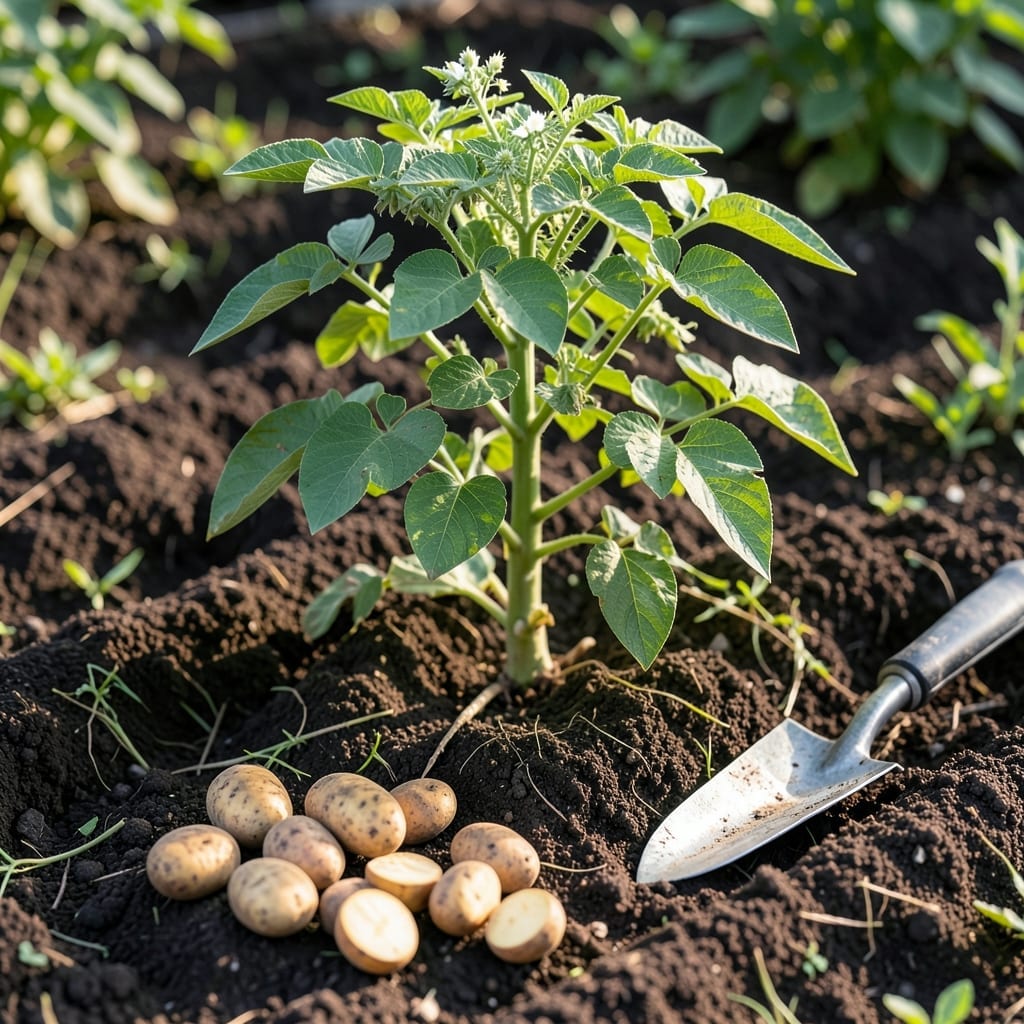
Timing your potato planting in Minnesota’s Zone 4a climate can mean the difference between a bountiful harvest and a disappointing yield. Get it right, and you’ll enjoy fresh, homegrown 🥔 all season long.
I’ve seen too many gardeners rush the process, only to watch their Potato plants struggle in cold soil. The key is patience and understanding your local conditions.
In MN, timing aligns with spring’s arrival, but there’s more to it than just the calendar. Soil temperature and frost dates play the key roles in your success.
Discover the precise window to plant and how to prepare for the best results. Let’s dig into the details that will set your garden up for success.
In Minnesota’s Zone 4 climate, timing is everything for potato planting. The sweet spot is when soil temps hit 45-55°F, usually 2-3 weeks before the last frost date.
For most of Minnesota, that means mid-April to early May. Early varieties can go in late March if the ground is workable, while late varieties thrive when planted by mid-May.
| Variety | Planting Window | Days to Maturity |
|---|---|---|
| Early (Yukon Gold) | Late March – Early April | 60-70 days |
| Mid-Season (Red Pontiac) | Mid-April – Early May | 90-110 days |
| Late (Kennebec) | Early – Mid May | 110-135 days |
I always check the 10-day forecast before planting. A sudden cold snap can stall growth or even damage seed potatoes. If temps dip below 40°F, I cover my rows with row cloth for protection.
Soil prep is just as critical as timing. Loose, well-draining soil prevents rot and encourages tuber formation. I work in 2-3 inches of compost and avoid fresh manure, which can cause scab disease.
Seed selection matters too. I only use certified disease-free potatoes from reputable suppliers. Grocery store spuds often carry viruses that can ruin your crop. For best results, I cut larger seed potatoes into 2-inch pieces with at least 2 eyes each.
After cutting, I let the pieces cure for 24-48 hours to form a protective callus. This simple step reduces rot risk significantly. Plant pieces 4 inches deep and 12 inches apart in rows spaced 30-36 inches apart.
Minnesota’s unpredictable springs can test any gardener’s patience. I’ve learned to wait until the soil is dry enough to work—soggy soil compacts easily and suffocates roots. A quick test: squeeze a handful of soil. If it crumbs apart, it’s ready.
For those eager to extend the season, container growing is a great option. I’ve had success with 5-gallon buckets or fabric grow bags. Just ensure containers have drainage holes and use a light, airy potting mix.
Remember, potatoes are cool-season crops. They’ll stop forming tubers when temps consistently hit 80°F. That’s why early planting is key in Minnesota’s short growing season.
With the right timing and care, you’ll be reward with a bountiful harvest of homegrown spuds perfect for storing or enjoying fresh from the garden 🌱
For the best potato harvest in Minnesota’s Zone 4, I focus on soil prep and seed selection. Start by choosing certified disease-free seed potatoes to avoid common issues.
I always cut larger seed potatoes into 2-inch pieces with at least one “eye” per piece. Let them cure for 24 hours before planting to prevent rot in our cool, moist soil.
In Minnesota, I’ve found early varieties like Yukon Gold do best when planted 2-3 weeks before our last frost date, typically around April 15-30.
For maximum yield, I plant in full sun and ensure well-draining soil. Our heavy clay can be a challenge, so I often use raised beds to improve drainage.
Finally, I mulch heavily with straw to conserve moisture and suppress weeds. This is especially important in our dry summer months when consistent watering becomes crucial for tuber development. 🌱