
Beautiful Plants For Your Interior
Beautiful Plants For Your Interior
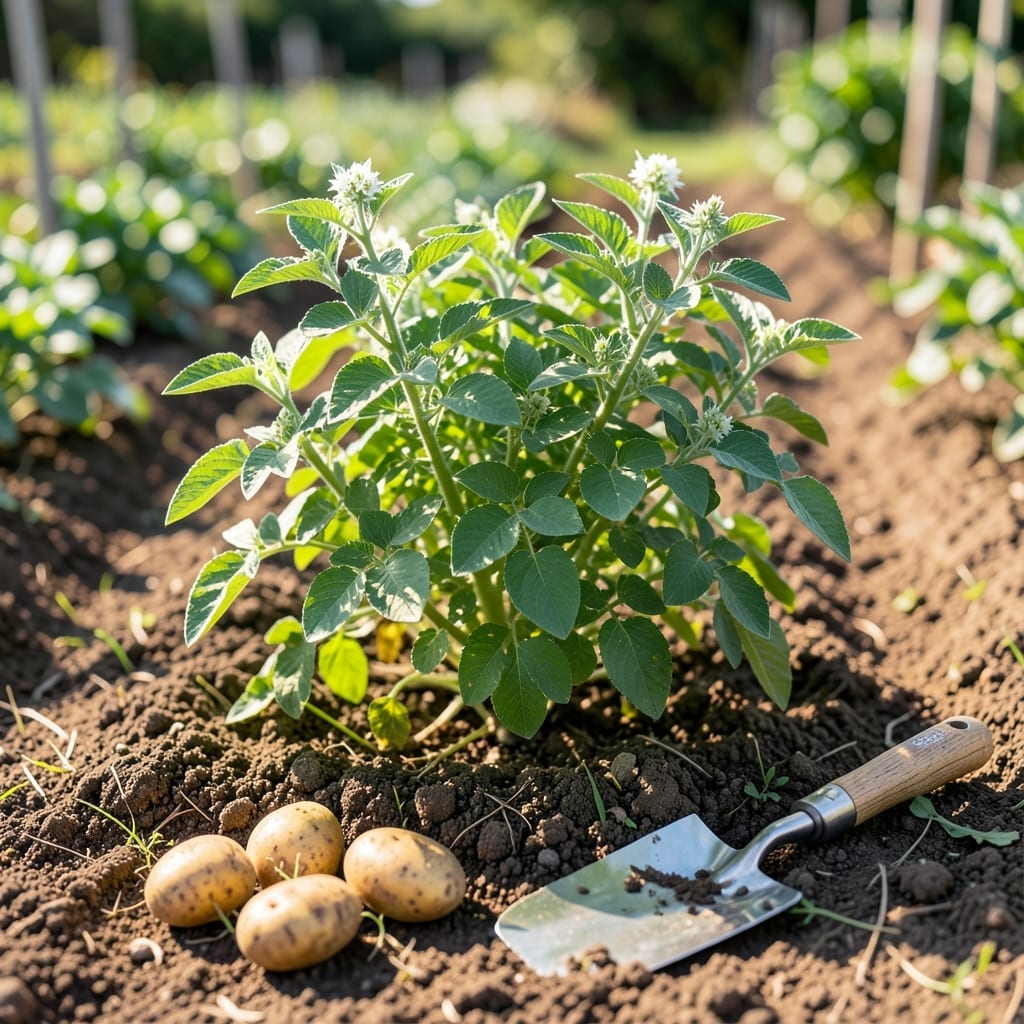
Las Vegas’ desert climate presents unique challenges for growing potatoes, but timing your planting right can yield a bountiful harvest even in the dry heat.
The 🥔 Potato thrives when planted during the cooler months, avoiding the intense summer sun that can stress the plants. This timing is crucial for success in our 8b zone.
I’ve tested various approaches in my own garden, and what I’m about to share will help you avoid common pitfalls. Whether you’re a beginner or seasoned gardener, these insights are game-changers.
Discover the exact window to plant and how to prepare your soil for the best results. Let’s get your Potato crop off to the right start.
Las Vegas’ desert climate means timing is everything for potatoes. The best windows are early spring and fall, when temps are mild and soil stays cool enough for tubers to thrive.
I’ve found January to February works perfectly for spring planting, giving potatoes 60-90 days to mature before summer heat kicks in. For a fall harvest, aim for late August to September planting.
| Planting Window | Soil Temp | Harvest Time |
|---|---|---|
| January-February | 45-55°F | April-May |
| August-September | 60-70°F | November-December |
In USDA Zone 8b, Las Vegas has a last frost date around March 15. Plant 4-6 weeks before this date so tubers form before heat exceeds 85°F, which can stunt growth.
The fall planting window is shorter but equally effective. September planting lets potatoes mature as temps cool, avoiding both summer heat and early frost risks.
For best results, I recommend early varieties like Yukon Gold or Red Pontiac. These mature in 60-75 days, perfect for squeezing in a crop between temperature extremes.
Soil temperature is critical. Use a soil thermometer to confirm 45°F minimum before planting. In Las Vegas, this often means late January for spring crops and early September for fall.
If you miss the ideal windows, December or March can work but require extra care. December plantings may need row covers for frost protection, while March plantings risk heat stress.
Remember, consistent moisture is key in our arid climate. Potatoes need 1-2 inches of water weekly, especially during tuber formation. Drip irrigation works best to avoid wetting foliage.
With the right timing, you’ll be rewarded with healthy plants and a bountiful harvest. Las Vegas gardeners can absolutely grow great potatoes—it’s all about working with the climate, not against it. ☀️
I always mark my planting dates on a calendar and set reminders for harvest time. This simple step ensures I never miss the optimal windows for my potato crops. 🌱
Preparing your Las Vegas soil for potatoes means tackling its sandy texture and low organic matter. I always amend with compost and aged manure to boost fertility and moisture retention.
For desert conditions, choose heat-tolerant varieties like Yukon Gold or Red Pontiac. These handle our intense sun better than others. Pre-sprouting seed potatoes in a cool, bright spot gives them a head start.
🌱 Key Preparation Steps:
Our sandy soil drains quickly, so drip irrigation is my go-to. It delivers water directly to roots while minimizing evaporation. I set mine on a timer for early mornings to reduce losses to the desert air.
Don’t skip soil testing. Potatoes prefer a slightly acidic pH between 6.0-6.5. In Las Vegas, I often find my soil is alkaline, so I add sulfur or peat moss to adjust it.
Cutting seed potatoes into golf-ball-sized pieces with at least one eye each speeds up the process. Let them heal over for a day or two before planting to prevent rot in our warm soil.
Finally, plant in trenches about 4-6 inches deep, spacing pieces 12 inches apart. As plants grow, I mound soil around the stems to encourage more tuber formation and protect them from sunburn.
This method has given me the best yields in our challenging climate ✂️