
Beautiful Plants For Your Interior
Beautiful Plants For Your Interior
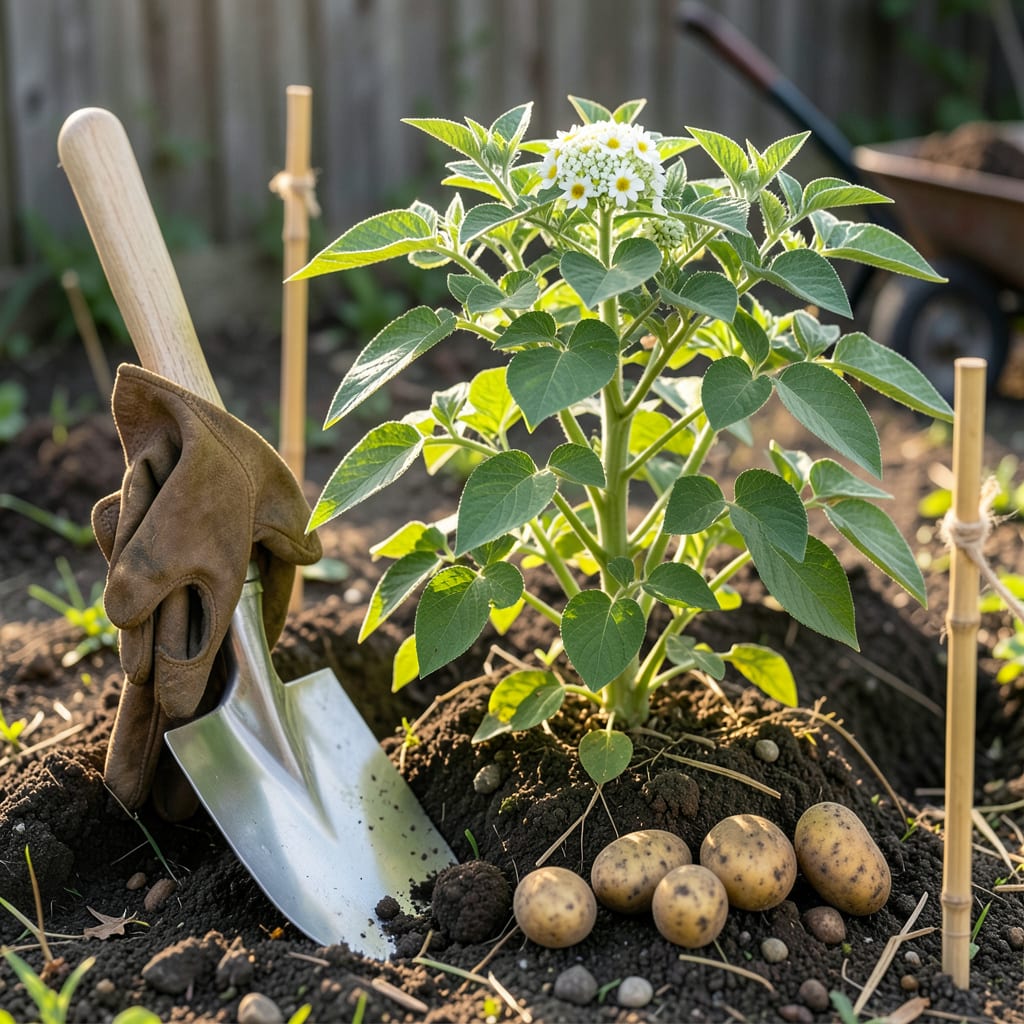
Timing your fall potato planting in Georgia can mean the difference between a bountiful harvest and a disappointing yield. Plant too early, and the summer heat may stunt growth; wait too long, and early frosts could damage your crop.
After years of testing different approaches, I’ve found the optimal window for Georgia’s diverse climate zones. Whether you’re in the Piedmont or Coastal Plain, I’ll show you exactly when to get those 🥔 in the ground for the best results this season.
If you’re wondering when to plant potatoes in Georgia fall, timing is your secret weapon. Georgia’s diverse climate means what works in the Piedmont region won’t always suit the Coastal Plain. I’ve found that soil temperature is the game-changer—aim for 50-70°F for best results.
In the Piedmont, where first frosts hit earlier, you’ll want to plant mid-August to early September. But along the Coastal Plain, with its milder winters, late September to early October gives your spuds the perfect head start before cooler weather.
| Region | Planting Window | First Frost Date | Soil Temp Threshold | Variety Recommendation |
|---|---|---|---|---|
| Piedmont | Mid-August to Early Sept | Oct 15–Nov 1 | 50–70°F | Yukon Gold, Kennebec |
| Coastal Plain | Late Sept to Early Oct | Nov 15–Dec 1 | 55–75°F | Red LaSoda, Pontiac |
| Mountains | Early to Mid-August | Oct 1–Oct 15 | 45–65°F | Russet, Fingerling |
Why does this timing matter? Plant too early in August heat, and your seed potatoes may rot before sprouting. Wait too long, and frost damage can ruin developing tubers. I always check the 10-day forecast before planting to avoid unexpected heatwaves.
For Piedmont gardeners, the sweet spot is August 15–September 5. This gives your potatoes 90–100 days to mature before the first hard frost. In the Coastal Plain, you can push planting to October 1 since frosts arrive later.
Don’t forget soil prep! I loosen my soil to 12 inches deep and mix in 2–3 inches of compost. Potatoes thrive in loose, well-draining soil—compacted earth leads to misshapen tubers. A pH of 5.0–6.5 is ideal for Georgia’s acidic soils.
When selecting seed potatoes, choose certified disease-free varieties from reputable suppliers. I avoid grocery store potatoes, as they’re often treated with sprout inhibitors. For Piedmont, Yukon Gold resists scab, while Red LaSoda handles Coastal Plain humidity.
After planting, maintain consistent moisture—about 1–1.5 inches per week. Too much water causes rot; too little leads to knobby potatoes. I use drip irrigation on a timer to keep it steady. Mulch with straw or pine needles to retain moisture and suppress weeds.
Watch for pests like wireworms and diseases such as late blight, especially in humid falls. I apply neem oil preventatively and rotate crops yearly. If you notice yellowing leaves or black spots, act fast to save your crop.
Harvest when vines die back or after the first light frost. Use a fork to gently lift tubers, being careful not to pierce them. Cure potatoes in a dark, humid spot for 10–14 days before storing in a cool, dry place.
By following these region-specific timelines and care tips, you’ll be rewarded with a bountiful harvest of homegrown Georgia potatoes—perfect for storing through winter. Happy planting! 🥔
Even with perfect timing, small errors can sabotage your fall potato harvest in Georgia. I’ve seen gardeners lose entire crops by overlooking key details. The most common mistake? Ignoring soil moisture after planting—either drowning seeds or letting them dry out.
Another frequent issue is misjudging frost dates. Piedmont gardeners often plant too late, while Coastal Plain growers sometimes plant too early. Remember: potatoes need 90–120 days to mature before frost hits. Always cross-check your local frost dates with UGA Extension data.
Another overlooked mistake is poor spacing. Crowded plants compete for nutrients, yielding small tubers. I plant seed pieces 12 inches apart in rows 30 inches apart, with 4–6 inches of soil covering them. This gives roots room to expand without tangling.
Improper hilling also reduces yields. Potatoes form along stems, so I mound soil around plants every 2–3 weeks until hills reach 6–8 inches tall. Skipping this step exposes tubers to greening (toxic solanine buildup) and pest damage.
Many gardeners forget to adjust care as days cool. In October, I reduce watering to 0.5 inches weekly to toughen skins for storage. I also stop fertilizing 4 weeks before harvest to prevent cracked tubers. A final potassium boost (0-0-50 fertilizer) helps plants harden off.
Harvest timing errors are equally costly. Digging too early yields thin-skinned potatoes that bruise easily; waiting too long risks frost-damaged tubers. I harvest when vines die back or after the first light frost, using a fork to gently lift tubers without piercing them.
By avoiding these five critical mistakes, you’ll dramatically improve your fall potato success in Georgia. Small adjustments in variety selection, watering discipline, and pest vigilance can double your yield. Next season, you’ll be pulling up basketfuls of perfect spuds! 🥔
Choosing the right potato variety for Georgia’s fall planting can make or break your harvest. Not all spuds thrive in our humid climate and variable soil types. After testing dozens of varieties, I’ve identified the top performers for each region—focusing on disease resistance, yield potential, and storage life.
In the Piedmont region, where cooler fall temperatures arrive earlier, I recommend early-maturing varieties like Yukon Gold and Kennebec. These handle the shorter growing season while resisting common issues like potato scab. Coastal Plain gardeners should opt for heat-tolerant varieties like Red LaSoda or Pontiac Red, which thrive in the warmer, more humid conditions.
| Variety | Best Region | Days to Maturity | Disease Resistance | Storage Life | Flavor Profile |
|---|---|---|---|---|---|
| Yukon Gold | Piedmont | 70-90 days | Scab, Virus A | 3-4 months | Buttery, medium-moisture |
| Red LaSoda | Coastal Plain | 90-110 days | Fusarium, Southern Blight | 4-5 months | Firm, slightly sweet |
| Kennebec | Statewide | 80-100 days | Common Scab, PVY | 5-6 months | Classic white, all-purpose |
| Pontiac Red | Coastal Plain | 85-100 days | Late Blight, Heat Stress | 3-4 months | Moist, slightly waxy |
| German Butterball | Piedmont | 90-110 days | Scab, Early Blight | 4-5 months | Rich, buttery yellow |
For disease resistance, Kennebec stands out statewide with its virus resistance and storage longevity. It’s my go-to for reliable yields, even in less-than-perfect conditions. If you’re in the Coastal Plain, Red LaSoda is unbeatable for heat tolerance and Southern blight resistance—critical in our humid falls.
Storage life matters if you want to enjoy your harvest for months. Kennebec and German Butterball store exceptionally well (up to 6 months in proper conditions), while Yukon Gold is best used within 3-4 months. For immediate eating, Pontiac Red offers excellent fresh flavor but shorter storage.
When selecting varieties, consider your culinary goals too. Yukon Gold and German Butterball excel for mashing and roasting, while Kennebec is the classic all-purpose potato. For salads or boiling, Red LaSoda and Pontiac Red hold their shape beautifully after cooking.
Potatoes thrive when soil temperatures are between 50-70°F. In Georgia, this typically occurs from mid-August to early October, depending on your region. Use a soil thermometer to check conditions before planting.
It’s risky! Store-bought potatoes are often treated with sprout inhibitors and may carry diseases. Always use certified seed potatoes from reputable suppliers for best results. Disease-free varieties like Yukon Gold or Kennebec ensure a healthy crop.
Plant seed pieces 4-6 inches deep in loose, well-draining soil. Space them 12 inches apart in rows 30 inches apart to allow room for hilling. This depth protects against temperature swings while giving roots space to expand.
The most common error is overwatering after planting. Potatoes need 1-1.5 inches of water weekly, but soggy soil causes rot. Use drip irrigation and check moisture levels with your finger—water only when the top 2 inches feel dry.
Apply 4-6 inches of straw or pine needle mulch around plants when frost threatens. This insulates soil and protects developing tubers. In Piedmont, be ready by mid-October; Coastal Plain gardeners have until early November typically.
