
Beautiful Plants For Your Interior
Beautiful Plants For Your Interior
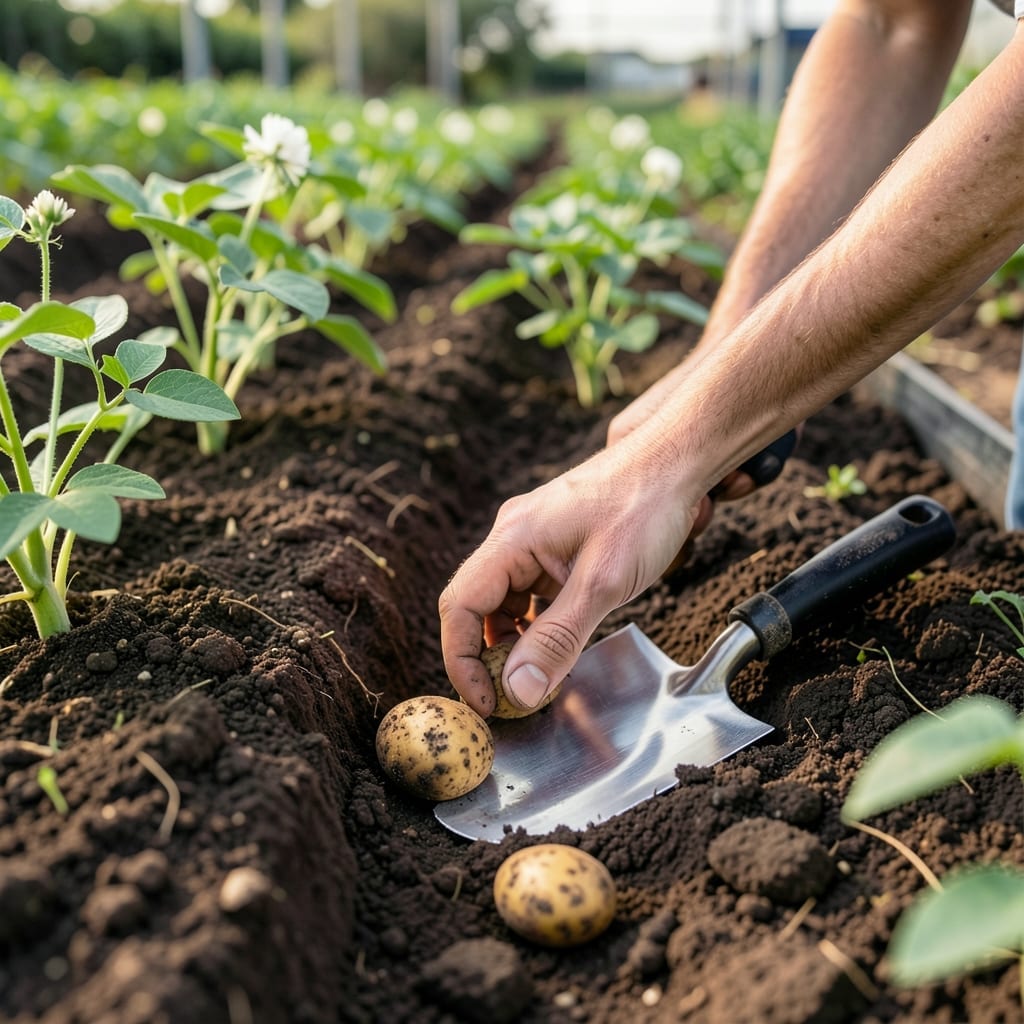
Planting Potato 🥔 in fall can yield a bountiful spring harvest, but timing is everything. Get it right, and you’ll enjoy fresh, homegrown spuds months before your neighbors even start planting.
I’ve learned that in Zone 6, the sweet spot is September to October. This window ensures your tubers mature before the first frost, setting the stage for a successful crop.
What many don’t realize is how crucial soil temperature and preparation are. Skip these steps, and you risk stunted growth or even losing your plants to winter’s chill.
Discover the exact timing and techniques to ensure your fall-planted Potato thrive. Let’s dig into the details that make all the difference.
Timing your fall potato planting correctly can mean the difference between a thriving spring harvest and a failed crop. I’ve found that USDA zones play a huge role in determining the best window.
In cooler zones like 3-5, you’ll want to plant 4-6 weeks before your first frost date to give tubers time to mature before winter hits. This usually falls in late August to early September for most gardeners in these areas.
| USDA Zone | Planting Window | Notes |
|---|---|---|
| 3-4 | Late August | Plant 6 weeks before frost |
| 5-6 | Early September | Aim for 5 weeks pre-frost |
| 7-8 | Mid-September | Soil temp should be 60-70°F |
| 9-10 | Late September to October | Mild winters allow later planting |
For moderate zones like 6-7, I recommend planting in early to mid-September. The soil stays warm longer here, giving your potatoes extra time to develop before cold weather sets in.
Gardeners in warmer zones (8-10) have more flexibility. You can plant as late as October, but watch your local frost dates closely. I’ve seen great success with Yukon Gold and Red Pontiac varieties in these areas.
Remember, soil temperature is just as important as air temperature. Potatoes need 60-70°F soil to sprout properly. Use a soil thermometer to check—it’s a game-changer for precise timing.
If you’re in zone 3-4, consider mulching heavily after planting. A thick layer of straw or leaves will insulate the soil and protect your crop from early frosts.
For zone 9-10, you might even get away with a winter harvest. The key is to plant early-maturing varieties and keep an eye on soil moisture, as these areas can be surprisingly dry in fall.
I always remind fellow gardeners that local microclimates matter. A south-facing slope or urban heat island can extend your planting window by weeks. When in doubt, ask local growers for their tried-and-true timings.
No matter your zone, avoid planting when soil temps drop below 50°F. The tubers won’t form properly, and you’ll end up with small, stunted potatoes come spring.
With these zone-specific guidelines, you’ll be well on your way to a successful fall planting and a bountiful harvest next year 🌱
Planting potatoes in fall requires careful preparation to ensure a healthy spring harvest. I always start by testing soil pH, aiming for 6.0–6.5 to prevent disease and promote growth.
Next, choose certified seed potatoes from a reputable supplier. Store-bought spuds often carry viruses that can ruin your crop. Look for early-maturing varieties like Yukon Gold or Red Pontiac.
Timing is critical—plant 4–6 weeks before your first expected frost. This gives tubers time to develop before winter. In Zone 6, that’s usually early September.
Protect your crop with 6–8 inches of straw mulch after planting. This insulation shields soil from freezing temps and prevents green shoulders on tubers.
Monitor soil moisture but reduce watering as temperatures drop. Overwatering in cool weather leads to rot. A moisture meter can help gauge needs accurately.
Finally, mark your planting rows clearly. After foliage dies back, it’s easy to forget where your potatoes are buried under winter mulch. 🌱