
Beautiful Plants For Your Interior
Beautiful Plants For Your Interior
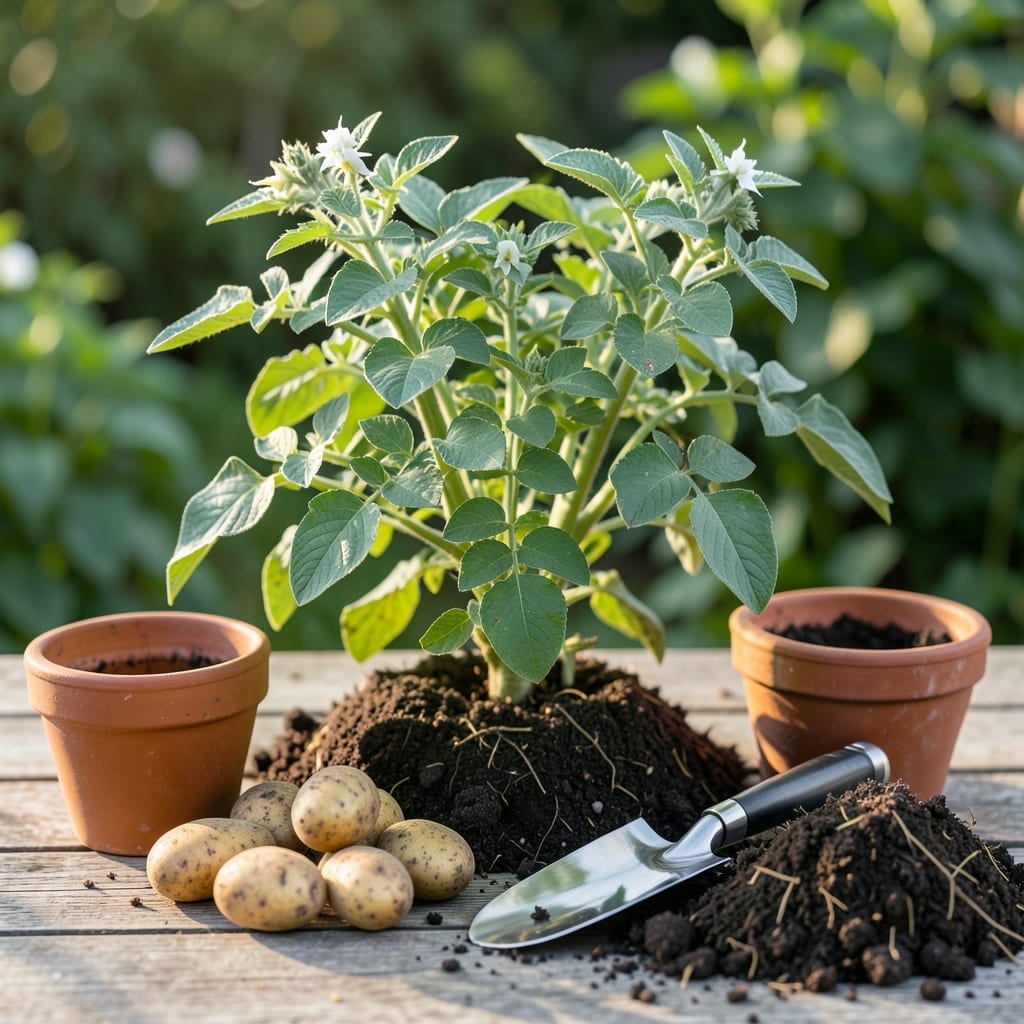
Growing Potato 🥔 in containers lets you enjoy fresh spuds even with limited space, but timing is everything for a successful harvest.
Plant too early or too late, and you risk stunted growth, disease, or a meager yield. I’ve learned the hard way that getting this right makes all the difference.
For most gardeners in zone 6, the sweet spot is March to April, when soil temps hit that magic range. But there’s more to it than just dates on a calendar.
Discover how to read your local conditions and container setup for the best results. Let’s get your container Potato garden started strong.
Timing your potato planting in containers depends heavily on your USDA hardiness zone and local climate. The soil temperature should be at least 45°F for seed potatoes to sprout properly. In most regions, this means planting 2-4 weeks before your last expected frost date.
For cooler zones like Zones 3-5, aim for late March to early April, while warmer zones like Zones 7-9 can start as early as February or March. Always check your local frost dates for precision. 🌱
| Zone | Planting Time | Soil Temp |
|---|---|---|
| Zones 3-4 | Late April-May | 45-50°F |
| Zones 5-6 | March-April | 45-55°F |
| Zones 7-8 | February-March | 50-55°F |
| Zones 9-10 | January-February | 50-60°F |
In Zone 6, where my garden thrives, I plant seed potatoes in containers around mid-March. This timing ensures the soil is warm enough and avoids late frost damage. For early varieties, you can plant even sooner under protective cover like a cold frame.
If you’re in a mild winter area, you might get away with fall planting for a winter harvest. However, most gardeners stick to spring planting for the best results. Always use certified seed potatoes to avoid disease issues from grocery store spuds. 🌿
For late-season crops, plant 10-12 weeks before your first fall frost. This works well in Zones 7-10 where summers are long and warm. In containers, you can also stagger plantings every 2-3 weeks for a continuous harvest.
Remember that container-grown potatoes may mature slightly faster than in-ground plants due to warmer soil in pots. Monitor soil moisture closely, as containers dry out quicker than garden beds. A good potting mix with compost ensures proper drainage and nutrients.
If you’re unsure about your soil temperature, use a soil thermometer to check. Plant when temps consistently hit 45°F at 4-inch depth. This simple tool can make the difference between a bountiful harvest and a disappointing one.
For northern gardeners, starting potatoes indoors in containers under grow lights can extend your season. Just be sure to harden off plants before moving them outside permanently. ✂️
Finally, keep in mind that variety matters. Early varieties like ‘Yukon Gold’ or ‘Red Pontiac’ are perfect for container growing, maturing in as little as 60-70 days. Later varieties need more time and space.
I always start with the right container for my potato plants. A 5-gallon bucket or larger works best, with drainage holes to prevent soggy soil. Without proper drainage, your spuds may rot before they grow. 🌱
Next, I focus on the seed potatoes. I cut them into 2-inch pieces, each with at least one eye. Let them dry for a day to prevent rot. This step, called chitting, gives them a head start. 🌿
For the soil mix, I combine potting soil with compost for nutrients. Avoid garden soil, as it compacts in containers and can introduce disease. Your potatoes need loose, aerated soil to thrive. ✂️
I also make sure my containers are in a sunny spot. Potatoes need 6+ hours of sun daily. If you’re short on space, a balcony or patio with good sunlight works perfectly. Just keep an eye on soil moisture in hot weather.
Before planting, I check the soil temperature. It should be at least 45°F. Planting too early in cold soil can cause seed potatoes to rot. If you’re unsure, use a soil thermometer for accuracy. ☀️
Finally, I space my seed pieces about 4 inches deep and 6 inches apart. As the plants grow, I’ll add more soil to encourage tuber formation. This method, called hilling, maximizes my harvest in a small space.