
Beautiful Plants For Your Interior
Beautiful Plants For Your Interior
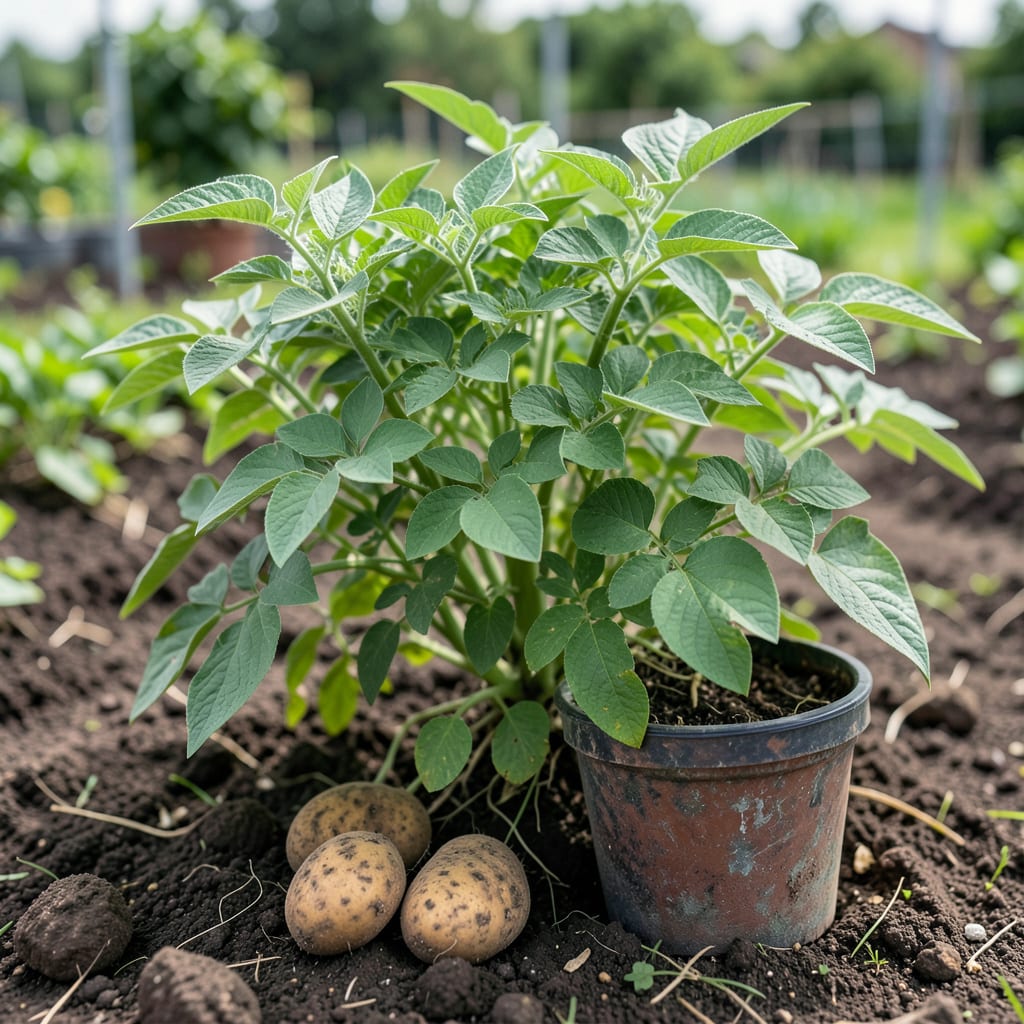
As spring approaches in Alabama, gardeners eagerly anticipate planting their 🥔 potatoes. The key to a successful harvest lies in timing – planting at the right moment ensures optimal growth and maximum yield.
In Alabama’s climate zones 7b/8a, the ideal potato planting window is late winter to early spring, typically 4-6 weeks before the last frost date. Let’s explore the best practices for planting potatoes in Alabama.
When it comes to planting potatoes in Alabama, timing is everything. The state’s climate varies across different regions, making it crucial to understand the optimal planting dates for your specific area.
Alabama falls within USDA hardiness zones 7b and 8a, which means the ideal time to plant potatoes is during late winter to early spring. This period typically ranges from January to early March, depending on your location within the state.
The key to successful potato cultivation in Alabama is planting 4-6 weeks before the last expected frost date. This allows the potatoes to mature before the heat of summer sets in.
For most of Alabama, the last frost date ranges from mid-March in the south to late March or early April in the north. By counting back 4-6 weeks from these dates, you can determine the ideal planting time for your area.
Soil temperature is another critical factor. Potatoes prefer cool soil, typically between 40°F and 70°F, for optimal growth. In Alabama’s climate, soil temperatures usually reach this range during the recommended planting periods.
It’s also important to consider regional weather patterns. Alabama can experience occasional cold snaps, even in late winter. Monitoring local weather forecasts and being prepared to protect your crop if necessary is part of successful potato farming in the state.
By planting at the right time and being prepared for potential weather variations, Alabama gardeners can enjoy a bountiful harvest of delicious homegrown potatoes. The 90-120 day growing season for potatoes aligns well with Alabama’s climate, allowing for a successful crop when timed correctly.
To maximize your potato yield, it’s essential to choose the right potato variety for your region and prepare your soil properly. We’ll cover these aspects in more detail in the following sections.
Understanding the local frost dates and climate conditions is crucial for determining the exact planting time. Gardeners should consult local gardening resources or their county extension office for the most accurate information specific to their area.
By following these guidelines and staying informed about local weather conditions, Alabama gardeners can successfully grow potatoes and enjoy a rewarding harvest.
Preparing your Alabama garden for potato planting involves several crucial steps to ensure a successful harvest. First, you need to select the right seed potatoes. Choose certified disease-free seed potatoes that are suitable for the Alabama climate and your specific growing season. Look for varieties that mature within 70-120 days, which is ideal for Alabama’s climate 🌟.
Next, focus on soil preparation. Potatoes thrive in well-draining, loose soil with a pH between 4.5 and 7.0. Alabama’s soil tends to be acidic, so you may need to adjust the pH accordingly. Incorporate organic matter like compost to improve soil structure and fertility. This will help retain moisture and provide essential nutrients for your potato crop 🌱.
By following these steps, you’ll create an ideal environment for your potatoes to grow. Proper preparation is key to achieving a bountiful harvest of delicious homegrown potatoes in Alabama.
Additionally, consider using raised beds or containers if your soil is heavy clay or poorly draining. This can help improve drainage and soil warming, giving your potatoes a better start 🌱.
With careful planning and preparation, you’ll be well on your way to growing a successful potato crop in Alabama. Happy gardening! 🌼
For more specific advice tailored to your location, consult with your local county extension office. They can provide valuable insights into the best practices for potato cultivation in your area.
After planting potatoes in Alabama, proper care is essential to ensure a healthy crop and maximize your yield. One of the most critical aspects of post-planting care is consistent watering. Potatoes need 1-2 inches of water per week, either from rainfall or irrigation. Keep the soil consistently moist, but not waterlogged, throughout the growing season 🌟.
Water your potatoes in the morning to minimize evaporation and reduce the risk of fungal diseases. Avoid getting water on the leaves to prevent moisture-related issues.
Hilling is another crucial practice for growing potatoes in Alabama. As the plants grow, add more soil or mulch around the base, leaving only a few inches of the leaves exposed. This process, called hilling, helps to protect the tubers from sunlight and encourage more tuber formation 🌱.
Pest and disease management is also vital for a successful potato harvest. Keep an eye out for common potato pests like Colorado potato beetles and aphids. Regularly inspect your plants and use organic or integrated pest management methods to control any infestations you discover.
To prevent diseases, practice good garden hygiene and consider using disease-resistant potato varieties. Common potato diseases in Alabama include late blight and scab. Maintaining good air circulation around your plants and avoiding overhead watering can help reduce the risk of these diseases.
By following these post-planting care tips, you can ensure a healthy and productive potato crop in your Alabama garden. With proper care and attention, you’ll be enjoying a bountiful harvest of delicious homegrown potatoes in no time! 🥔
For more specific advice on managing pests and diseases in your area, consult with your local county extension office. They can provide valuable insights and recommendations tailored to your region’s specific challenges.
Potatoes prefer cool soil, typically between 40°F and 70°F, for optimal growth. In Alabama’s climate, soil temperatures usually reach this range during the recommended planting periods in late winter to early spring.
Potatoes need 1-2 inches of water per week, either from rainfall or irrigation. Keep the soil consistently moist, but not waterlogged, throughout the growing season. Water your potatoes in the morning to minimize evaporation and reduce the risk of fungal diseases.
Common potato pests in Alabama include Colorado potato beetles and aphids. Regularly inspect your plants and use organic or integrated pest management methods to control any infestations. Common diseases include late blight and scab. Maintaining good air circulation and avoiding overhead watering can help reduce the risk of these diseases.
Yes, you can grow potatoes in containers in Alabama. Use large containers with good drainage and fill them with a well-draining potting mix. This method can help improve drainage and soil warming, giving your potatoes a better start.
