
Beautiful Plants For Your Interior
Beautiful Plants For Your Interior
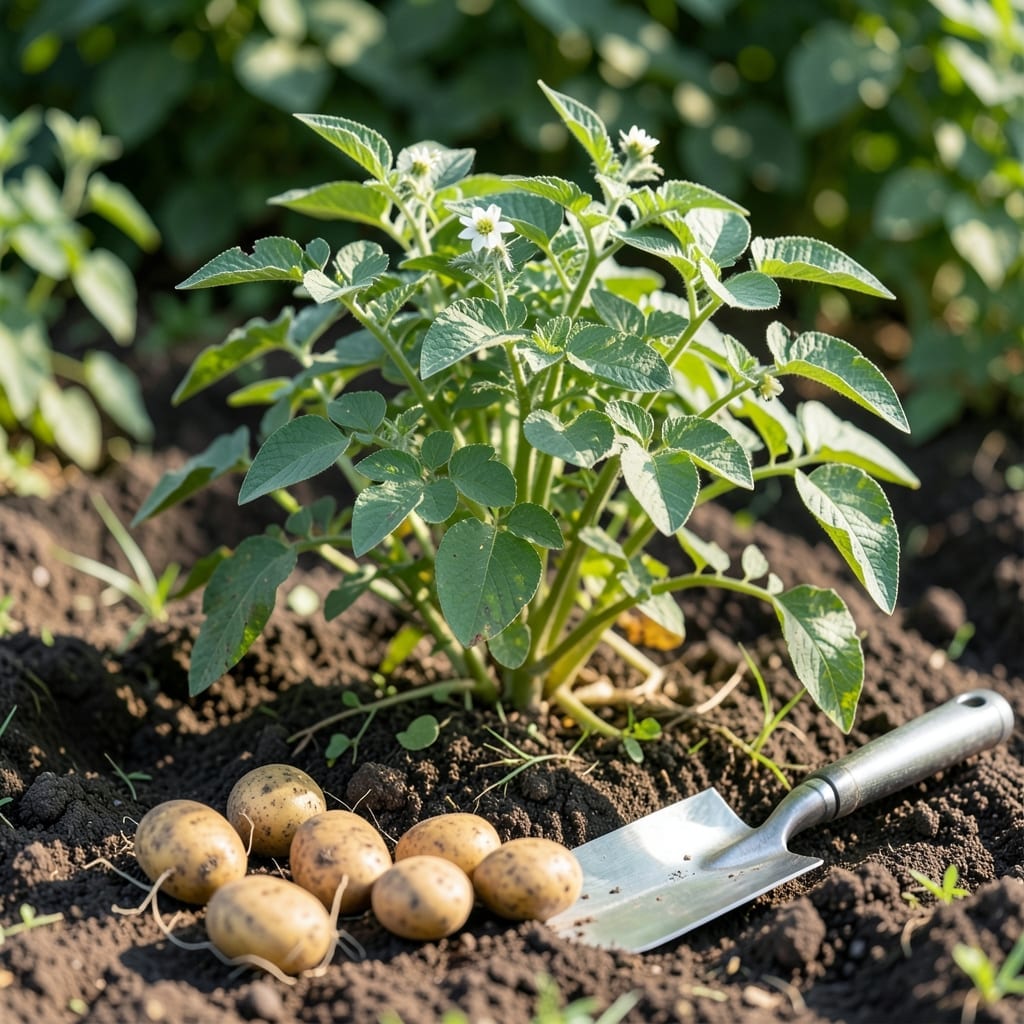
Timing is everything when it comes to planting 🥔 Potato in Zone 6b. Plant too early and frost may kill your sprouts, too late and you’ll miss the optimal growing window.
This guide reveals the exact calendar to maximize your harvest. Whether you’re a seasoned gardener or just starting out, knowing the right moment to begin makes all the difference.
I’ll walk you through the most important climate considerations and soil prep tips tailored for your zone. With these insights, you’ll set your Potato crop up for success from day one.
Discover how to align your planting schedule with Zone 6b‘s unique conditions. Let’s dig into the specifics that will transform your garden this season.
In USDA Zone 6b, the last frost date is typically around April 15. For potatoes, I recommend planting 2-3 weeks before this date, when soil temps hit 45-55°F. This timing ensures your spuds avoid frost damage while maximizing the growing season.
Early varieties like Yukon Gold or Red Pontiac can go in as soon as late March, while late-season types such as Kennebec thrive when planted in early April. Succession planting every 2-3 weeks extends your harvest window.
| Stage | Early Varieties | Late Varieties |
|---|---|---|
| Planting | Late March | Early April |
| Sprouting | 2-3 weeks | 3-4 weeks |
| Harvest | June-July | August-Sept |
| Soil Temp | 45°F+ | 45°F+ |
Soil temperature is critical for potato success. Use a soil thermometer to check conditions at 4-inch depth. If the soil is still cold, consider black plastic mulch to warm it faster.
For fall potatoes, plant 10-12 weeks before your first frost (around October 15 in Zone 6b). This gives tubers enough time to mature before cold weather hits.
I always pre-sprout my seed potatoes by placing them in a cool, bright spot for 2-4 weeks before planting. This process, called chitting, gives them a head start.
Remember that frost protection is essential. If a late frost is forecast after planting, cover emerging foliage with frost cloth or straw mulch to prevent damage.
Zone 6b’s 180-day growing season allows for two potato crops – an early spring planting and a late summer planting for fall harvest. Just be sure to rotate crops to prevent disease buildup.
For the best results, plant in full sun (6+ hours daily) and in well-draining soil. Potatoes hate waterlogged conditions, so avoid heavy clay soils or low-lying areas.
By following this Zone 6b planting calendar, you’ll enjoy a bountiful potato harvest from summer through fall. 🌱
In Zone 6b, I always start with soil preparation before planting potatoes. Aim for a pH of 5.0-6.5 and ensure the soil is loose and well-draining to prevent waterlogging and promote tuber growth.
Begin by testing your soil with a kit from your local garden center. If needed, amend with compost or aged manure to improve texture and fertility. Avoid fresh manure, as it can burn young potato plants.
For seed potatoes, I recommend chitting them before planting. Place them in a cool, bright spot for 2-4 weeks to encourage strong sprouts. This gives your potatoes a head start once in the ground.
Cut larger seed potatoes into 2-inch pieces with at least one eye per piece. Let the cuts heal for 24-48 hours before planting to reduce the risk of rot. This step is crucial for healthy growth.
When planting, place seed pieces 4 inches deep and 12 inches apart in rows spaced 30 inches apart. This spacing ensures good airflow and room for tubers to develop without competition.
After planting, water lightly to settle the soil. Avoid overwatering, as potatoes need consistent moisture but can rot in soggy conditions. Mulch with straw or leaves to retain moisture and suppress weeds. 🌱