
Beautiful Plants For Your Interior
Beautiful Plants For Your Interior
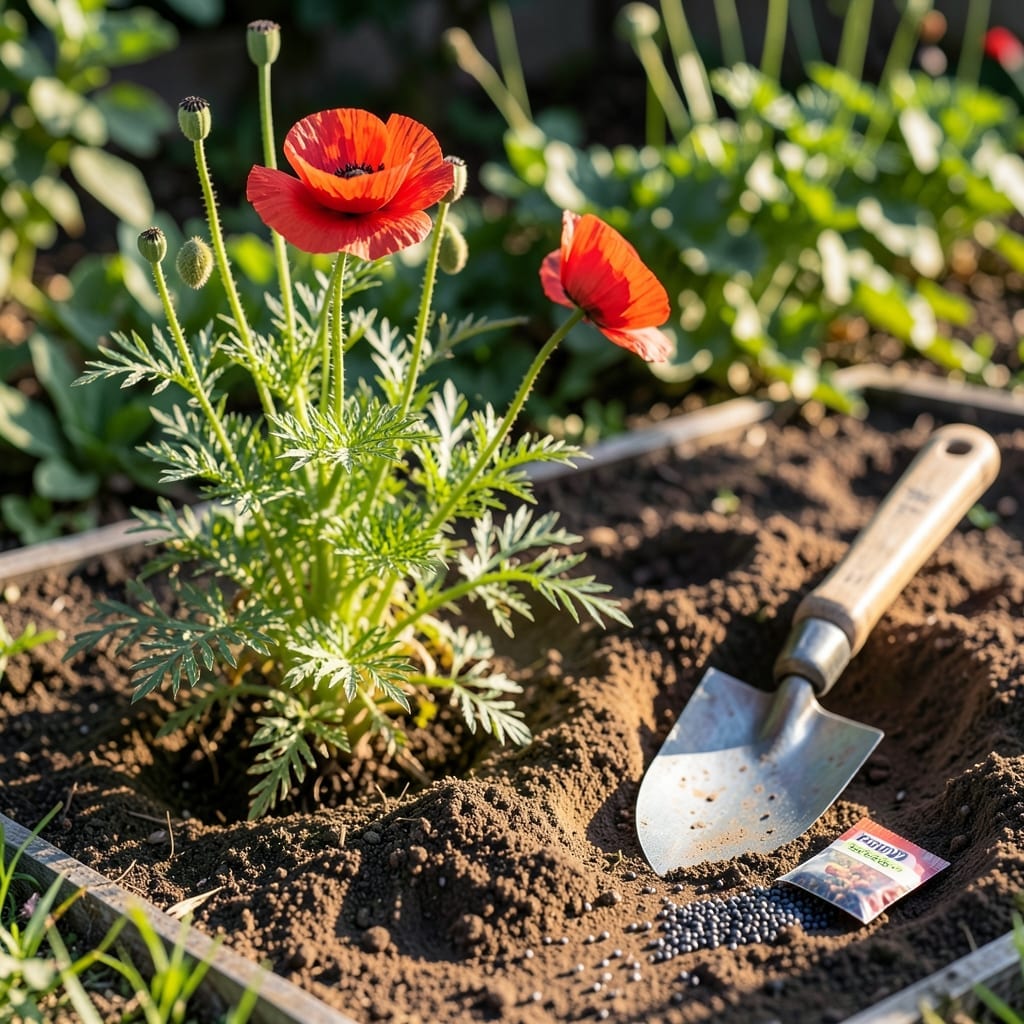
Timing is everything when planting Poppy seeds in Zone 6—plant too early or too late, and you might miss the vibrant blooms that make these flowers a garden favorite.
This guide reveals the precise windows for success, whether you’re aiming for spring color or a late-summer display. The 🌸 Poppy thrives when conditions are just right.
I’ll walk you through the most important climate considerations, from frost dates to soil temperature, so you can plant with confidence.
Let’s discover how to set your garden up for a season of stunning, hassle-free blooms.
In Zone 6, timing your poppy seed planting is crucial for vibrant blooms. The last frost date is typically around April 15, making this your cue for spring planting. Poppies thrive when sown directly into workable soil after frost risks pass.
For a late-summer display, plant seeds in late August to early September. This takes advantage of cooler temperatures and ensures blooms before the first frost around October 15. Poppies prefer cool soil for germination.
| Season | Best Months | Soil Temp | Notes |
|---|---|---|---|
| Early Spring | March-April | 50-60°F | After last frost |
| Late Summer | August-Sept | 60-70°F | 6-8 weeks before frost |
I’ve found that spring-planted poppies often produce the most vibrant blooms in Zone 6. The cool spring soil helps seeds germinate quickly, and plants establish before summer heat. Just ensure the soil is not waterlogged from winter rains.
For late-summer planting, I recommend watering lightly to keep soil moist but not soggy. Poppies dislike overly wet conditions, so well-draining soil is a must. A sunny location with at least 6 hours of direct light will give you the best results.
If you’re eager to start early, you can sow seeds indoors 4-6 weeks before the last frost. However, poppies don’t transplant well, so I prefer direct sowing for the strongest plants. Thin seedlings to 8-12 inches apart for optimal air circulation.
Remember that poppy seeds need light to germinate, so don’t bury them too deep. A light scattering on the soil surface with a gentle press is all that’s needed. They’ll usually sprout within 7-14 days under ideal conditions.
In my experience, fall-planted poppies can sometimes overwinter and bloom the following spring. This works particularly well with Iceland poppies or Oriental poppies, which are more cold-hardy than other varieties.
For the best results, I always prepare the soil by removing weeds and loosening the top 6 inches. Mixing in a bit of compost can improve drainage and provide nutrients. Avoid heavy fertilizers, as poppies prefer leaner soil.
Finally, be patient! Poppies can take 60-90 days to bloom from seed. But when those delicate petals finally open, you’ll know the wait was worth it 🌷
In Zone 6, I always wait until the soil is workable after the last frost, usually around mid-April. This ensures conditions are ideal for poppy seed germination and strong early growth.
Poppies hate being transplanted, so I sow seeds directly into the garden. Choose a spot with full sun and well-draining soil to prevent waterlogging. 🌱
I keep the soil consistently moist but not soggy during germination. Poppies typically sprout in 10-15 days when temperatures hover around 60-70°F.
Once seedlings emerge, I thin them to 6-12 inches apart. This spacing gives each plant enough room to develop strong stems and vibrant blooms.
For a second bloom cycle, I plant another batch in late summer, about 8-10 weeks before the first frost. This timing allows flowers to establish before winter. 🌿
Remember, poppies are drought-tolerant once established. I reduce watering as plants mature, only providing extra moisture during extended dry spells. ✂️