
Beautiful Plants For Your Interior
Beautiful Plants For Your Interior
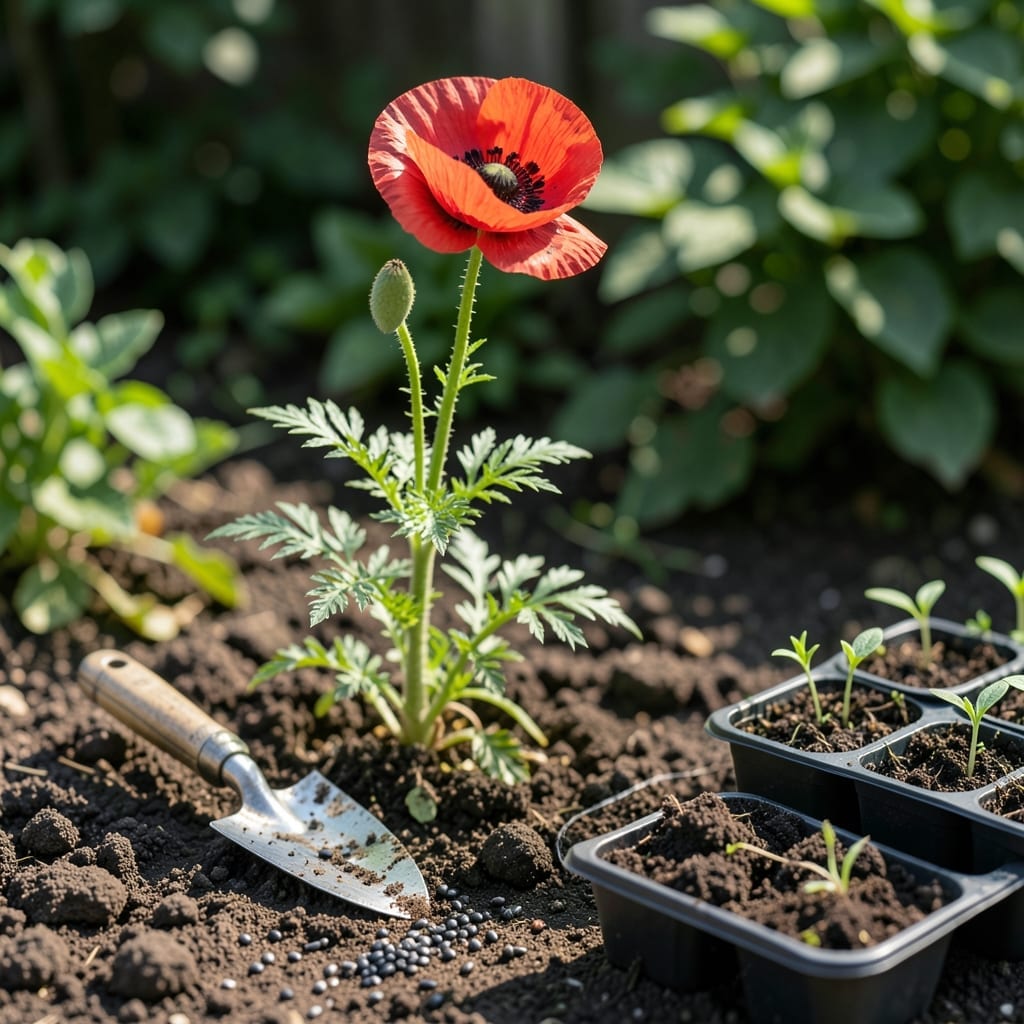
Planting Poppy seeds in British Columbia requires perfect timing to thrive in the region’s unique climate. Whether you’re aiming for vibrant spring blooms or a fall harvest, knowing the ideal window is the key to success.
The 7b-8a zones here mean frost dates matter. Get it right, and you’ll enjoy stunning 🌸 Poppy blooms from June to August. Get it wrong, and you might be starting over.
I’ve seen gardeners struggle with timing, but the solution is simpler than you think. With just a little planning, you can avoid common pitfalls and set your seeds up for success.
Discover the best months to plant and how to prepare your soil for optimal growth. Let’s make this your most beautiful Poppy season yet.
Timing is everything when planting poppy seeds in British Columbia. The coastal region differs from the interior zones, so knowing your local climate is crucial for success.
In Coastal BC, I recommend planting in early March to mid-April. The milder winters here allow for earlier sowing, but watch for late frosts that can damage young seedlings.
| Region | Best Planting Window | Soil Temp | Frost Note |
|---|---|---|---|
| Coastal BC | March – April | 10-12°C | Last frost ~March 15 |
| Interior BC | April – May | 12-15°C | Last frost ~April 15 |
| Northern BC | May – June | 15°C+ | Last frost ~May 15 |
For Interior BC, wait until mid-April to early May. The colder winters here mean the soil takes longer to warm up, which is vital for poppy seed germination.
In Northern BC, the planting window shifts to late May or early June. The shorter growing season requires starting seeds indoors if you want earlier blooms.
Soil temperature is a critical factor. Poppies need soil that’s at least 10°C to germinate properly. I always use a soil thermometer to check before planting.
Don’t forget about frost dates. In most of BC, the last frost occurs between March 15 and May 15. Planting too early can expose your seeds to damaging cold.
For the best results, I prepare my soil in late winter. Poppies thrive in well-draining soil with plenty of organic matter. Work in some compost a few weeks before planting.
If you’re planting in fall for spring blooms, aim for August to September. This gives seeds time to establish before winter dormancy, leading to early spring flowers.
Remember that microclimates can affect your planting schedule. A sunny south-facing slope might warm up 2-3 weeks earlier than a shady north-facing spot.
I’ve found that Iceland poppies do particularly well in BC’s climate. They’re cold-hardy and can even survive light frosts once established 🌷
Planting poppy seeds in late summer or early fall lets them overwinter for early spring blooms. BC’s mild coastal winters are perfect for this approach.
In Zones 7b-8a, August to September is ideal. The soil stays warm enough for germination before cooler weather sets in.
I’ve found Iceland poppies thrive best in BC’s fall conditions. They’re cold-tolerant and bloom early the next year.
Oriental poppies also work but need extra protection from early frosts. Use row covers if temperatures drop below 28°F (-2°C).
Soil prep is critical. Work in compost for nutrients and ensure the bed drains well to prevent rot over winter.
Water sparingly after planting—overwatering can rot seeds. Let nature do most of the work until spring 🌱