
Beautiful Plants For Your Interior
Beautiful Plants For Your Interior
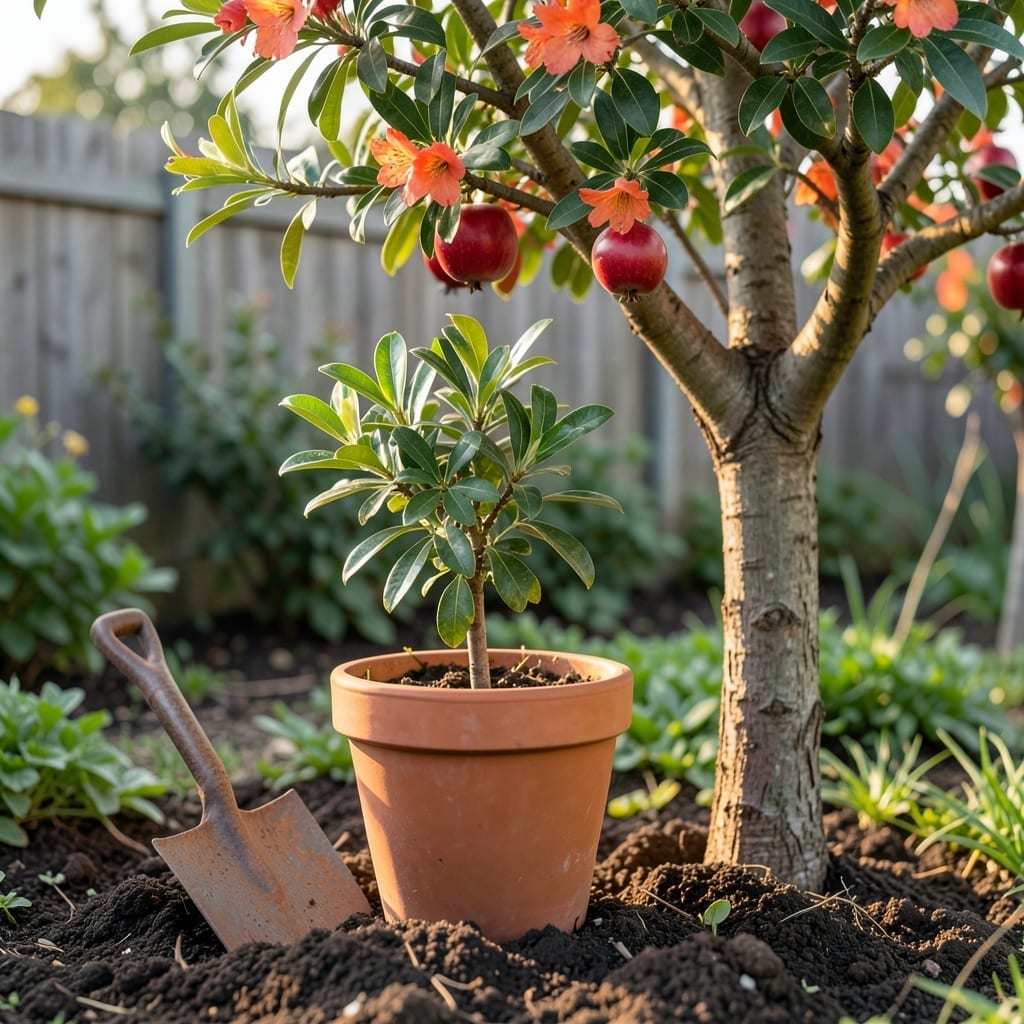
Timing is everything when planting Pomegranate Trees 🍇 in Texas—get it right, and you’ll enjoy years of vibrant blooms and bountiful fruit.
Get it wrong, and you risk stunted growth or even losing your tree to harsh weather. I’ve seen too many gardeners struggle simply because they planted at the wrong time.
In our 8a-9a zones, the window is precise but rewarding. The key is knowing when your soil and climate align for the best start.
Discover the ideal season to set your Pomegranate Tree up for success, with tips tailored specifically for Texas growers.
Texas’ vast size means planting windows vary by region. In North Texas, I recommend planting from late February to early April after the last frost. This gives roots time to establish before summer heat arrives.
The Central Texas region, with its milder winters, allows for planting from January through March. Here, the soil warms faster, so your pomegranate tree can start growing sooner.
| Region | Optimal Planting Window | Soil Temp Minimum |
|---|---|---|
| North Texas | Late Feb – Early April | 60°F+ |
| Central Texas | January – March | 55°F+ |
| South Texas | December – February | 50°F+ |
| West Texas | March – April | 60°F+ |
In South Texas, where winters are warmest, you can plant as early as December. However, I always check for unexpected cold snaps that might harm young trees.
West Texas presents unique challenges with its arid climate. Here, planting in March or April ensures the tree has access to adequate moisture from spring rains.
For all regions, I emphasize soil temperature over calendar dates. Use a soil thermometer to confirm the ground has reached at least 50-60°F at planting depth.
Remember that pomegranate trees thrive in well-draining soil. In Texas’ clay-heavy areas, I recommend amending the soil with compost or sand before planting.
Frost protection remains critical in northern regions. I suggest planting near a south-facing wall or using frost cloth for young trees during unexpected late freezes.
In my experience, trees planted in early spring establish faster than those planted in fall. The growing season ahead allows roots to spread before summer’s intense heat arrives.
For container-grown pomegranates, you have more flexibility. I’ve successfully planted these year-round in Texas, but spring planting still yields the best long-term results.
Always water deeply after planting, and maintain consistent moisture for the first 2-3 weeks. This helps the tree overcome transplant shock and start growing strong roots. ☀️
Planting pomegranate trees in Texas requires careful timing and preparation. I always recommend late winter to early spring as the ideal window, ensuring the soil has warmed to at least 60°F after the last frost.
Start by selecting a sunny location with well-draining soil. Pomegranates thrive in full sun and need space to grow, so plan for a 12-20 ft mature height and width. Test your soil pH—5.5 to 7.0 is ideal.
After planting, water deeply every 7-10 days for the first month. This helps the roots establish. Once established, pomegranates are drought-tolerant but benefit from consistent moisture during fruit development.
In Texas heat, morning watering is best to prevent evaporation. Avoid overhead watering to reduce disease risk. I also suggest staking young trees if they’re in a windy area to ensure stability.
For the first year, focus on strong root growth. Prune only to remove dead or crossing branches. By the second year, you can shape the tree and encourage fruiting wood with light pruning in late winter.
Finally, keep an eye on pests like aphids or leaf-foot plant bugs. Regular inspections and neem oil can help manage infestations naturally. With the right start, your pomegranate tree will reward you with vibrant blooms and delicious fruit for years. 🌳