
Beautiful Plants For Your Interior
Beautiful Plants For Your Interior
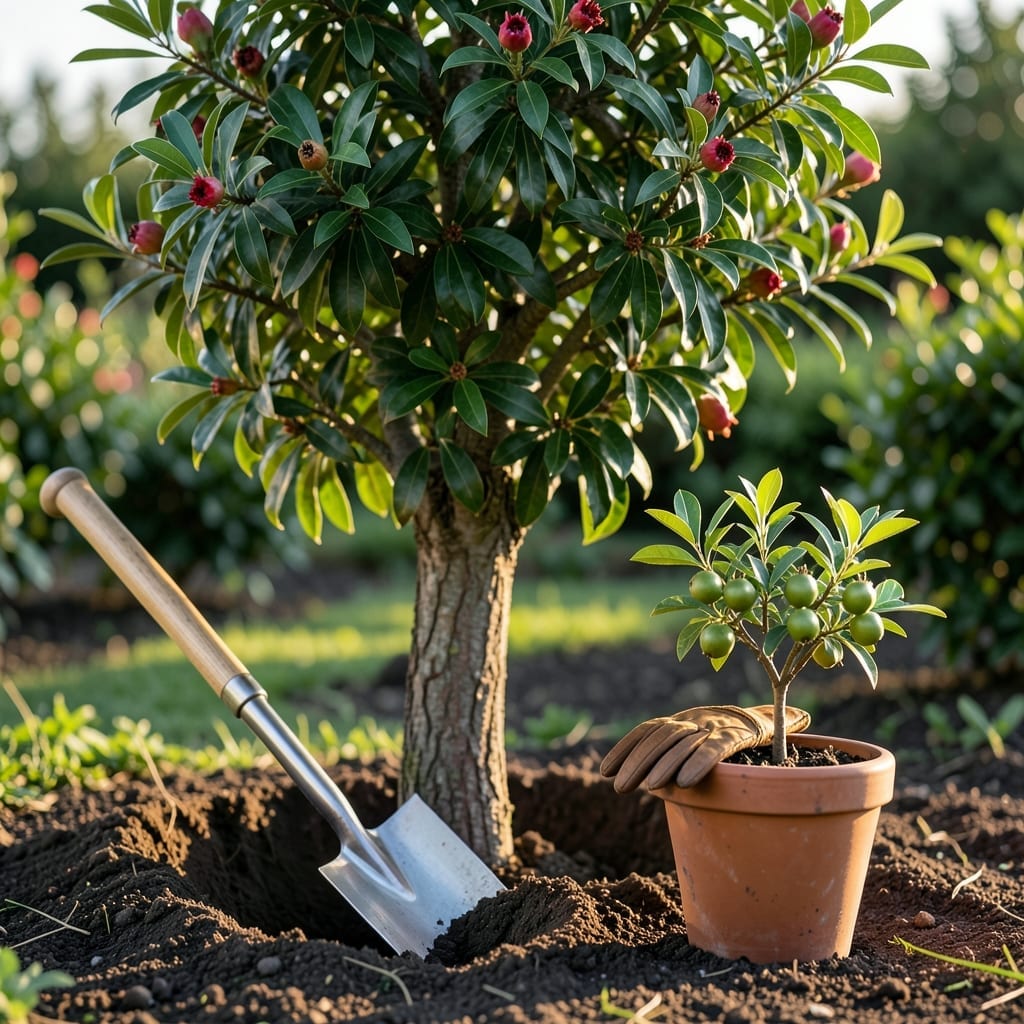
Planting a Pomegranate Tree 🍇 in Arizona’s desert climate can feel like a gamble if you don’t time it right. One misstep, and you might end up with a struggling sapling instead of a thriving, fruit-bearing tree.
I’ve seen too many gardeners rush the process, only to watch their trees wilt under the scorching sun or freeze in an unexpected cold snap. The key is understanding Arizona’s unique seasonal rhythms.
In this guide, I’ll walk you through the best windows to plant, tailored specifically for our state’s zones. You’ll discover how to avoid the most common pitfalls and set your tree up for success.
Whether you’re in the low desert or high country, timing is everything. Let’s get it right the first time.
Timing is everything when planting pomegranate trees in Arizona. Our desert climate presents unique challenges, but the rewards are well worth it. The optimal window aligns with milder temperatures to avoid stress on young trees.
In most of Arizona, early spring (February through April) is ideal. This allows roots to establish before the intense summer heat kicks in. For higher elevations, late spring works better to avoid late frost risks.
| Region | Best Months | Key Consideration |
|---|---|---|
| Low Desert | Feb-April | Avoid summer heat |
| High Desert | March-May | Watch for late frosts |
| All AZ | Sept-Oct | Fall alternative |
I always recommend morning planting to reduce transplant shock. The cooler temperatures help the tree adjust before the midday sun hits. Remember, pomegranates hate soggy roots, so ensure good drainage.
For low desert areas like Phoenix, the last frost date is typically around mid-February. Planting after this date gives your tree the best start. In Tucson, you can push this to early February.
The high desert (Flagstaff, Payson) has different rules. Here, late frosts can linger into May. Wait until all danger of frost has passed before planting.
Fall planting (September-October) is another great option. Cooler temps reduce stress, and winter rains help establish roots. Just ensure you plant at least 6 weeks before the first expected frost.
No matter when you plant, water deeply immediately after. This settles the soil and eliminates air pockets. Then, maintain consistent moisture for the first 2-3 weeks as roots take hold.
Avoid planting during peak summer (June-August). The extreme heat can shock young trees, even with extra water. If you must plant then, provide temporary shade for the first few weeks.
Watch for signs of stress like wilting leaves or yellowing. These often indicate either under-watering or over-watering. In Arizona, the former is more common, but both can be deadly for new plantings.
With the right timing and care, your pomegranate tree will thrive in Arizona’s climate, rewarding you with beautiful blooms and delicious fruit for years to come. ☀️
Planting pomegranate trees in Arizona starts with site selection. I always recommend choosing a spot with full sun exposure—at least 6+ hours daily—to ensure robust growth and fruit production.
Next, focus on soil preparation. Arizona’s soil often drains quickly, but pomegranates thrive in well-draining conditions. I suggest amending the soil with compost to improve fertility and moisture retention.
The planting depth is critical. I’ve found that setting the tree so the root crown sits slightly above soil level prevents rot and encourages strong root development.
For initial watering, give your tree a deep soak right after planting, then maintain a weekly schedule for the first month. This helps roots establish in Arizona’s dry climate.
Don’t forget to monitor soil moisture. In our arid conditions, it’s easy to underwater. I check the soil 2-3 inches down—if it’s dry, it’s time to water again.
Finally, consider microclimates in your yard. A south-facing wall can provide extra warmth, while low spots may trap cold air. Adjust planting timing accordingly to avoid frost damage ☀️