
Beautiful Plants For Your Interior
Beautiful Plants For Your Interior
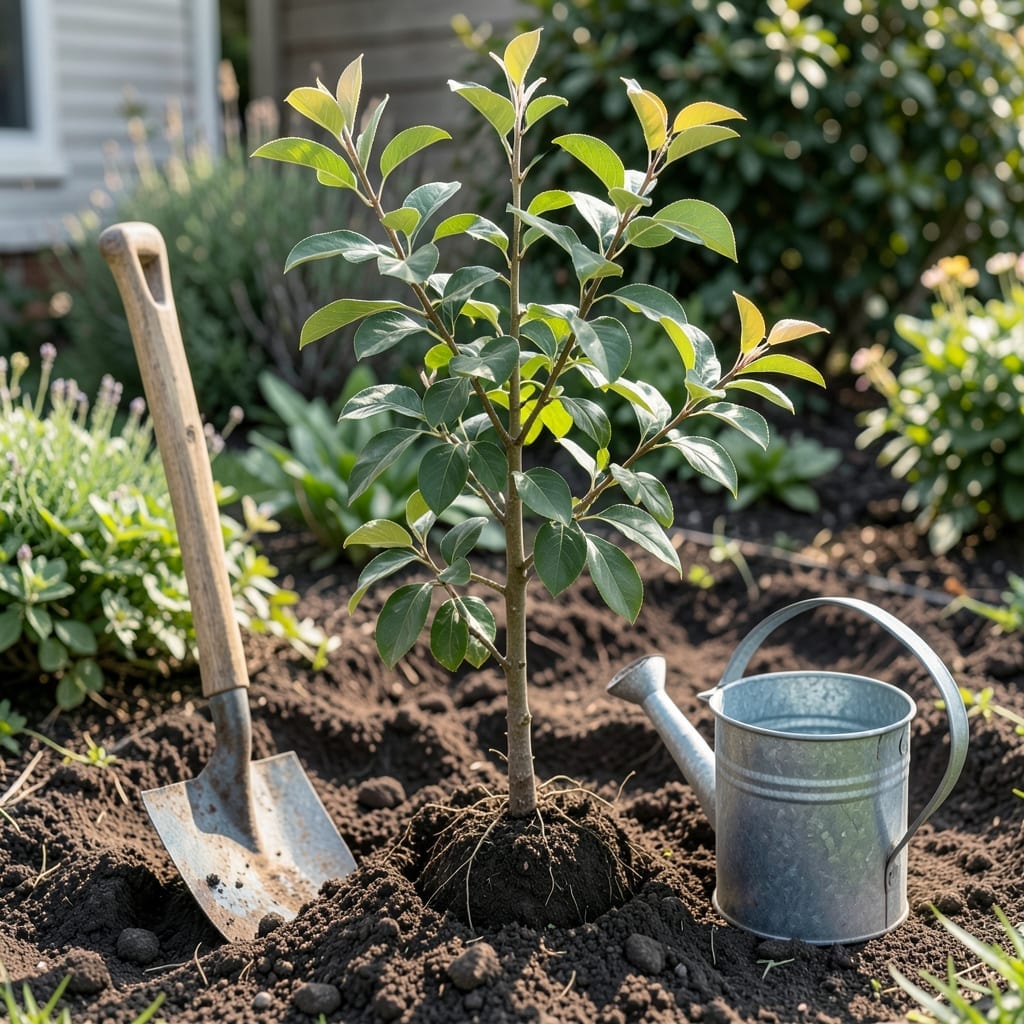
Planting Plum Trees 🌳 in Texas at the right time can mean the difference between a struggling sapling and a flourishing orchard. With the state’s unique climate zones, timing is everything for success.
I’ve seen too many gardeners plant too late, only to watch their young trees battle heat stress. Texas weather doesn’t forgive poor timing, but getting it right sets you up for years of bountiful harvests.
Whether you’re in North, Central, or South Texas, knowing your region’s best window is the game-changer. The good news? It’s simpler than you think once you understand the patterns.
Let me walk you through exactly when to get those roots in the ground for stronger, healthier trees that thrive from the start.
Timing your plum tree planting in Texas depends heavily on your region. The state’s vast size means North Texas and South Texas have very different climate patterns. I always recommend checking your USDA hardiness zone first.
In North Texas (Zones 7-8), the sweet spot is January to early February. This gives roots time to establish before the summer heat hits. Further south, the window extends slightly.
| Region | Best Months | USDA Zones | Key Consideration |
|---|---|---|---|
| North Texas | Jan-Feb | 7-8 | Avoid late frosts |
| Central Texas | Dec-Jan | 8a-8b | Mild winters ideal |
| South Texas | Nov-Dec | 9-10 | Early planting beats heat |
Central Texas (Zones 8a-8b) gardeners should aim for December through January. The milder winters here allow for slightly earlier planting compared to the northern regions.
For South Texas (Zones 9-10), November to December works best. The nearly frost-free climate means you can plant earlier, but avoid the peak summer drought conditions that stress young trees.
Remember that bare-root trees do best when planted during dormancy. This typically aligns with the cooler months I mentioned. Container-grown trees offer more flexibility but still prefer cooler soil temperatures.
The last average frost date is crucial. In Dallas (North Texas), it’s around March 15, while in Houston (South Texas), it’s closer to February 15. Plant at least 4-6 weeks before your last frost.
Soil temperature matters too. Aim for planting when soil is above 50°F but not yet warm. This encourages root growth without stressing the tree. A soil thermometer can be a handy tool.
If you’re in a borderline zone, watch the 10-day forecast. Late cold snaps can damage new plantings. I always keep frost cloth on hand for unexpected dips in temperature.
For all regions, morning planting reduces stress on the tree. The cooler temperatures and lower wind speeds help the tree adjust to its new home more comfortably.
After planting, deep watering is essential to settle the soil and eliminate air pockets around the roots. This first watering sets the stage for healthy growth.
Timing isn’t the only thing that matters when planting plum trees in Texas. I’ve found that soil preparation and variety selection play huge roles in how well your trees establish and thrive. 🌱
For best results, I always test my soil pH (aim for 6.0–7.0) and amend with organic compost to improve drainage. Plum trees hate soggy roots, so well-draining soil is non-negotiable.
For Texas plum trees, plant in dormancy (Jan–Feb), choose disease-resistant varieties like Methley or Santa Rosa, and water deeply 1–2 times weekly during establishment.
Watering is another critical factor. In Texas, deep watering once a week is better than frequent shallow watering. This encourages strong root growth and helps trees withstand our summer droughts. ☀️
Don’t overlook variety selection. Methley plums do well in North Texas, while Santa Rosa thrives in Central and South Texas. Each has slightly different chill hour requirements and harvest windows.
Finally, watch out for late frosts in North Texas. If you plant too early, a surprise freeze can damage young trees. I always check local frost dates and protect saplings with frost cloth if needed. 🌳
Avoid summer planting—the heat stresses young trees and makes establishment difficult. Stick to dormant season planting for the best start, and your plum trees will reward you with years of bountiful harvests.