
Beautiful Plants For Your Interior
Beautiful Plants For Your Interior
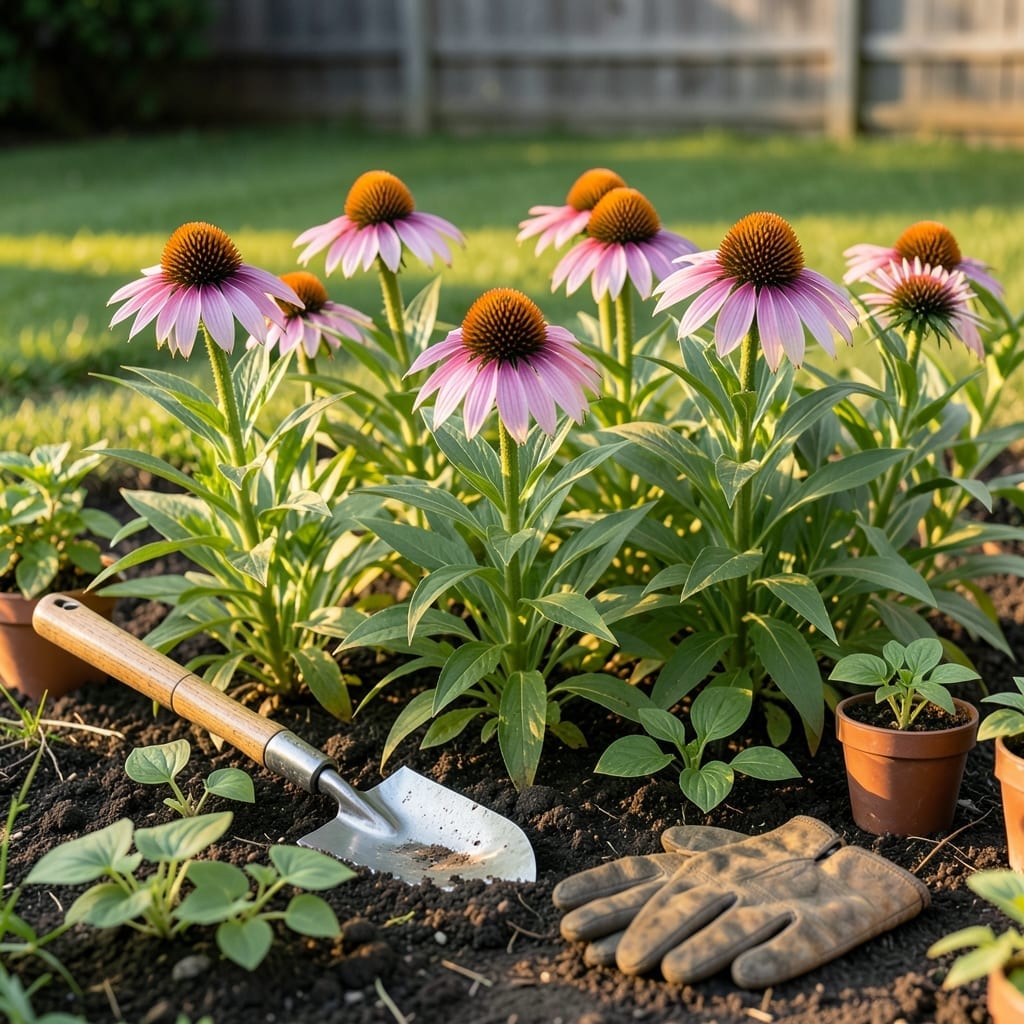
Timing is everything when planting 🌸 Perennials in Iowa’s Zone 5a-5b climate. Get it right, and you’ll enjoy years of vibrant blooms with minimal effort.
Our state’s harsh winters and unpredictable spring temperatures can make or break your garden’s success. That’s why knowing the ideal windows—April-May or September-October—is the game-changer.
I’ve seen gardeners struggle by planting too early or too late, missing the sweet spot for root establishment. You don’t have to be one of them.
Discover how to align your planting with Iowa’s unique seasons for healthier, more resilient Perennials that thrive year after year.
Iowa’s Zone 5a-5b climate gives us a narrow but predictable window for perennial planting. The key is working around our last frost date of April 15 and first frost around October 15. This gives you two prime planting seasons each year.
Spring planting from April through May lets roots establish before summer heat. Fall planting September-October gives perennials time to settle before winter dormancy. Both windows offer distinct advantages for different plant types.
| Planting Window | Soil Temp | Frost Relation | Best For |
|---|---|---|---|
| April-May | 50-60°F | After last frost | Spring bloomers |
| September | 60-70°F | 6+ weeks before frost | Fall establishment |
| October | 50-60°F | 4-6 weeks before frost | Hardy varieties |
| March | 40-50°F | Risky, for experts | Cold-tolerant |
For spring planting, wait until soil temps reach at least 50°F. I use a soil thermometer to check – it’s more reliable than air temperature. Coneflowers and black-eyed Susans thrive when planted in this window.
Fall offers a second chance, especially for native perennials. The cooler temps and autumn rains help roots establish without summer stress. Just finish planting 6 weeks before your first expected frost. Peonies and hostas do particularly well with fall planting.
Early spring planting in March is possible but risky. Only attempt this with cold-hardy perennials like bleeding hearts or columbines. These can handle the occasional late frost that Iowa often throws our way.
Remember that soil preparation is just as important as timing. Work in 2-3 inches of compost before planting, regardless of season. This improves drainage and gives your perennials the nutrient boost they need for strong root development.
Watering needs differ by season too. Spring-planted perennials need consistent moisture their first year. Fall plantings benefit from deep watering once a week until the ground freezes. This encourages deep root growth.
I’ve found that mulching new plantings with 2-3 inches of shredded bark helps maintain soil temperature and moisture. It’s especially valuable for fall plantings, protecting roots from temperature swings as winter approaches.
Watch your local weather forecasts too. If an unexpected late frost threatens in spring, be ready to protect new plantings with frost cloth or old blankets. In fall, an early frost might mean adjusting your planting timeline by a week or two.
With the right timing and care, your Iowa perennials will establish strong root systems that come back bigger and better each year 🌸
Iowa’s Zone 5 climate is perfect for both native perennials like coneflowers and black-eyed Susans, which thrive in our local conditions with minimal care. These drought-tolerant beauties are my go-to for low-maintenance gardens.
For non-native perennials such as hostas or peonies, I always recommend extra soil prep and consistent moisture. They’ll reward you with stunning blooms but need a bit more attention to establish.
| Type | Examples | Soil Needs |
|---|---|---|
| Native | Coneflowers, Black-eyed Susans | Well-draining, average fertility |
| Non-Native | Hostas, Peonies | Moist, rich, organic |
I always space natives about 18-24 inches apart to allow for their natural spread. This gives them room to grow without competing for nutrients, which I’ve found keeps them healthier long-term.
For non-natives, I stick to 12-18 inches spacing and add a 2-inch mulch layer to retain moisture. This mimics their preferred conditions and reduces stress during Iowa’s temperature swings.
One trick I swear by: amend soil with compost before planting either type. It improves drainage for natives and adds richness for non-natives, giving all perennials a strong start in our Midwest soil. ☀️
Whether you choose drought-resistant natives or showy non-natives, proper spacing and soil prep will ensure your perennials establish quickly and bloom beautifully for years to come. 🌿