
Beautiful Plants For Your Interior
Beautiful Plants For Your Interior
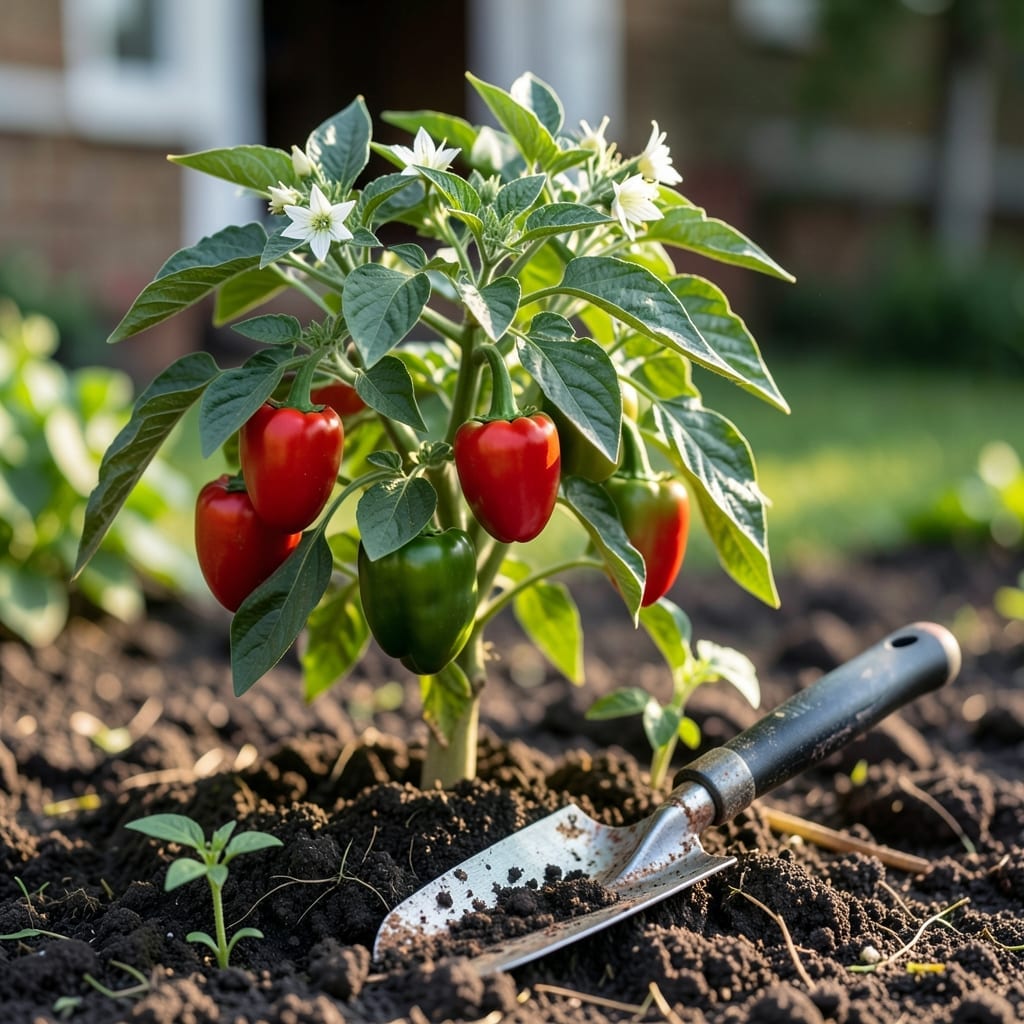
Timing is everything when growing Pepper 🌶️ in South Carolina’s warm climate. Plant too early and frost may ruin your crop; wait too late and you’ll miss the prime growing season.
In Zone 8a, the window for success is narrow but rewarding. Whether you’re starting seeds indoors or transplanting outdoors, knowing the exact timeline can make or break your harvest.
I’ve tested various approaches in my own garden, and the difference between a sparse yield and a bountiful one often comes down to timing. Let me share what I’ve learned so you can avoid common pitfalls.
Discover the precise schedule that works for South Carolina’s unique climate and set yourself up for a season of thriving Pepper plants.
South Carolina’s Zone 8 climate gives pepper growers a long, warm season—but timing is key. I’ve found that starting pepper seeds indoors about 8-10 weeks before our last frost date puts you right on schedule for healthy transplants.
Our average last frost date in most of SC is April 15, so aim to begin seeds in mid-February. This gives seedlings enough time to develop strong roots before moving outdoors.
| Stage | Action | Timing |
|---|---|---|
| Start Seeds | Indoors in trays | Mid-February |
| Hardening Off | Acclimate seedlings | Early April |
| Transplant Outdoors | After last frost | Late April |
| Succession Plant | Extend harvest | Early May |
Transplanting is the next critical step. I wait until soil temperatures reach at least 60°F, which usually happens 2-3 weeks after the last frost. In most of SC, that’s late April to early May.
Don’t rush it—cold soil can shock pepper plants and stunt their growth. I use a soil thermometer to check conditions at 4-inch depth before transplanting. It’s a small investment that saves a lot of heartache.
For continuous harvests, I plant a second batch of seeds indoors in early March for transplanting in early May. This succession planting strategy keeps my kitchen stocked with fresh peppers all summer long.
Microclimates matter in SC. If you’re in the coastal areas, you might get away with planting a week earlier. In the Upstate, I’d wait until early May to be safe from late frosts.
Remember that pepper varieties have different maturity times. Bell peppers often take 75-90 days, while jalapeños can mature in 60-70 days. Plan your timeline accordingly.
I’ve learned the hard way that overwatering seedlings leads to weak stems. Keep the soil moist but not soggy, and provide 14-16 hours of light daily if you’re starting seeds indoors.
Finally, always harden off your seedlings for 7-10 days before transplanting. This gradual exposure to outdoor conditions prevents transplant shock and sets your peppers up for success.☀️
Not all peppers thrive equally in South Carolina’s hot, humid summers. Through years of testing, I’ve found that choosing the right pepper variety is just as important as perfect timing.
Heat-tolerant varieties like jalapeños and cayenne peppers handle our Zone 8 summers exceptionally well. They maintain productivity even when temperatures climb above 90°F.
| Variety | Days to Maturity | Heat Tolerance |
|---|---|---|
| Bell Pepper | 75-90 days | Moderate |
| Jalapeño | 60-70 days | High |
| Banana Pepper | 65-75 days | High |
| Cayenne | 70-80 days | Very High |
Bell peppers are a garden staple but need more care in extreme heat. I recommend planting them in partial afternoon shade during the hottest months to prevent sunscald on the fruits.
For gardeners in coastal areas with higher humidity, banana peppers perform exceptionally well. Their thin skins allow for better air circulation, reducing the risk of fungal diseases.
If you love spice, cayenne peppers are a fantastic choice. They thrive in heat and produce an abundant harvest. I’ve had success with these even in the peak summer months when other varieties struggle.
Remember that days to maturity can vary based on your specific microclimate. In my Upstate garden, I often add 7-10 days to the listed maturity time to account for our slightly cooler nights.
Always check the seed packet for variety-specific recommendations. Some newer hybrids are bred specifically for Southern climates and may outperform traditional varieties in your SC garden.🌿