
Beautiful Plants For Your Interior
Beautiful Plants For Your Interior
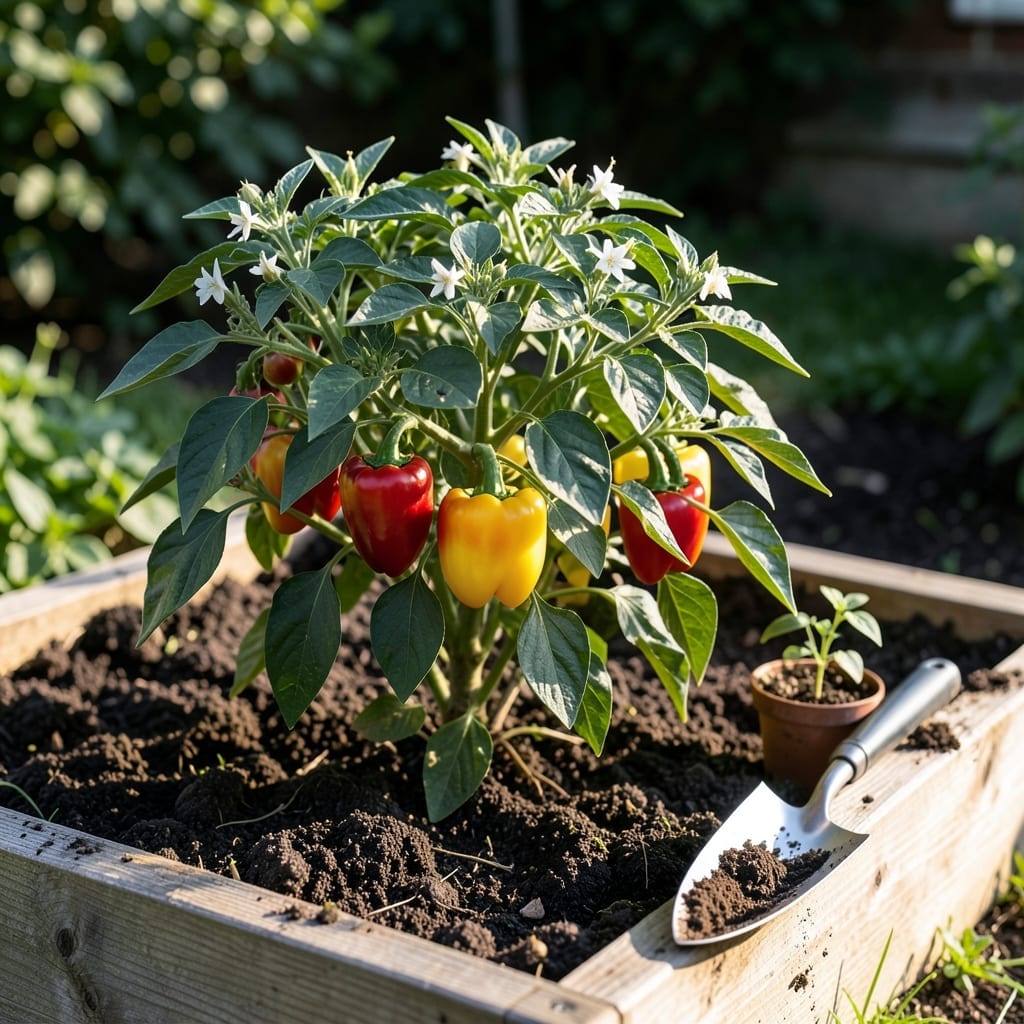
Timing your pepper planting in New York can mean the difference between a bountiful harvest and a disappointing season. This guide cuts through the confusion with precise, frost-free advice tailored for NY gardeners.
I’ve seen too many gardeners rush to plant their 🌶️ Pepper too early, only to watch them wilt in a late frost. The good news? With the right timing, you can avoid this common pitfall.
In zones 5b-7a, the sweet spot for planting is May through June, when soil temperatures consistently stay above 60°F. This window gives your peppers the best chance to thrive.
Let me walk you through everything you need to know to get your NY pepper garden off to a strong start this growing season.
New York’s pepper planting season hinges on frost dates and soil temperature. Upstate, Long Island, and NYC each have unique microclimates that shift the ideal window. I always check local frost data before sowing.
Peppers are heat-loving plants that need 70-80°F soil to thrive. Planting too early risks stunted growth or frost damage. In NY, mid-May to early June is typically safe for transplanting outdoors.
| Region | Last Frost Date | Outdoor Planting |
|---|---|---|
| Upstate NY | May 15 | Late May |
| Long Island | April 15 | Early May |
| NYC | April 20 | Mid-May |
For earlier harvests, I start pepper seeds indoors 8-10 weeks before the last frost. Use grow lights and heat mats to mimic ideal conditions. This gives seedlings a head start before transplanting.
Soil prep is critical. I test soil temperature with a thermometer—anything below 60°F delays growth. Warming the soil with black plastic mulch can speed up the process.
In cooler NY zones, like Zone 5b, I wait until late May to avoid late frosts. Zone 7a areas, like parts of Long Island, can plant earlier. Always harden off seedlings before moving them outside.
Transplanting tips: Choose a sunny spot with well-draining soil. Space plants 18-24 inches apart to ensure airflow. Water deeply after planting to reduce transplant shock.
If a cold snap threatens, I cover plants with frost blankets or plastic cloches. These protect tender leaves from frost damage without trapping too much heat.
For container gardening, use 5-gallon pots and a high-quality potting mix. Peppers in pots need more frequent watering but offer flexibility for moving them indoors if needed.
Remember, pepper varieties like Early Jalapeño or Banana Pepper mature faster, making them ideal for NY’s shorter season. Check seed packets for days to maturity to plan accordingly.
By following these NY-specific timelines and prep steps, you’ll set your peppers up for a productive season with a bountiful harvest from July to October. ☀️
Even with perfect timing, New York’s unpredictable weather can still surprise you. I’ve had late May frosts wipe out entire pepper crops, so protection is key. The good news is that a few simple tools can save your plants.
Row covers, cloches, and DIY plastic tunnels work wonders. These create a microclimate that shields young plants from cold snaps while still allowing light and air circulation.
I always keep a frost blanket on hand for those unexpected nights. It’s lightweight, reusable, and can mean the difference between healthy plants and a lost crop. Just drape it over your peppers before sunset.
Another trick I swear by is watering the soil before a cold night. Moist soil retains heat better than dry soil, giving your peppers a few extra degrees of protection.
If you’re using containers, move them to a sheltered spot like a porch or garage. Even a few hours of warmth can keep your pepper plants safe until the frost passes.
Remember, pepper plants are tropical by nature. They thrive in warmth, so any effort to maintain stable temperatures will pay off in your harvest 🌱