
Beautiful Plants For Your Interior
Beautiful Plants For Your Interior
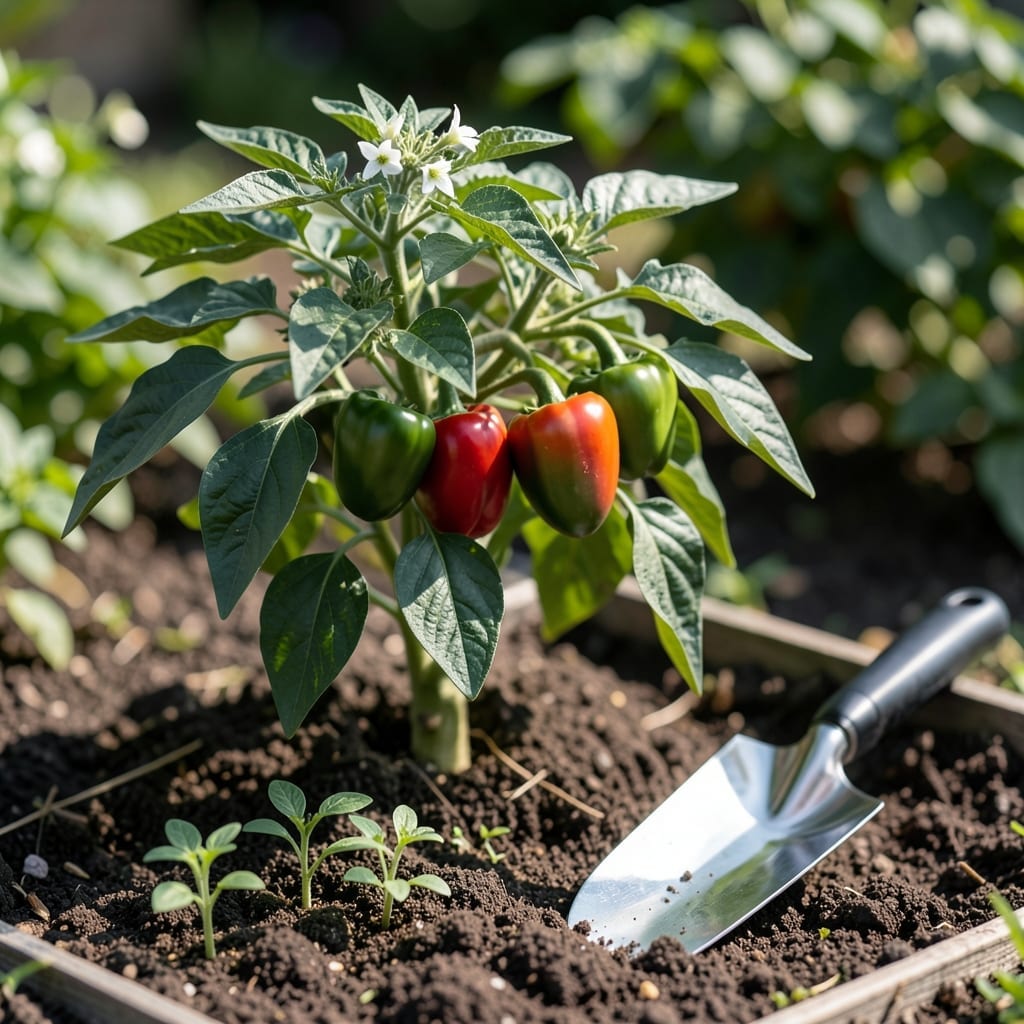
Timing is everything when growing Peppers in New Jersey. Plant too early and frost will kill your seedlings; plant too late and you’ll miss the peak growing season.
Here’s how to get it right for a bountiful harvest. The secret lies in understanding your local climate and soil conditions.
I’ve spent years perfecting the timing for 6b-7a zones, and what I’ve learned will save you from common mistakes. Whether you’re a beginner or seasoned gardener, these insights are game-changers.
Discover the exact window to plant Peppers and watch your garden thrive like never before.
New Jersey spans USDA zones 6a to 7b, meaning last frost dates vary from April 10 to May 1. This range impacts when you can safely plant peppers outdoors.
Peppers need warm soil—at least 55°F for germination and 70°F for optimal growth. Planting too early in cold soil stunts growth or kills seedlings.
| Zone | Last Frost Date | Plant Outdoors | Soil Temp |
|---|---|---|---|
| 6a | April 10-20 | May 10-20 | 60°F+ |
| 6b | April 20-30 | May 10-15 | 60°F+ |
| 7a | April 1-10 | April 20-May 1 | 65°F+ |
| 7b | March 25-April 5 | April 15-25 | 65°F+ |
*Start seeds indoors 8-10 weeks before last frost.
In zone 6a, wait until mid-May to transplant. Zone 7b gardeners can start as early as late April. Always check local weather forecasts.
For bell peppers, aim for 70-80°F soil. Hot peppers tolerate slightly cooler temps but grow slower. Use a soil thermometer to confirm conditions.
I recommend black plastic mulch to warm soil faster. This trick helps in cooler NJ zones where spring nights stay chilly.
If starting seeds indoors, use grow lights for 14-16 hours daily. Seedlings need consistent light to avoid leggy growth.
Transplant on a cloudy day or in late afternoon to reduce shock. Water thoroughly after planting to settle the soil.
Watch for late spring frosts. Even in zone 7b, a surprise cold snap can damage young plants. Keep frost cloth handy.
Peppers thrive in full sun with 6-8 hours of direct light. In NJ’s humid summers, ensure good air circulation to prevent fungal issues.
With proper timing, you’ll enjoy peppers from July through October. The key is patience—wait for warm soil and stable temperatures.
I’ve found that container gardening works well for NJ gardeners with limited space. Just ensure pots are at least 12 inches deep. ☀️
Starting pepper seeds indoors gives you a head start in New Jersey’s unpredictable spring. I recommend beginning 8-10 weeks before your last frost date, which is around April 15 for most of the state.
Use seed trays or small pots with well-draining soil and keep them in a warm spot. A heat mat can help maintain the 70°F soil temperature peppers love for germination.
✅ Step-by-Step Indoor Starting:
Once seedlings sprout, move them under grow lights or to a south-facing window for 12-16 hours of light daily. This prevents leggy, weak plants.
When true leaves appear, it’s time to harden off your seedlings. I slowly introduce them to outdoor conditions over 7-10 days before transplanting.
Transplant outdoors only after nighttime temps stay above 55°F. In NJ, this is usually mid-May. Use black plastic mulch to warm soil faster.
Remember, pepper plants hate cold. Even a light frost can set them back weeks. I always check the 10-day forecast before moving plants outside.
With this approach, you’ll enjoy earlier harvests and stronger plants that resist pests better 🌱