
Beautiful Plants For Your Interior
Beautiful Plants For Your Interior
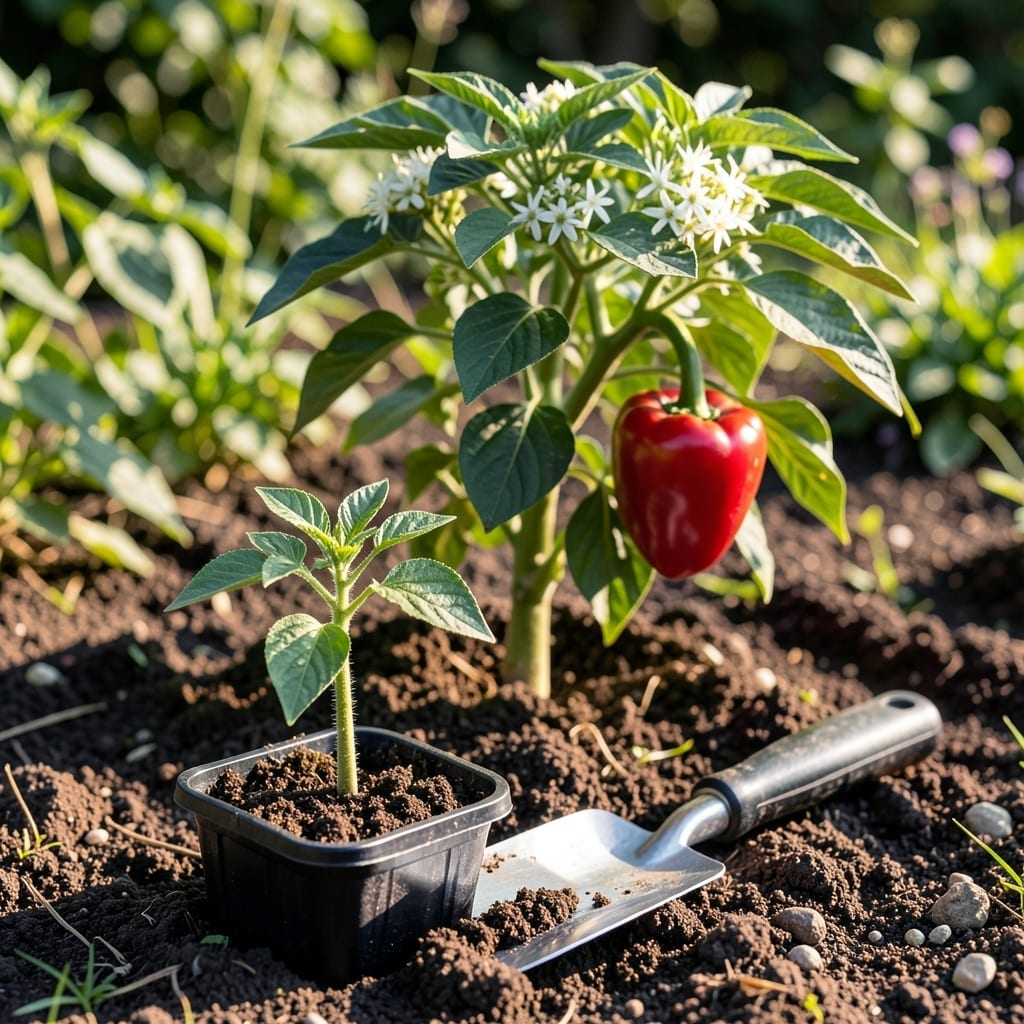
Timing is everything when growing 🌶️ Pepper in Nebraska—start too early and frost will kill your seedlings, wait too long and you’ll miss the season. I’ve learned the hard way that a few days can make all the difference.
In zones 5b-6a, the window is tight but predictable. You need to balance warm soil with the risk of late frosts. It’s a delicate dance, but one that pays off with a bumper crop.
Discover the exact timing that works for Nebraska’s climate. From starting seeds indoors to transplanting outside, every step matters to ensure your plants thrive.
Let me walk you through the most important factors for success. With the right approach, you’ll be harvesting fresh peppers all summer long.
Timing your pepper planting in Nebraska depends heavily on your USDA zone. In zones 5b-6a, the last frost typically hits between April 20 and May 10, but soil warmth is the real decider. I always wait until soil temps reach 60°F before transplanting. 🌱
Different pepper varieties have unique needs. Bell peppers need warmer soil than jalapeños, which can tolerate slightly cooler conditions. Knowing these nuances helps avoid stunted growth or poor yields.
| Variety | Zone 5b Start Indoors | Transplant Outdoors | Soil Temp Requirement |
|---|---|---|---|
| Bell Peppers | Early March | Mid-May | 70°F+ |
| Jalapeños | Mid-March | Early May | 65°F+ |
| Banana Peppers | Early March | Mid-May | 65°F+ |
| Habaneros | Late February | Late May | 75°F+ |
Starting pepper seeds indoors is non-negotiable in Nebraska. I begin 8-10 weeks before the last frost date to give seedlings enough time to develop strong roots. Use a heat mat to maintain consistent soil warmth for germination.
Hardening off is critical. About 1-2 weeks before transplanting, I gradually expose seedlings to outdoor conditions. This prevents transplant shock and ensures they adapt well to Nebraska’s unpredictable spring weather. ☀️
For zone 4 areas in Nebraska, adjust your timeline by 1-2 weeks later. The growing season is shorter, so starting seeds indoors even earlier can help maximize your harvest window.
Soil preparation can’t be overlooked. I amend my garden beds with compost and ensure the soil is well-draining. Peppers hate soggy roots, so good drainage is key to preventing rot. 🌿
Monitoring soil temperature is a game-changer. I use a simple soil thermometer to check temps at a 4-inch depth. If it’s below 60°F, I wait to transplant, no matter how eager I am.
In urban areas like Omaha or Lincoln, microclimates can vary. I’ve found that raised beds warm up faster in spring, giving me a slight head start on planting. This can be especially useful for heat-loving varieties like habaneros.
Finally, always have a frost protection plan. Even in late May, Nebraska can surprise you with a cold snap. Keeping row covers or cloches on hand ensures your peppers stay safe during those critical early weeks.
Nebraska’s unpredictable spring weather can wreak havoc on young pepper plants. Even after the last frost date, a sudden cold snap can stunt growth or kill tender seedlings. I’ve lost count of how many times I’ve rushed to cover plants overnight.
Fortunately, a few simple protections can save your crop. Row covers, cloches, and even DIY solutions like milk jugs work wonders. Urban gardeners can leverage containers to move plants indoors when needed.
The best defense is often a layered approach. Combine row covers with mulch for extra insulation. I’ve found that black plastic mulch works exceptionally well in Nebraska’s climate.
For container gardeners, the solution is even simpler. Keep your peppers in pots until nighttime temperatures consistently stay above 50°F. This gives you the flexibility to move them as needed.
Remember that pepper plants are tropical by nature. They thrive in warmth and suffer in cold. A little extra effort in the early season pays off with stronger, more productive plants.
Don’t let a late frost derail your pepper crop. With these proven strategies, you can extend your growing season and enjoy healthier plants all summer long. ☀️