
Beautiful Plants For Your Interior
Beautiful Plants For Your Interior
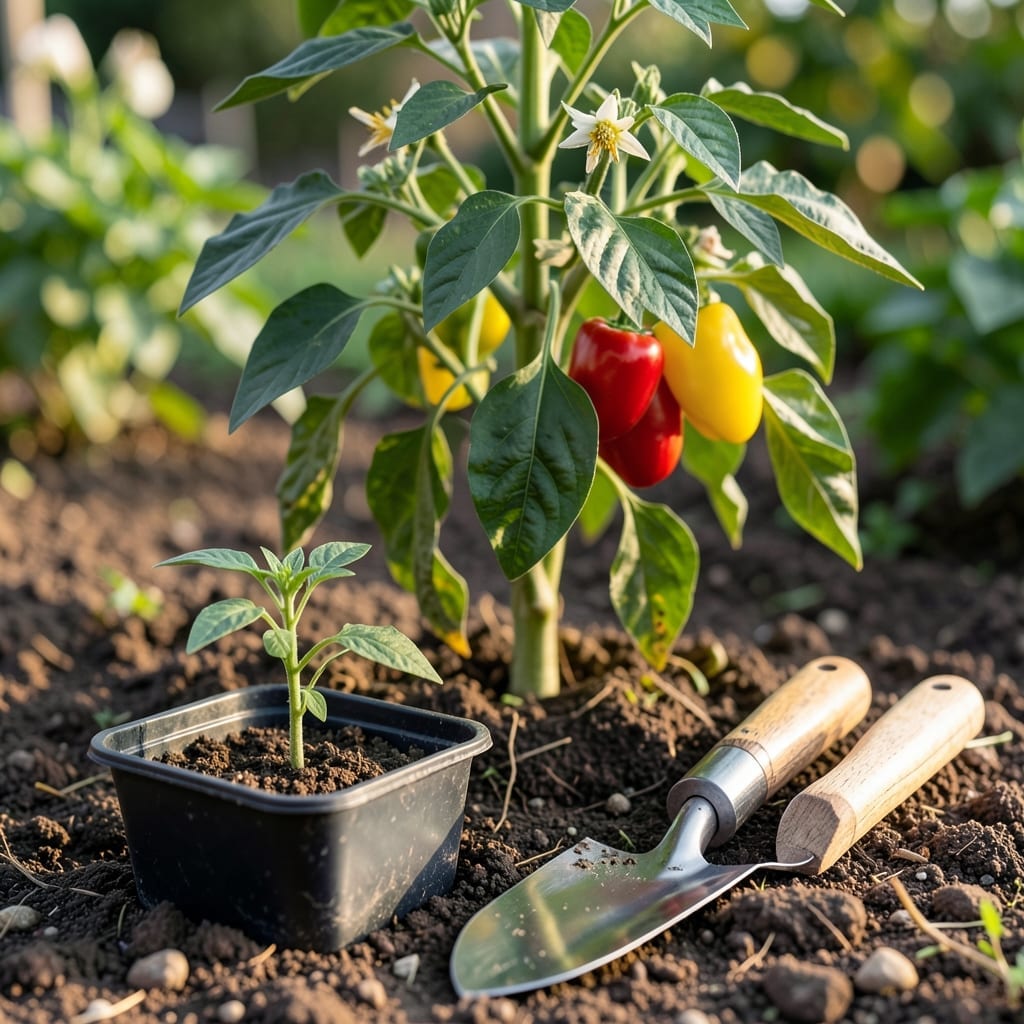
Timing is everything when it comes to growing 🌶️ Pepper in Houston’s unique climate. Plant too early, and a late frost could wipe out your crop.
Plant too late, and the summer heat might stunt their growth. Getting it right means the difference between a bountiful harvest and disappointment.
Houston’s 9a zone gives us a long growing season, but peppers need specific conditions to thrive. I’ll help you nail the perfect window.
Discover when to start seeds, when to transplant, and how to time it all for the biggest, healthiest peppers possible.
Houston’s USDA Zone 9a climate gives us a long growing season, but timing is key for peppers. I’ve found that starting bell peppers in late February works best, while jalapeños thrive when planted in early March. 🌱
For habaneros and other hot varieties, mid-March to early April is ideal. These peppers need warmer soil (at least 70°F) to germinate properly, which Houston’s spring sun delivers perfectly. 🌿
| Variety | Spring Planting | Fall Planting | Days to Maturity |
|---|---|---|---|
| Bell Peppers | Late Feb – Early March | Late Aug – Early Sept | 70-85 days |
| Jalapeños | Early – Mid March | Early Sept | 70-80 days |
| Habaneros | Mid March – Early April | Not Recommended | 90-120 days |
| Cayenne | Early March | Early Sept | 70-80 days |
Fall planting is often overlooked, but it’s a game-changer for Houston gardeners. Bell peppers and jalapeños can be sown in late August for a second harvest before winter. The milder fall temps reduce heat stress on plants. ✂️
Remember, soil temperature is more important than air temperature. I use a soil thermometer to check that it’s consistently above 60°F before planting. Houston’s last average frost is February 15, but we often get warm spells earlier.
For transplants, start seeds indoors 8-10 weeks before your planned outdoor date. This gives them a strong root system before facing Houston’s humidity and potential pests. I’ve had great success with this method for early harvests. 🌳
Container gardening works wonderfully for peppers in Houston. Use 5-gallon pots with well-draining soil, and place them where they’ll get 6-8 hours of sun daily. This is especially useful if you’re dealing with poor native soil.
If you’re new to Houston gardening, start with easier varieties like bell peppers or banana peppers. They’re more forgiving of our unpredictable weather swings. Save the super-hot peppers for when you’ve got more experience under your belt.
Don’t forget to harden off your seedlings before transplanting. Houston’s sun can be intense, even in spring. I gradually introduce my plants to outdoor conditions over 7-10 days to prevent transplant shock. 💧
Finally, keep an eye on the weather forecast. Houston can surprise us with late cold snaps or early heatwaves. Being flexible with your planting dates and having row covers ready can save your pepper crop from unexpected weather events.
Houston’s humid subtropical climate means peppers need careful timing. The last frost date is around February 15, but soil temps must hit 60°F for seeds to germinate properly.
I always check soil temperature with a thermometer before planting. If it’s below 70°F, I wait or use black plastic mulch to warm the soil faster.
Houston’s high humidity can lead to fungal issues, so I space plants 18-24 inches apart for airflow. Drip irrigation keeps foliage dry, reducing disease risk.
For fall planting, I start seeds in July for a second harvest. The key is avoiding peak summer heat above 90°F, which can cause blossom drop.
If you’re in a warmer microclimate near downtown, you might plant 2-3 weeks earlier. Always observe your specific area’s conditions rather than relying solely on general dates.
I’ve found jalapeños and bell peppers do best with this timing, while habaneros need extra warmth. Adjust based on your variety’s specific needs for the best results.
☀️