
Beautiful Plants For Your Interior
Beautiful Plants For Your Interior
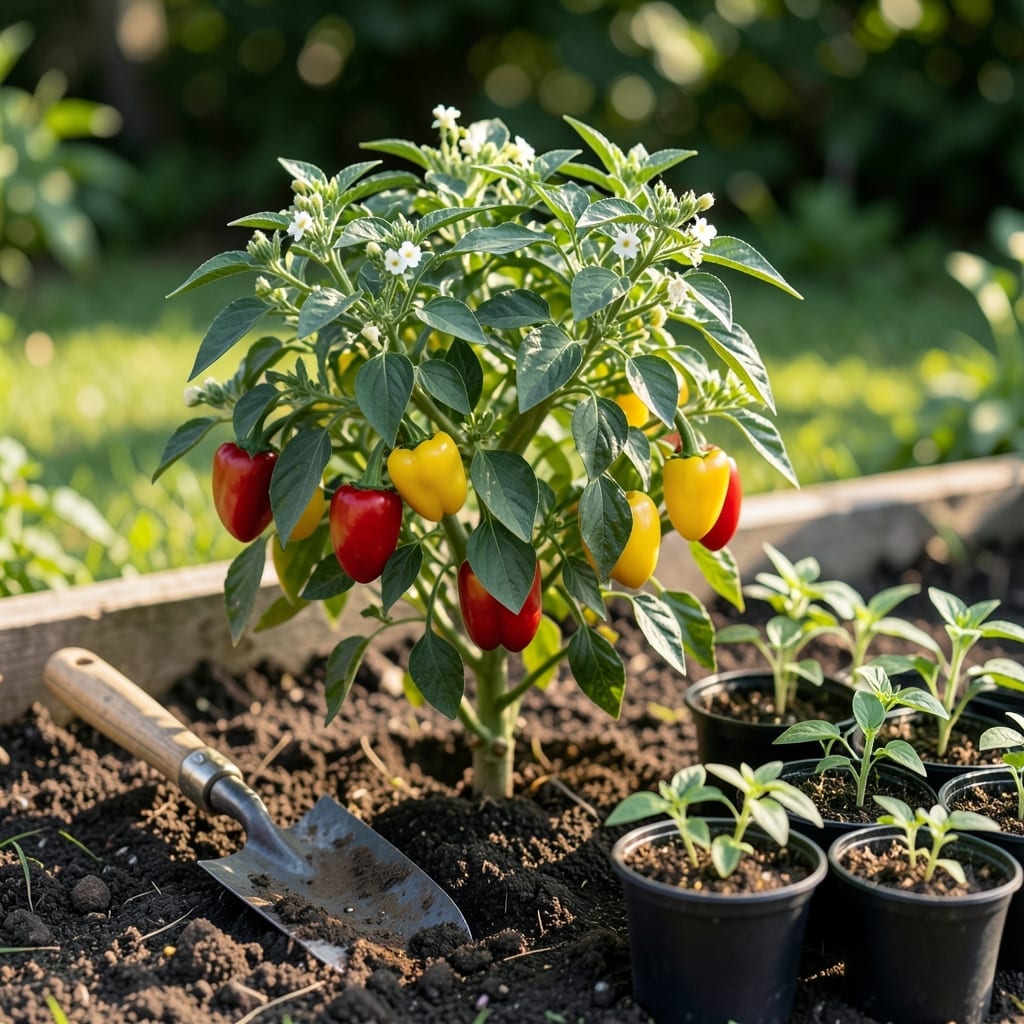
Timing is everything when planting 🌶️ Pepper in Connecticut’s Zone 6a climate. Start too early, and frost will kill your seedlings. Plant too late, and you’ll miss the prime growing season.
As a gardener in CT, I’ve learned that getting the timing right makes all the difference. The window is narrower than you might think, and the stakes are high for your harvest.
Let me share the game-changer insights I’ve gathered through trial and error. These tips will help you avoid the common pitfalls that many Connecticut gardeners face.
Discover the perfect planting window to ensure your 🌶️ Pepper plants thrive and produce a bumper crop from July through October.
Connecticut’s Zone 6 climate means peppers need precise timing. The last frost date is typically May 15, but inland areas may see frost a week later. I always check local forecasts to confirm. Soil temperature is just as critical as air temperature.
Peppers thrive when soil reaches 70-80°F. In CT, this usually happens 2-3 weeks after the last frost. Starting seeds indoors 8-10 weeks before the last frost gives them a head start. This timing ensures strong seedlings ready for transplanting. ☀️
| Stage | Timing | Notes |
|---|---|---|
| Start Seeds Indoors | Mid-March | 8-10 weeks before last frost |
| Hardening Off | Early May | 1 week before transplanting |
| Transplant Outdoors | Late May | 2-3 weeks after last frost |
| Soil Temp | 70-80°F | Use black plastic mulch to warm soil |
I’ve found that coastal CT areas can plant peppers 1-2 weeks earlier than inland due to milder temperatures. The ocean’s influence moderates frost risk, but always verify with a soil thermometer. It’s a small investment for big returns.
For inland gardens, waiting until early June is safer. This extra caution prevents cold shock to tender pepper plants. I learned this the hard way after losing an entire crop to a late May frost one year.
Peppers need full sun and well-draining soil. I prepare my beds by adding compost and testing pH levels (aim for 6.0-6.8). This ensures nutrients are available when the plants need them most. 🌱
If you’re eager to start earlier, row covers or cloches can protect seedlings from unexpected cold snaps. These tools extend the season by 2-4 weeks in spring and fall. I use them every year for an earlier harvest.
Remember, pepper varieties matter. Some, like ‘Early Jalapeño’, mature in 60 days, while others need 90 days. Choose based on CT’s 150-day growing season to maximize success.
I also recommend mulching with straw or shredded leaves to retain moisture and suppress weeds. This simple step keeps soil temperatures stable, which peppers love. It’s a game-changer for busy gardeners. ✂️
Finally, water consistently but avoid soggy soil. Peppers prefer 1-2 inches of water per week. I water in the early morning to reduce evaporation and prevent fungal issues. This routine keeps my plants thriving all season.
Connecticut’s short growing season can be tricky for peppers, but I’ve found that a few simple strategies make a huge difference. Black plastic mulch is my go-to for warming soil faster in spring. It absorbs heat and speeds up germination by 2-3 weeks. ✂️
Another game-changer is using row covers early in the season. They protect seedlings from unexpected late frosts while still allowing sunlight and water through. I’ve saved countless pepper plants this way. 🌱
For coastal areas of CT, you can often plant peppers 1-2 weeks earlier than inland due to milder conditions. I always check my local frost dates to fine-tune my planting schedule. The difference can be significant. ☀️
If you’re eager to get a head start, container gardening is a great option. Peppers grow well in pots, and you can move them indoors if a cold snap is forecasted. Just ensure your containers have good drainage. 🪴
I’ve also had success with succession planting. By starting a new batch of pepper seeds every 2-3 weeks, I extend my harvest well into fall. This works especially well with smaller varieties. 🌿
Finally, don’t forget to harden off your seedlings before transplanting. I gradually expose them to outdoor conditions over 7-10 days. This reduces shock and gives them the best chance to thrive in CT’s climate. 🌡️