
Beautiful Plants For Your Interior
Beautiful Plants For Your Interior
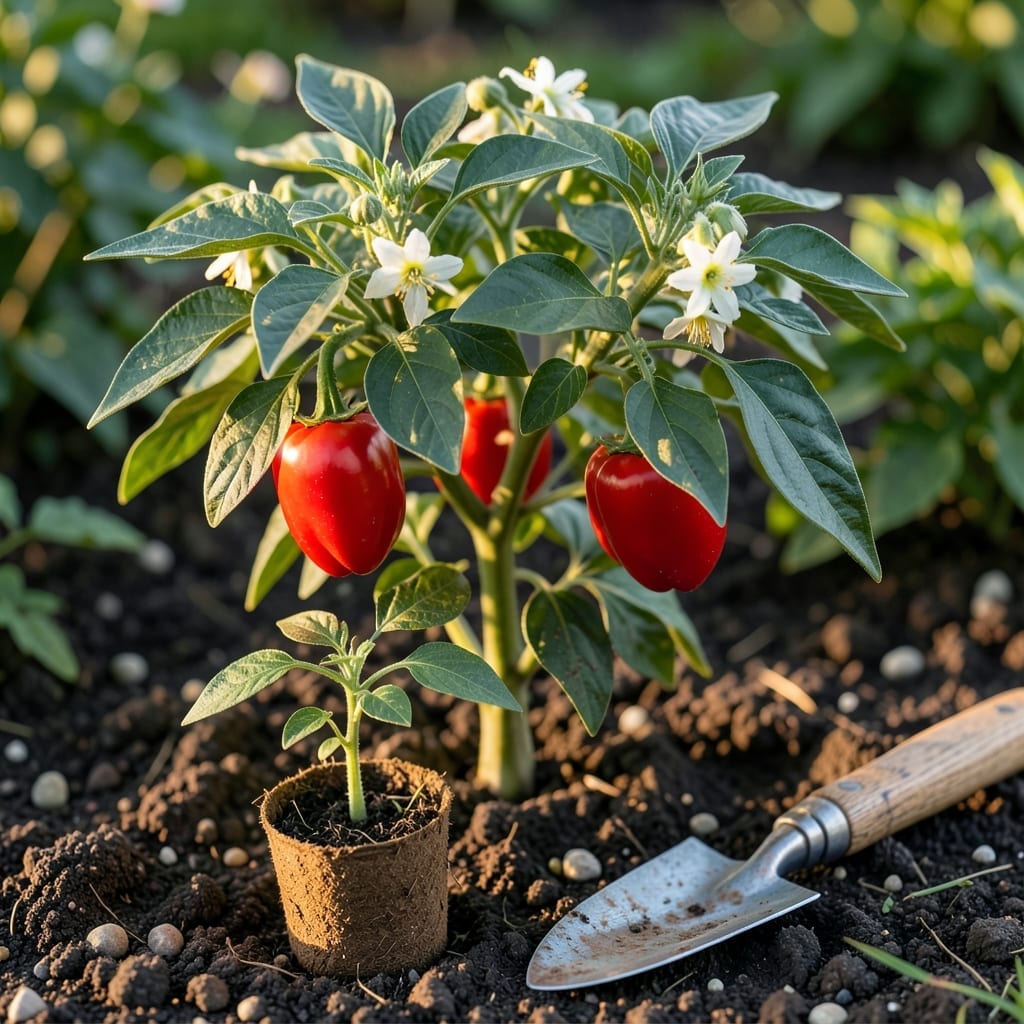
Growing 🌶️ Pepper in Central Florida’s warm climate can yield a bumper crop—but timing is everything. Plant too early or too late, and you risk heat stress, pests, or poor yields.
As a Zone 9b gardener, you have a unique advantage with our long growing season. But this also means you need to be strategic about when to get those Pepper plants in the ground.
I’ve learned through trial and error that timing your planting right can make all the difference. Whether you’re starting seeds indoors or transplanting seedlings, getting it right means more abundant harvests.
Discover the exact windows that work best for our region, and why they matter so much for your Pepper plants’ success.
Central Florida’s Zone 9 climate offers a long growing season, but pepper plants need careful timing to thrive. I’ve found that starting too early risks cold snaps, while late planting leads to heat stress. The key is aligning with our frost-free dates and heat tolerance windows. ☀️
For bell peppers and jalapeños, I recommend starting seeds indoors in January for an early harvest. Transplant seedlings outdoors after February 15, our average last frost date. This gives plants time to establish before summer heat kicks in. 🌱
| Stage | Best Time | Notes |
|---|---|---|
| Start Seeds Indoors | January | 8-10 weeks before last frost |
| Transplant Seedlings | Mid-February to March | After last frost date passes |
| Direct Sow | March to April | Soil temp must be above 60°F |
| Fall Planting | August to September | For winter harvest in Zone 9 |
I’ve had great success with fall planting in August for a winter harvest. The cooler temperatures reduce pest pressure and allow peppers to mature slowly. Just ensure plants are established before December’s potential cold snaps. 🌿
For direct sowing, wait until soil temperatures reach at least 60°F. In Central Florida, this usually happens by mid-March. I use a soil thermometer to check—it’s a game-changer for timing. 🌡️
Remember that heat-tolerant varieties like Caribbean Red or Jalapeño M handle our summer heat better. I’ve noticed these perform well even when planted slightly later, up to early April. ✂️
If you’re new to gardening in Central Florida, I recommend starting with transplants from a local nursery. They’re already acclimated to our humidity and soil conditions, giving you a head start on the growing season. 🪴
For container gardening, the same timing applies, but watch for soil drying out faster in pots. I water my potted peppers every 2-3 days in summer and use mulch to retain moisture. 💧
Finally, keep an eye on weather forecasts. A surprise cold front in February can set back young plants. I always have frost cloth on hand just in case. Central Florida’s mild winters are a blessing, but it’s smart to be prepared.
Central Florida’s humidity and heat affect different pepper varieties in unique ways. I’ve learned that bell peppers prefer slightly cooler temperatures than jalapeños or habaneros, which thrive in our summer heat. ☀️
For sweet bell peppers, I stick to early spring planting in February or March. They struggle in extreme heat, so getting them established before summer is key. Jalapeños and serranos handle heat better and can be planted through April. 🌱
| Variety | Heat Tolerance | Best Planting Window |
|---|---|---|
| Bell Peppers | Moderate | Feb-March |
| Jalapeños | High | March-April |
| Habaneros | Very High | March-May |
| Banana Peppers | High | Feb-April |
For habaneros and other super-hot varieties, I wait until late March or April. They love the heat and actually produce more capsaicin in hotter conditions. Just ensure they get consistent moisture to prevent bitter flavors. 🌿
If you’re growing container peppers, cherry peppers and Thai chilis do exceptionally well. Their compact size and high heat tolerance make them perfect for Florida patios. I’ve had great success with these in 5-gallon pots. 🪴
Pro tip: For fall planting, jalapeños and cayennes are your best bet. They’ll produce a second harvest before winter sets in. Just start seeds in July for August transplanting. ✂️
Remember that mulching is crucial for all varieties in our hot climate. It keeps soil temperatures stable and reduces water evaporation. I use straw mulch for best results. 💧