
Beautiful Plants For Your Interior
Beautiful Plants For Your Interior
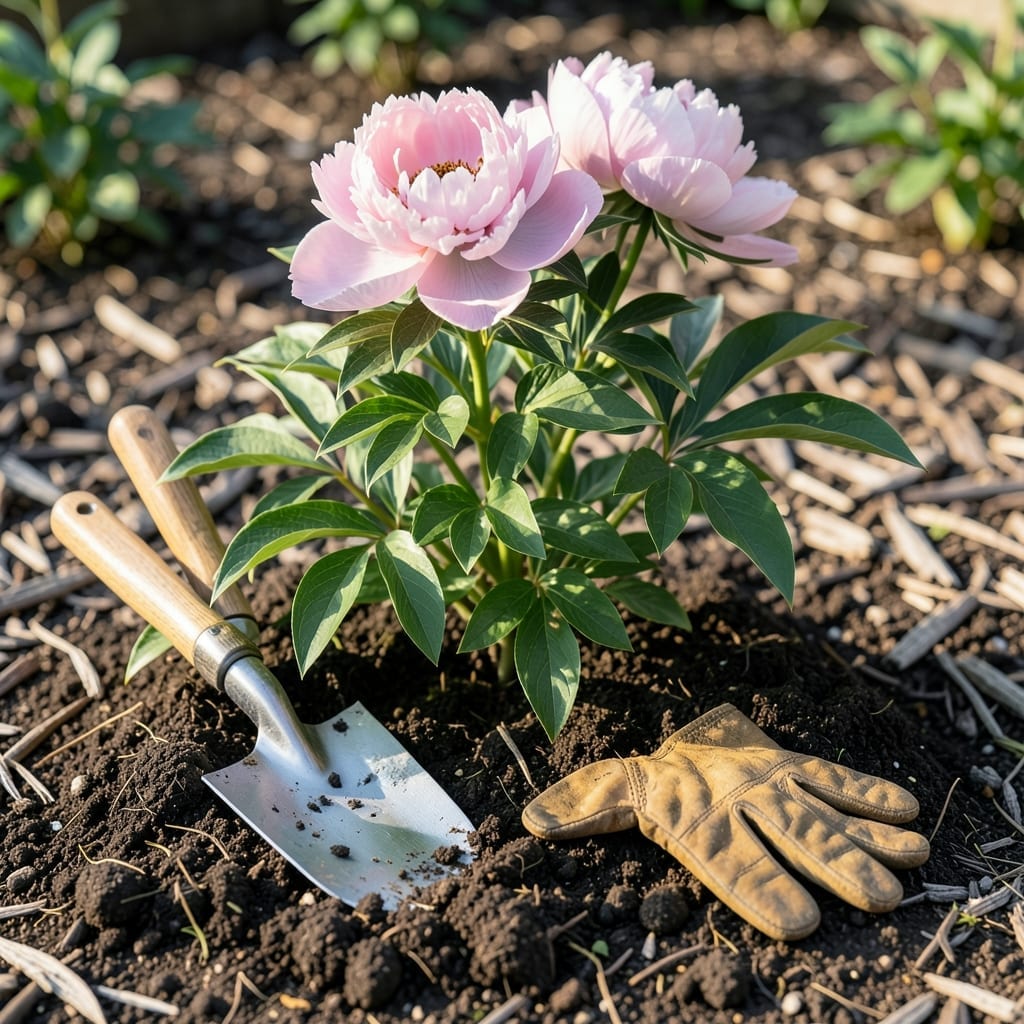
Timing is everything when planting Peonies in North Texas. Get it right, and you’ll be rewarded with stunning blooms for years to come.
Unlike many perennials, the 🌸 Peony thrives when planted in the fall, giving its roots a head start before summer’s heat. North Texas’s unique climate demands careful timing to ensure success.
I’ve learned through experience that planting too early or too late can make all the difference. The window is narrow, but the payoff is breathtaking.
Let me walk you through the ideal fall timing, why it works, and how to set your Peonies up for a spectacular spring display.
In North Texas, the ideal window for planting peonies is from early September through early November. This timing allows roots to establish before winter dormancy while avoiding summer’s extreme heat.
Our USDA zones 7b-8a experience hot summers and mild winters, making fall planting crucial. The soil temperature stays warm enough for root growth but cool enough to prevent stress.
| Planting Factor | North Texas Specification |
|---|---|
| Best Months | October-November |
| Soil Temp | 60-70°F |
| Sun Needs | Full sun to light shade |
| Planting Depth | 1-2 inches deep |
I always recommend bare-root peonies for North Texas gardeners. These should be planted 6-8 weeks before the first hard frost, which typically hits around mid-November in our region.
The root establishment period is critical. When planted in fall, peonies develop a strong root system over winter, leading to more vibrant blooms the following spring.
Our clay-heavy soils need special attention. I suggest amending with compost and sand to improve drainage, as peonies despise waterlogged roots.
Remember that late planting risks winter heaving, where freeze-thaw cycles can push new plants out of the ground. This is especially common in our unpredictable Texas winters.
For container-grown peonies, the rules are slightly different. These can be planted in early spring, but fall remains the preferred time for best results.
I’ve found that morning sun with afternoon shade works best in our intense Texas climate. This protects the delicate blooms from scorching during peak heat.
The first year after planting, don’t expect many flowers. Peonies often take a season to settle in, but the wait is worth it for those gorgeous, fragrant blooms in years to come. 🌷
Planting peonies in North Texas at the wrong time can set you up for disappointment. Many gardeners rush to plant in spring or wait too late into winter, missing the ideal fall window for root establishment. Avoid this by sticking to September through early November planting. 🌱
Another frequent error is planting too shallow. Peony roots need to be 1-2 inches below the soil surface to thrive. If the eyes (buds) are exposed, your plants may struggle to bloom or survive Texas heat. Always double-check your depth before backfilling. 🌿
Avoid poorly drained soil at all costs. Peonies hate wet feet—choose a spot with well-draining soil and partial afternoon shade to protect from intense Texas sun.
Choosing the wrong location can also spell trouble. In North Texas, full morning sun with afternoon shade is ideal. This protects plants from the harsh afternoon heat while ensuring they get enough light to produce stunning blooms. ✂️
Skipping soil preparation is another common misstep. Peonies thrive in fertile, slightly acidic soil (pH 6.5-7.0). Amend your planting area with compost or well-rotted manure to give your peonies the best start in Texas clay. 💧
Don’t overlook mulching after planting. A 2-3 inch layer of organic mulch helps retain moisture and regulates soil temperature. This is especially important in North Texas, where temperature swings can stress new plantings. 🌡️
Finally, resist the urge to overwater your newly planted peonies. While they need consistent moisture to establish roots, soggy soil can lead to rot. Water deeply once a week unless rainfall provides an inch of water. ☀️