
Beautiful Plants For Your Interior
Beautiful Plants For Your Interior
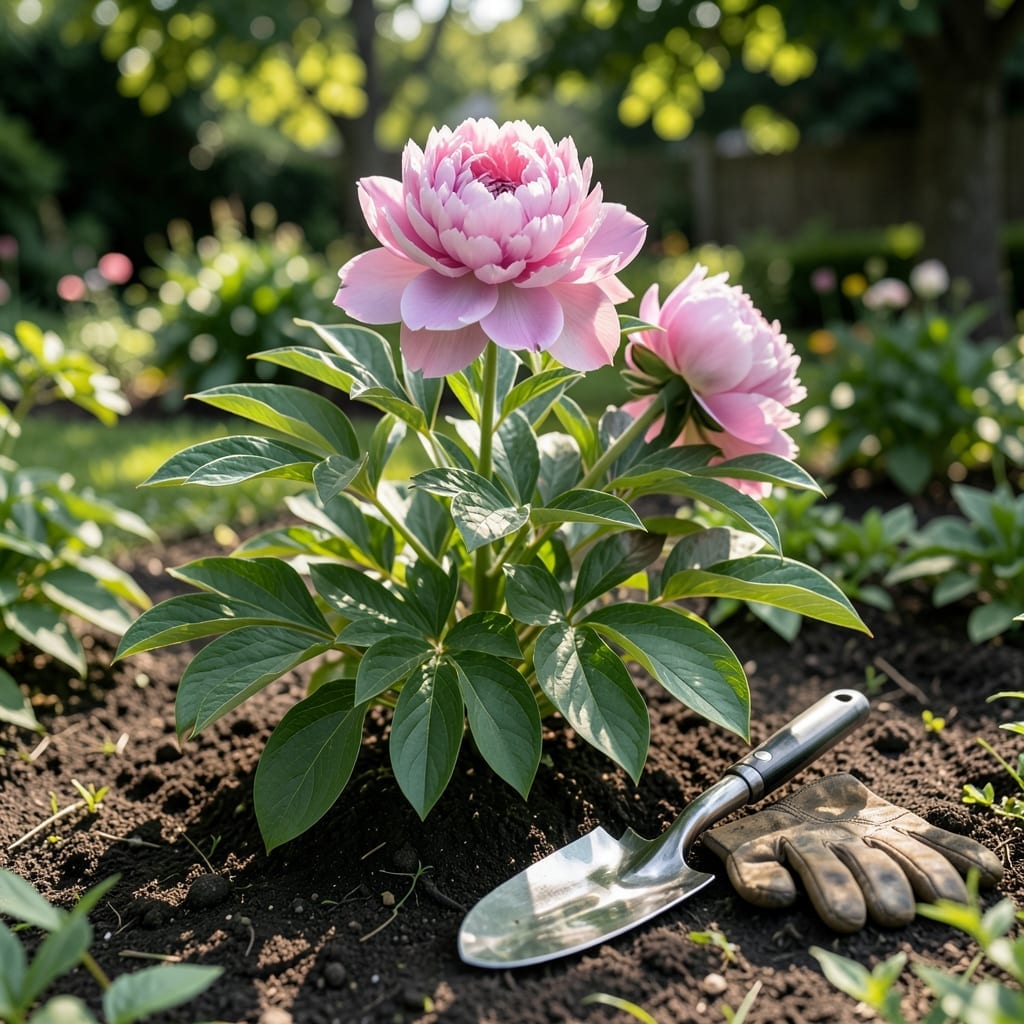
Timing is everything when planting peonies in New England—get it right and you’ll be rewarded with decades of spectacular blooms. The region’s cold winters and short growing season make fall the key window.
The 🌸 Peony thrives when planted 6-8 weeks before the first frost, giving roots time to establish. This timing works perfectly with New England’s climate, ensuring strong growth come spring.
I’ve seen gardeners struggle by planting at the wrong time, but following this simple schedule makes all the difference. Whether you’re in coastal or inland areas, the principles remain the same.
Discover how to set your peonies up for success with proper timing and preparation. Your future self will thank you when those vibrant blooms appear year after year.
Planting peonies in New England requires precise timing to thrive. The ideal window is early fall, specifically September through early October. This allows roots to establish before winter dormancy.
New England’s cold winters and short growing season make fall planting essential. The 6-8 week pre-frost period gives peonies time to develop strong root systems without the stress of summer heat. 🌱
| Requirement | Specification |
| Optimal Planting Window | September to early October |
| Time Before Frost | 6-8 weeks |
| Coastal Areas | Late September to mid-October |
| Inland Areas | Early to mid-September |
| Soil Temperature | Above 50°F (10°C) |
In coastal regions, where winters are milder, you can plant slightly later—up to mid-October. The ocean’s moderating influence delays the first frost, giving you a bit more flexibility.
For inland areas, aim for early September. These locations experience earlier frosts, so planting sooner ensures roots have adequate time to settle before the ground freezes.
Soil temperature is another critical factor. Peonies establish best when soil is above 50°F (10°C). This warmth encourages root growth while the cooler air temperatures prevent top growth, which is ideal.
I’ve found that peonies planted in this window often bloom more abundantly in their second year. The first year focuses on root development, while the second year rewards you with those luxurious blooms. 🌷
If you miss the fall window, spring planting is possible but less ideal. Spring-planted peonies often lag behind and may take an extra year to bloom. They also require more consistent watering to establish.
New England gardeners should also consider their specific microclimate. Urban areas, south-facing slopes, or spots near buildings may have slightly different conditions. Always adjust your timing based on local frost dates.
Remember, proper timing is just the first step. Combine it with good soil preparation and care, and your peonies will reward you with decades of stunning flowers. 🌿
Planting peonies in New England starts with choosing the right location. These flowers thrive in full sun and need at least 6 hours of direct sunlight daily for optimal blooms.
Soil preparation is equally important. Peonies prefer well-draining soil with a pH of 6.5-7.0. I always recommend testing your soil and amending it with compost if needed. 🌱
Planting depth is critical for peonies. If you plant too deep, you may never see blooms. The eyes (buds) on the root should be no deeper than 2 inches below the soil surface.
Spacing is another key factor. Peonies need room to grow, so I plant them 3-4 feet apart. This spacing ensures good air circulation, which helps prevent fungal diseases.
After planting, water deeply to help settle the soil and encourage root growth. In New England’s fall weather, you typically won’t need to water again unless there’s a prolonged dry spell. 🌿
Finally, add a 2-3 inch layer of organic mulch around the base. This helps retain moisture and insulate the roots as temperatures drop. Avoid piling mulch against the stems to prevent rot.