
Beautiful Plants For Your Interior
Beautiful Plants For Your Interior
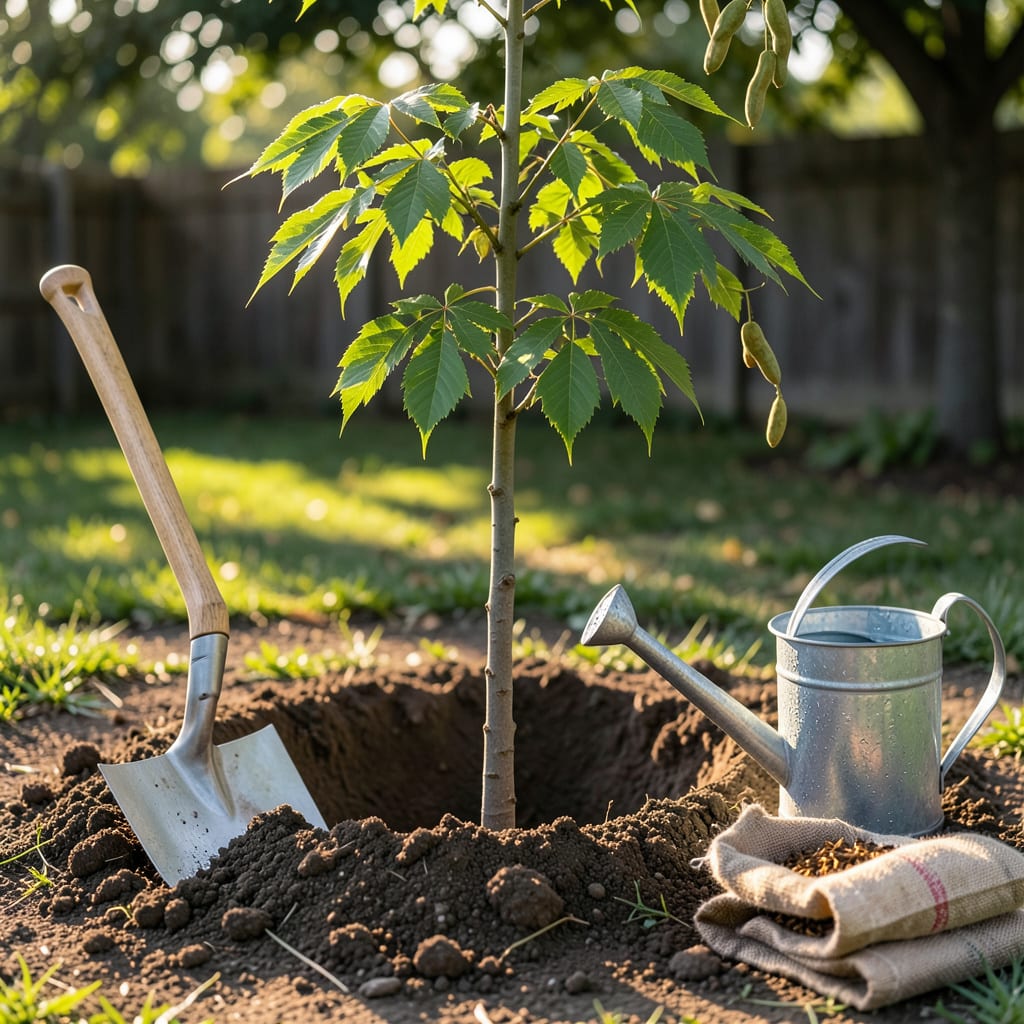
Timing isn’t just important when planting 🌰 pecan trees in Texas—it’s everything. Plant too early, and a late frost could wipe out your young saplings. Wait too long, and the brutal summer heat might stunt their growth before they even get started.
After helping dozens of Texas growers avoid these costly mistakes, I’ve nailed down the perfect planting windows for each zone. Whether you’re in the Panhandle or the Gulf Coast, I’ll show you exactly when to get those roots in the ground for decades of nut-filled harvests.
If you’re dreaming of a backyard filled with mature pecan trees dripping with nuts, timing your planting is non-negotiable. Texas spans USDA zones 6b–9a, meaning what works in Amarillo won’t fly in Houston. The golden window is late winter to early spring—when soil temps hit 60°F+ but before summer’s scorching heat arrives.
I’ve seen too many gardeners rush to plant in January’s false warmth or delay until May’s drought, only to watch their saplings struggle. The key? Zone-specific dates and soil prep. Let’s break down the exact timing for your Texas region, whether you’re in the Panhandle’s freezing winters or the Gulf Coast’s humidity.
| Texas Region | USDA Zone | Bare-Root Planting | Container-Grown | Soil Temp Goal |
|---|---|---|---|---|
| North Texas (Dallas, Fort Worth) | 7b–8a | Feb 15–Mar 15 | Mar 1–Apr 1 | 60–65°F |
| Central Texas (Austin, San Antonio) | 8a–8b | Feb 1–Mar 1 | Feb 15–Mar 15 | 62–68°F |
| East Texas (Houston, Beaumont) | 8b–9a | Jan 15–Feb 15 | Jan 30–Mar 1 | 65°F+ |
| West Texas (El Paso, Lubbock) | 7a–8a | Mar 1–Mar 30 | Mar 15–Apr 10 | 58–65°F |
| South Texas (Corpus Christi, Brownsville) | 9a | Dec 15–Jan 30 | Jan 1–Feb 15 | 68°F+ |
Notice how South Texas starts as early as December, while West Texas waits until March? That’s because last frost dates vary wildly. For example, Houston (Zone 9a) rarely sees frost after February, but Amarillo (Zone 7a) can get hit as late as April 10. Always check your local frost dates before digging!
For bare-root pecan trees, timing is even tighter. These trees must go in while dormant—typically 4–6 weeks before your last frost. Miss that window, and you risk transplant shock or poor root establishment. Container-grown trees offer more flexibility but still need cool, moist soil to thrive.
Here’s a pro tip: Test your soil temp with a meat thermometer (yes, really!). Stick it 3 inches deep at 10 AM. If it reads 60°F+ for three days straight, you’re good to plant. In clay-heavy soils (looking at you, Blackland Prairies), aim for 65°F to help roots penetrate.
Don’t forget microclimates! Urban areas like Dallas or San Antonio can be 5–10°F warmer than surrounding rural zones. If you’re in a “heat island”, you might plant 2 weeks earlier than the table suggests. Conversely, hill country gardens should lean toward the later end of the window.
If you’re planting multiple trees, stagger your timing by 7–10 days. This hedges your bets against late frosts or unexpected heatwaves. I once lost three saplings to a March freeze in Zone 8a—now I plant in two batches (early and mid-window) to spread the risk.
For young pecan trees, the first 30 days after planting are critical. Water deeply 2x/week (about 10–15 gallons per tree) and mulch with 3–4 inches of organic matter. Avoid fertilizing until you see new growth—usually 6–8 weeks post-planting. This lets roots establish without burning.
Remember, pecan trees are a long-term investment. A tree planted today won’t bear nuts for 5–7 years, but with the right timing, it could thrive for 100+ years. So grab your calendar, mark those dates, and get ready to give your pecan trees the Texas-sized head start they deserve! 🌳
Planting pecan trees in Texas isn’t just about picking the right date—it’s about avoiding common pitfalls that can doom your saplings before they even get started. After years of trial and error (and a few heartbreaking losses), I’ve narrowed it down to three deadly mistakes that even experienced gardeners make.
The biggest offender? Planting during summer droughts. Texas heat isn’t just hot—it’s relentless, and young pecan trees can’t handle the stress. I’ve seen saplings wither in June’s 100°F+ temps because their roots couldn’t keep up with moisture loss. The fix? Stick to late winter/early spring planting and never put a tree in the ground after May 1.
⚠️ Texas Pecan Planting Dangers
💡 Pro Tip: Use a shade cloth (30% density) for summer-planted trees if absolutely necessary.
Another silent killer? Ignoring Texas’s clay-heavy soil. Pecan trees need well-draining roots, but our native clay holds water like a sponge. I lost a 5-year-old tree to root rot because I skipped soil prep. The solution? Dig a hole 3x wider than the root ball and mix in 50% compost or expanded shale to break up the clay.
Here’s a mistake I see all the time: skipping the root-ball soak. Dry roots + Texas wind = a recipe for failure. Before planting, submerge your tree’s roots in water for 12–24 hours. For container-grown trees, water until the root ball is saturated but not soggy. This simple step can double survival rates in the first month.
Don’t overlook watering depth either. Shallow watering encourages weak roots, while deep soaking (to 18–24 inches) builds drought resilience. Use a soaker hose on low flow for 30–45 minutes, then check moisture at 6-inch depth. If it’s dry, water again. In West Texas, add a 4-inch mulch ring to retain moisture.
Finally, watch out for over-fertilizing young trees. I get it—you want fast growth, but too much nitrogen early on leads to weak wood and pest problems. Wait until you see 6 inches of new growth, then use a balanced 10-10-10 at half strength. In East Texas’s acidic soil, add lime to raise pH to 6.0–6.5 for optimal nutrient uptake.
Remember, pecan trees are a marathon, not a sprint. Avoid these mistakes, and you’ll set your trees up for decades of shade and nuts. Now grab your shovel—and maybe a cold drink—and get planting the right way! 🌳
Choosing between bare-root and container-grown pecan trees isn’t just about price—it’s about matching the right type to Texas’s tough conditions. After testing both methods in my own orchard, I’ve found each has clear advantages depending on your climate zone and planting timeline.
Bare-root trees are the traditional choice, and for good reason. They’re cheaper (often 30–50% less than container-grown) and develop stronger root systems when planted correctly. But here’s the catch: they must go in the ground while dormant—typically December to February in Texas. Miss that window, and you’re out of luck until next year.
💡 Texas Tip: Bare-root wins for rural orchards; container-grown excels in urban gardens with late planting.
In North and West Texas, where winters are colder, I recommend bare-root for their cost efficiency and hardiness. But if you’re in South or East Texas, where winters are mild, container-grown trees give you more flexibility. You can plant them as late as March or April without stressing about dormancy.
Here’s a lesson I learned the hard way: bare-root trees hate dry winds. In West Texas, I lost two saplings because I planted them during a dry spell without enough mulch. Now, I soak roots for 24 hours pre-planting and add a 4-inch wood chip mulch to retain moisture. For container trees, I loosen the root ball gently to prevent circling roots.
Watering differences matter too. Bare-root trees need daily deep watering for the first 2 weeks, while container-grown trees can often go 3–4 days between waterings once established. In clay-heavy soils (common in Central Texas), I amend the hole with 50% compost for bare-root and 25% perlite for container trees to improve drainage.
If you’re still unsure, ask yourself: Do I need flexibility or savings? For immediate gratification and easier planting, go container-grown. For long-term cost savings and stronger roots, bare-root is your best bet. Either way, your future self will thank you when you’re harvesting pounds of pecans in just a few years! 🌰
North Texas (Zones 7b–8a) has a shorter window (Feb 15–Mar 15) due to later frosts, while South Texas (Zone 9a) can plant as early as December 15. The soil warms faster in southern regions, allowing earlier planting.
Avoid summer planting—Texas heat stresses young trees, leading to transplant shock or failure. If absolutely necessary, use container-grown trees with shade cloth and daily deep watering.
Use a meat thermometer to check 3 inches deep at 10 AM. Ideal soil temp is 60°F+ for three consecutive days. In clay-heavy areas (like Central Texas), aim for 65°F for better root growth.
Bare-root is cheaper and best for large orchards but requires precise timing (dormant season). Container-grown costs more but offers flexibility—ideal for urban gardens or late planting. For beginners, container-grown has a higher survival rate.
Skipping the root-ball soak! Dry roots struggle in Texas winds. Soak bare-root trees for 12–24 hours pre-planting, and ensure container trees have saturated root balls. This step can double survival rates in the first month.
