
Beautiful Plants For Your Interior
Beautiful Plants For Your Interior
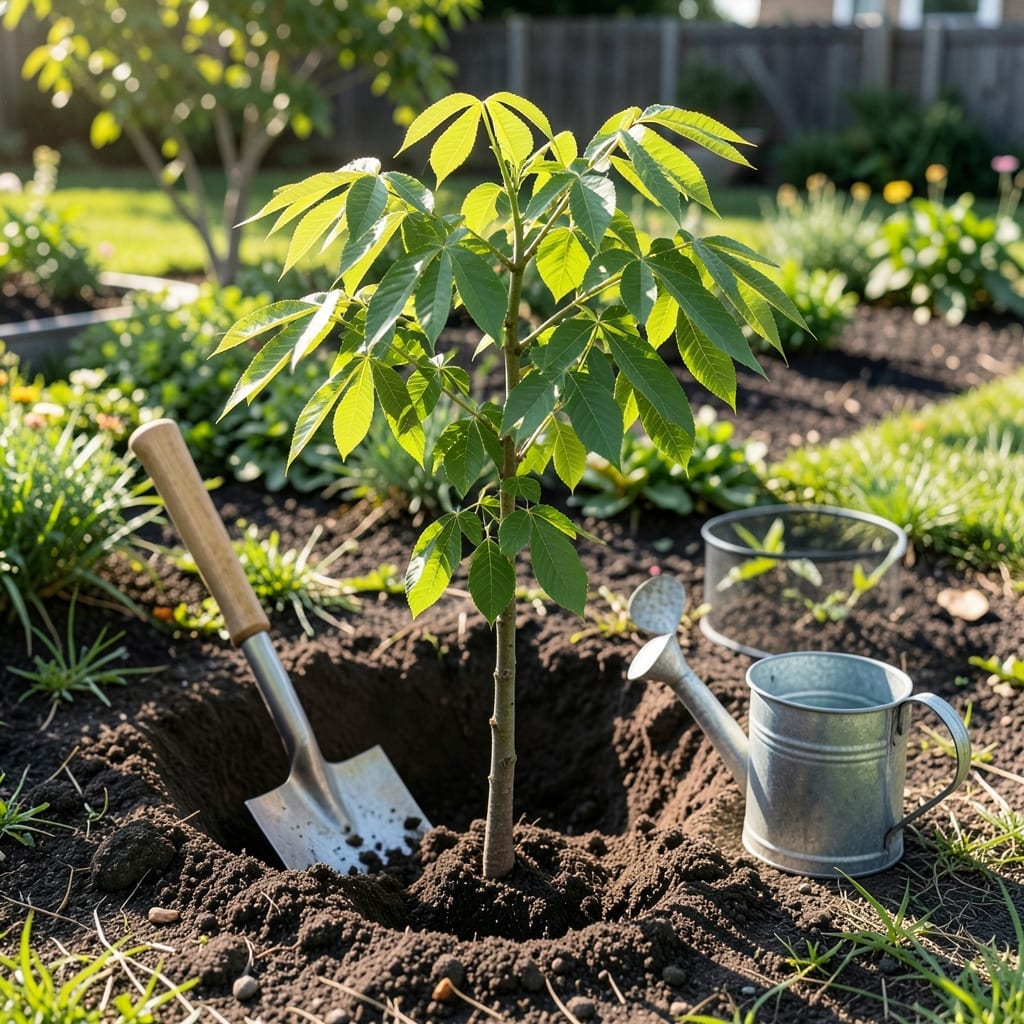
Timing is everything when planting Pecan Trees in Louisiana—plant too early or too late, and you risk stunted growth or even tree loss.
The state’s unique climate demands precision, and I’ve seen firsthand how the right timing makes all the difference. January – February offers the perfect window to establish strong roots before summer heat arrives.
Whether you’re a seasoned gardener or just starting, understanding this seasonal rhythm is the key to success. Louisiana’s 8a-9b zones thrive when you work with nature, not against it.
Let me show you how to get your 🌳 Pecan Tree off to the best start, with practical tips tailored to our local conditions.
In Louisiana, the ideal planting window for pecan trees is January to February. This late winter timing allows roots to establish before the state’s intense summer heat kicks in. I’ve found that bare-root trees planted during dormancy adapt best to our 8a-9b zones.
The soil temperature should be above 50°F for active root growth. Louisiana’s mild winters make this achievable, but avoid planting during cold snaps. Early spring can also work, but late winter is superior for strong root systems 🌱
North Louisiana gardeners should aim for late January as frosts are more common there. In South Louisiana, you can start early January since winters are milder. This regional difference is crucial for optimal growth.
Soil preparation is just as important as timing. Test your soil’s drainage and pH levels (6.0-7.0 is ideal). I always amend heavy clay soils with organic matter to improve root penetration.
Plant your pecan tree in a well-draining location with full sun exposure. The hole should be twice as wide as the root ball but no deeper. This prevents settling and ensures the root flare remains above soil level.
Watering deeply after planting helps eliminate air pockets. I recommend 1-2 inches of water per week for the first year. Mulching with 3-4 inches of organic material retains moisture and suppresses weeds.
For container-grown pecans, you have more flexibility and can plant through early March. However, bare-root trees planted in dormancy still establish faster in my experience.
Remember, Louisiana’s high humidity can lead to fungal issues. Space trees 40-60 feet apart for proper air circulation. This is especially important in the more tropical southern parishes.
Avoid planting during summer months as the heat stresses young trees. Fall planting is risky too, as roots need time to establish before winter. Stick to the late winter window for best results 🌳
Planting pecan trees in Louisiana requires careful timing and preparation. I recommend focusing on late winter to early spring for the best results, as this allows roots to establish before the summer heat kicks in.
Louisiana’s 8a-9b zones have unique needs, and proper site selection is key. Choose a spot with full sun and well-draining soil to avoid waterlogging, which can stunt growth.
Soil prep is non-negotiable in our humid climate. I always mix in organic matter to improve drainage and provide essential nutrients for young trees.
Avoid overwatering—pecans need consistent moisture but hate soggy roots. A deep soak weekly for the first year helps establish a strong root system.
Mulching is another game-changer. Apply a 3-inch layer around the base (but not touching the trunk) to retain moisture and suppress weeds.
Finally, monitor for pests like pecan weevils and aphids, which thrive in Louisiana’s warmth. Early intervention keeps your trees healthy and productive. 🌳