
Beautiful Plants For Your Interior
Beautiful Plants For Your Interior
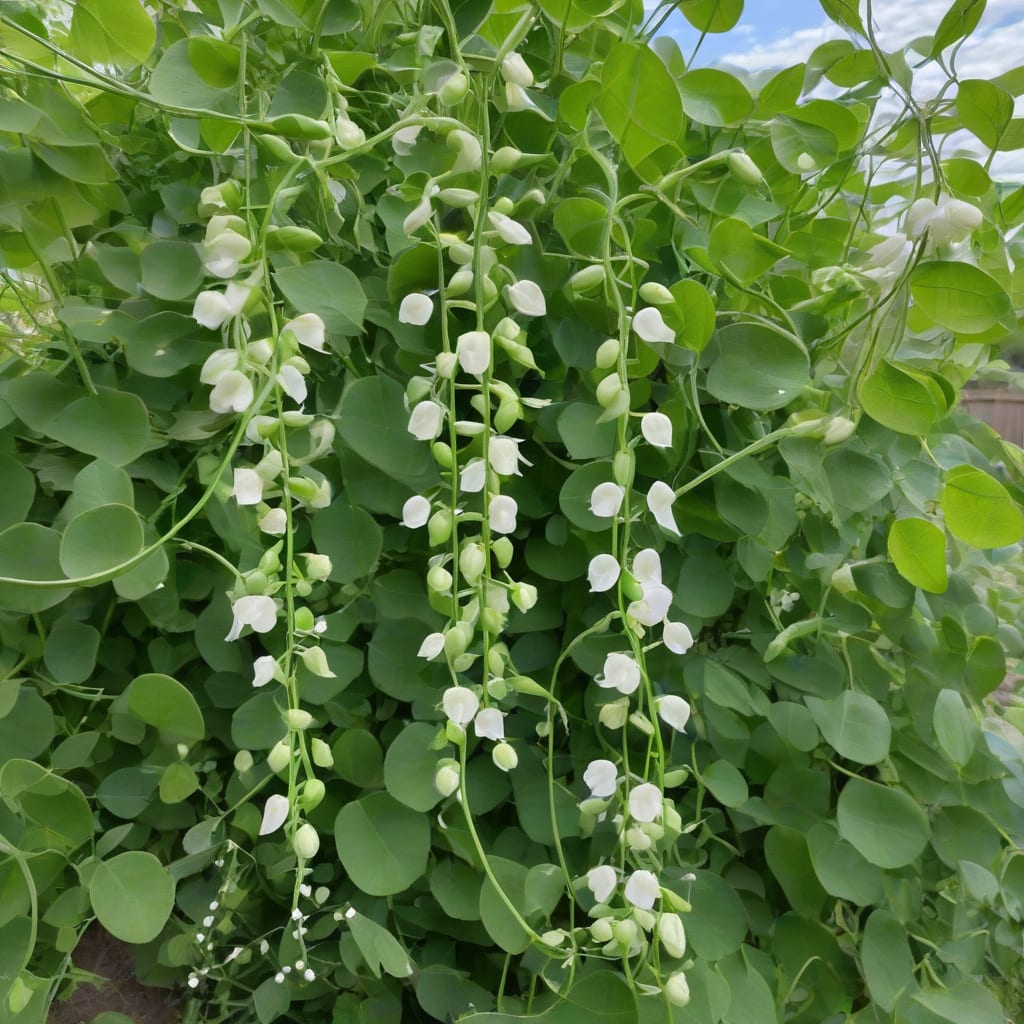
As spring approaches in Zone 7, gardeners eagerly anticipate planting their favorite pea varieties 🌱. Timing is everything when it comes to a successful harvest.
Understanding the optimal planting window is crucial for maximizing yield and avoiding common pitfalls. I’ll guide you through the best practices for planting peas in Zone 7, ensuring a bountiful harvest.
In Zone 7, the ideal time to plant peas is in late winter to early spring, typically between late February and early March. This timing allows peas to mature before the hot summer weather sets in 🌱.
Peas thrive in cooler temperatures and can tolerate some frost, making them an excellent choice for early spring planting. The soil temperature should be around 40-45°F (4-7°C) for optimal germination.
To determine the exact planting date, count back 4-6 weeks from the average last frost date in your area. For Zone 7, this is typically around April 15, so planting should occur between late February and early March.
It’s essential to check the the preparing weather conditions and adjust your planting schedule accordingly. Soil temperature and moisture levels play a crucial role in the success of your pea crop 🌟.
The ideal soil conditions for planting peas include well-draining soil that is rich in organic matter. Peas prefer a slightly acidic to neutral soil pH, учing between 6.0 and 7.0.
To ensure optimal growth, prepare your soil by incorporating compost or well-rotted manure before planting. This will provide the necessary nutrients for your pea plants to thrive.
By understanding the optimal planting time and conditions for peas in Zone 7, you can set yourself up for a successful harvest. Keep in mind that peas are a cool-season crop and will perform best when planted at the right time 🌼.
For more specific guidance tailored to your location, consider consulting local gardening experts or your county’s cooperative extension service. They can provide valuable insights into the best practices for growing peas in your area 🌱.
In addition to timing, proper spacing is crucial for healthy pea growth. Plant seeds 1-2 inches deep and 2-3 inches apart in rows that are 18-24 inches apart.
By following these guidelines and understanding the specific needs of peas in Zone 7, you’ll be well on your way to a bountiful harvest of delicious, fresh peas 🌼.
Key factors to remember: optimal planting time, soil temperature, frost tolerance, and proper spacing are all crucial for a successful pea harvest in Zone 7.
By considering these factors and preparing your garden accordingly, you’ll be able to enjoy a thriving crop of peas that will provide you with a delicious and nutritious harvest 🌟.
Preparing your garden for pea planting is crucial for a successful harvest. To start, ensure your soil is well-draining and rich in organic matter. Peas prefer a slightly acidic to neutral soil pH, ranging between 6.0 and 7.0 🌱.
To achieve the ideal soil conditions, incorporate compost or well-rotted manure into your garden bed before planting. This will provide the necessary nutrients for your pea plants to thrive. Additionally, consider testing your soil to determine its pH level and nutrient content.
By following these steps, you’ll be able to create a conducive growing environment for your pea plants.
Proper garden preparation is essential for a successful pea harvest. By preparing your soil and choosing the right companions, you’ll be well on your way to enjoying a bountiful harvest of delicious, fresh peas 🌟.
Key factors to remember: soil preparation, garden bed setup, and companion planting are all crucial for a successful pea harvest in Zone 7.
By considering these factors and preparing your garden accordingly, you’ll be able to enjoy a thriving crop of peas that will provide you with a delicious and nutritious harvest 🌱.
To maximize your pea yield in Zone 7, it’s essential to provide proper care after planting. This includes maintaining consistent moisture levels and keeping the soil well-draining 🌱.
Monitor your pea plants regularly for signs of pests or diseases, and take action promptly if necessary. Regular harvesting will also encourage your plants to produce more pods.
Common pests to watch out for include aphids, slugs, and snails. Keep an eye out for signs of infestation, such as holes in leaves or sticky residue on the plants.
To harvest your peas effectively, check your plants regularly for plump, tender pods. Pick the peas frequently to encourage continued production. Harvesting should begin around 50-70 days after planting, depending on the variety 🌱.
By following these post-planting care tips and being mindful of potential pests and diseases, you’ll be able to enjoy a bountiful harvest of delicious, fresh peas in Zone 7.
Key factors to remember: consistent moisture, proper care, and regular harvesting are all crucial for maximizing pea yield in Zone 7.
With these tips in mind, you’ll be well on your way to growing a successful crop of peas that will provide you with a delicious and nutritious harvest 🌟.
The ideal time to plant peas in Zone 7 is in late winter to early spring, typically between late February and early March. This allows peas to mature before hot summer weather sets in.
To prepare your soil, incorporate compost or well-rotted manure to improve soil fertility and structure. Peas prefer well-draining soil with a slightly acidic to neutral pH (6.0-7.0). Test your soil to determine its pH level and nutrient content.
Peas prefer consistent moisture, so water them every 3-4 days, especially during dry spells. Avoid overwatering, which can lead to root rot. Adjust your watering schedule based on weather conditions.
Peas are ready to harvest 50-70 days after planting, depending on the variety. Check for plump, tender pods and pick frequently to encourage continued production. Regular harvesting will also help prevent the plants from becoming too leggy.
